Rock of Science
Mineral Collection & Education
Rock of Science is a platform built for mineral collectors. It documents a lifetime collection with the precision it deserves. What you see is that platform in use, and it is open to everyone. It is a tool for the collector who owns it, and also a reference for anyone who visits.
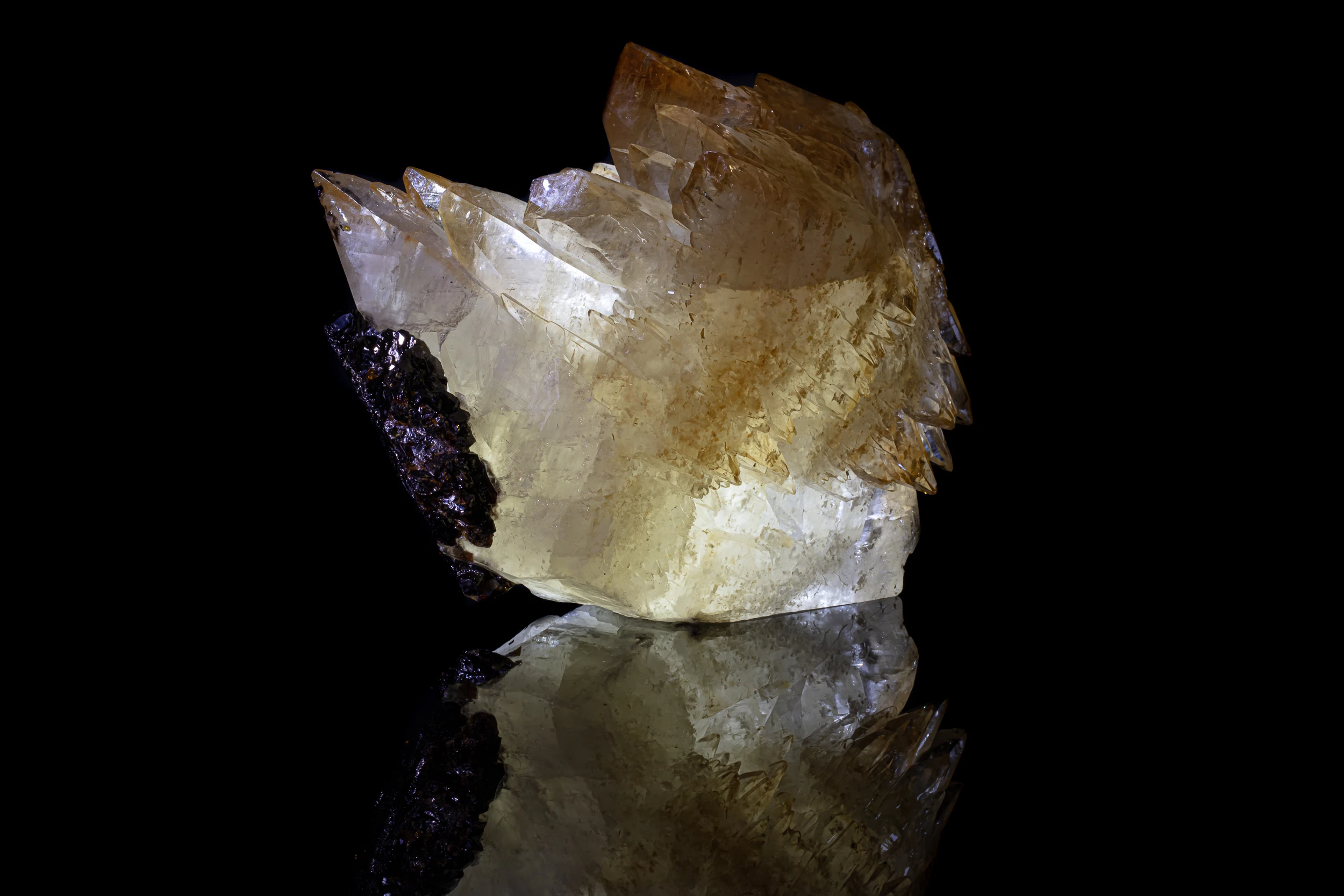
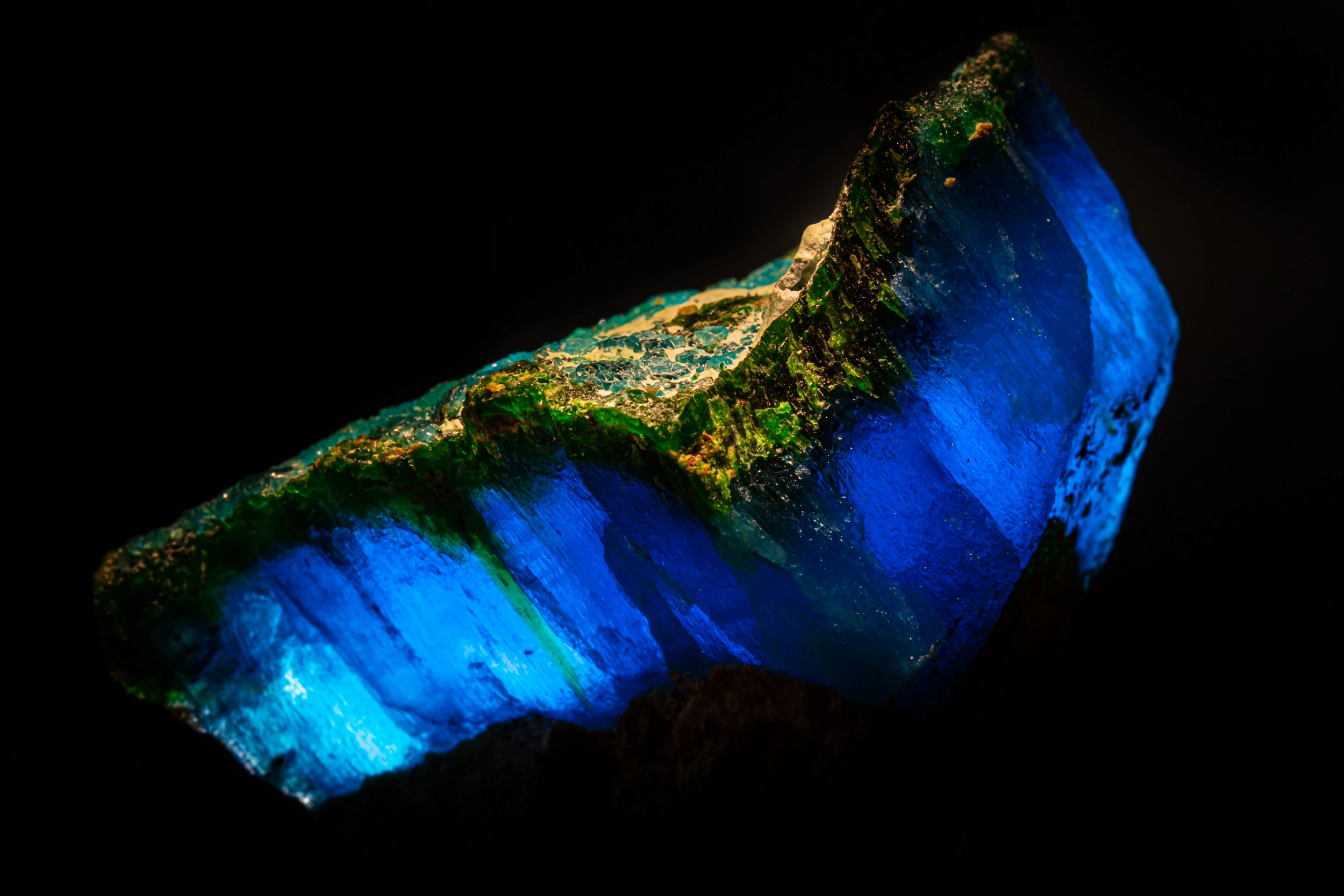
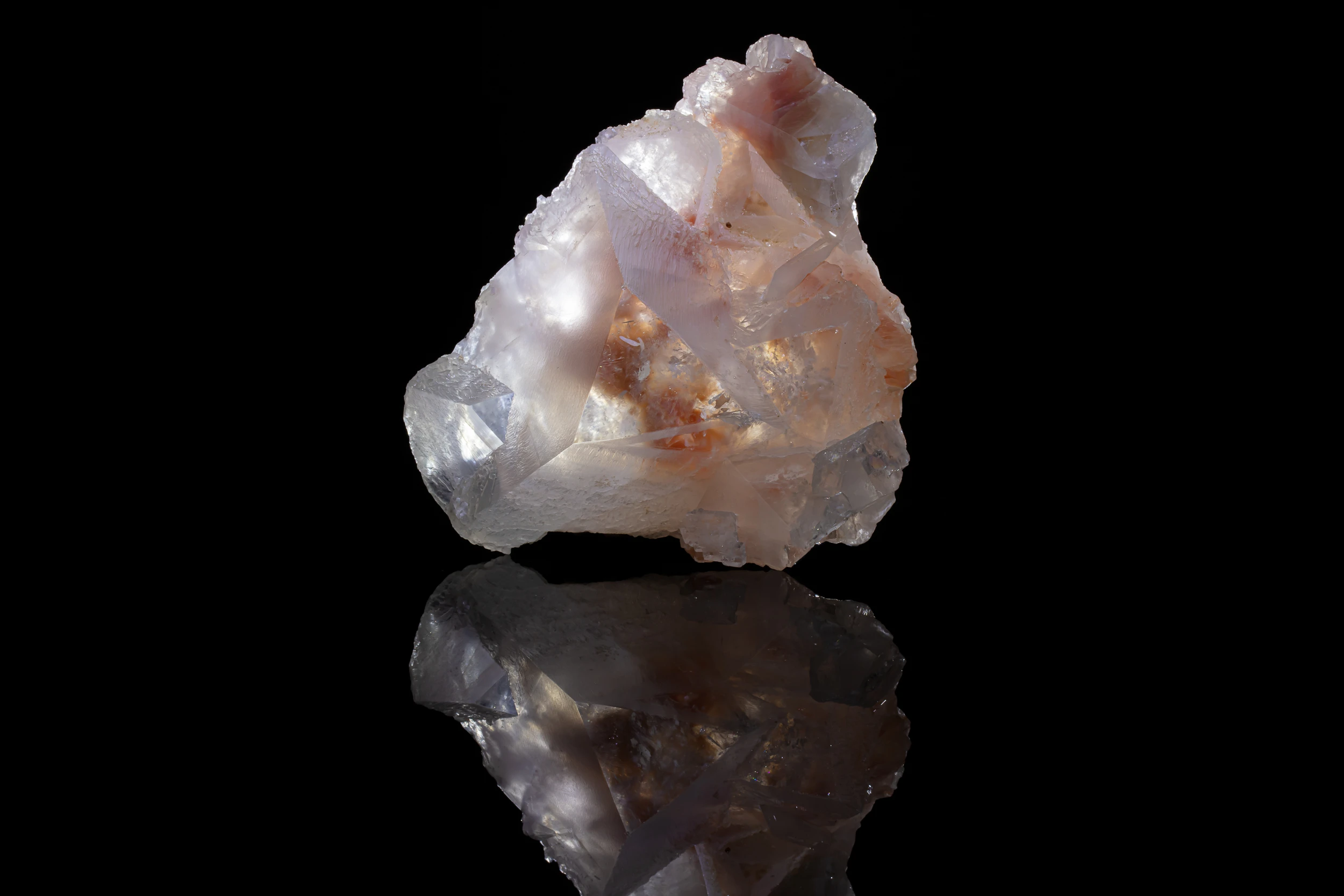
Today, Rock of Science brings together 168 specimens from 39 countries, representing 132 mineral species , documented through 783 photographs and 23 videos.
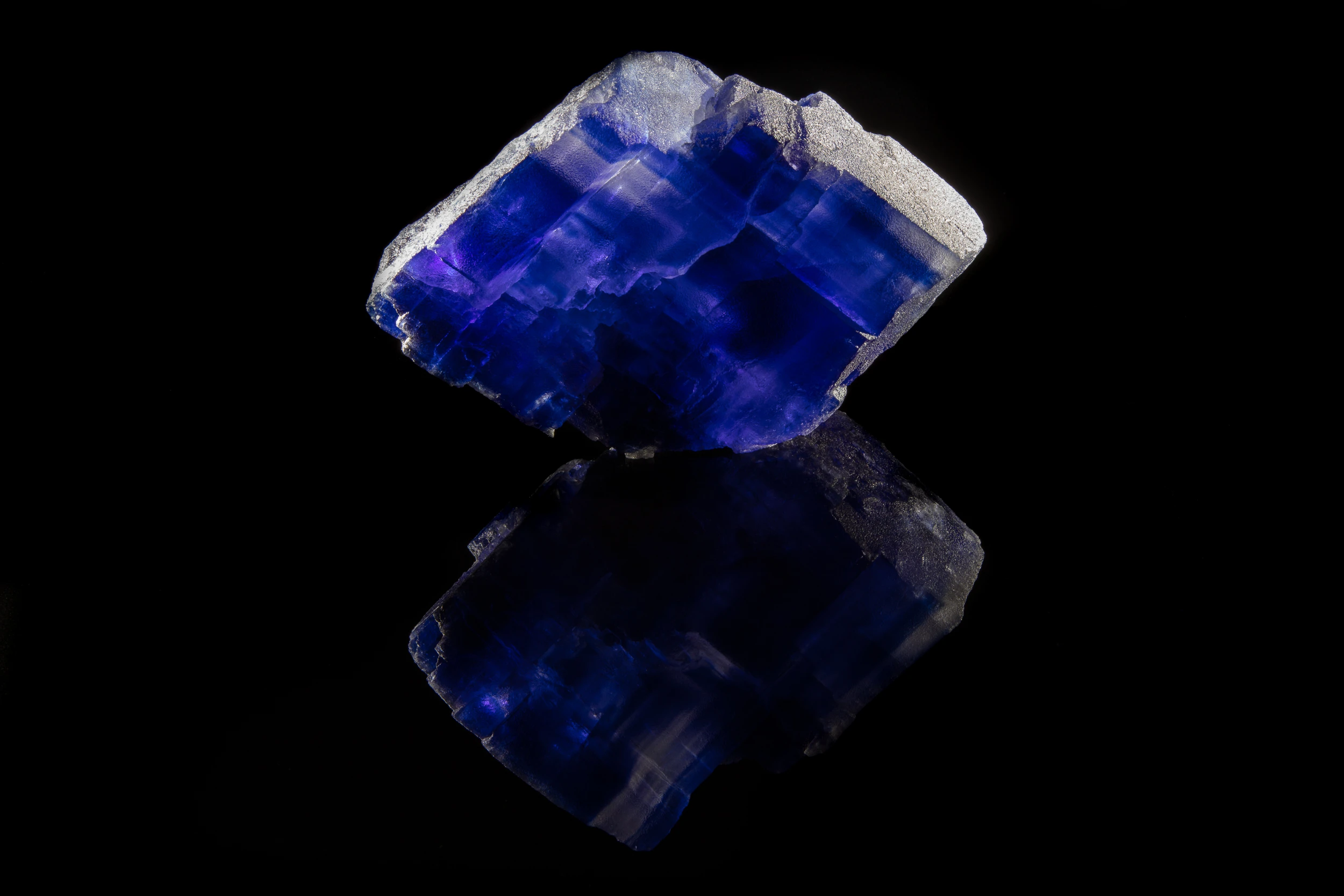
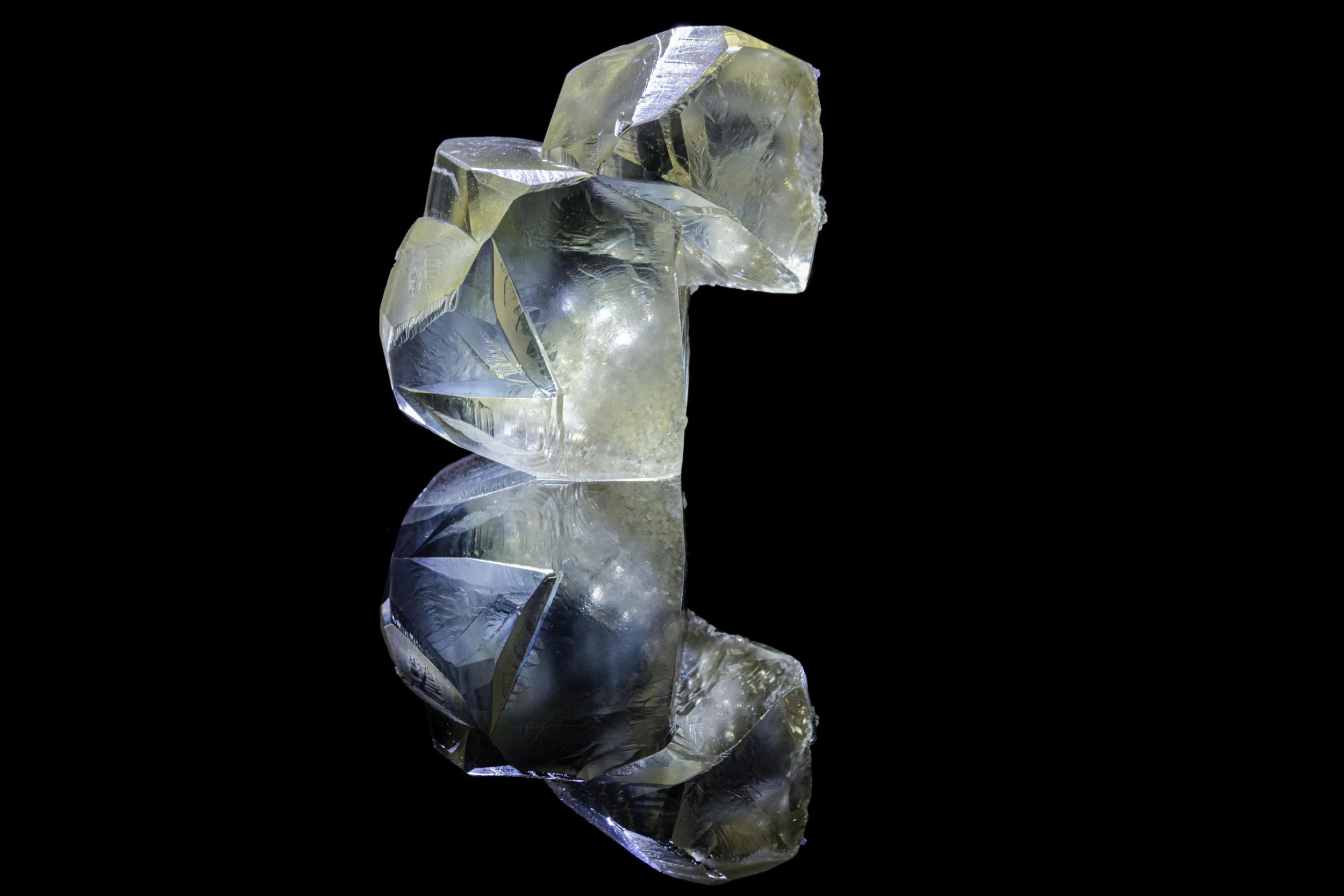
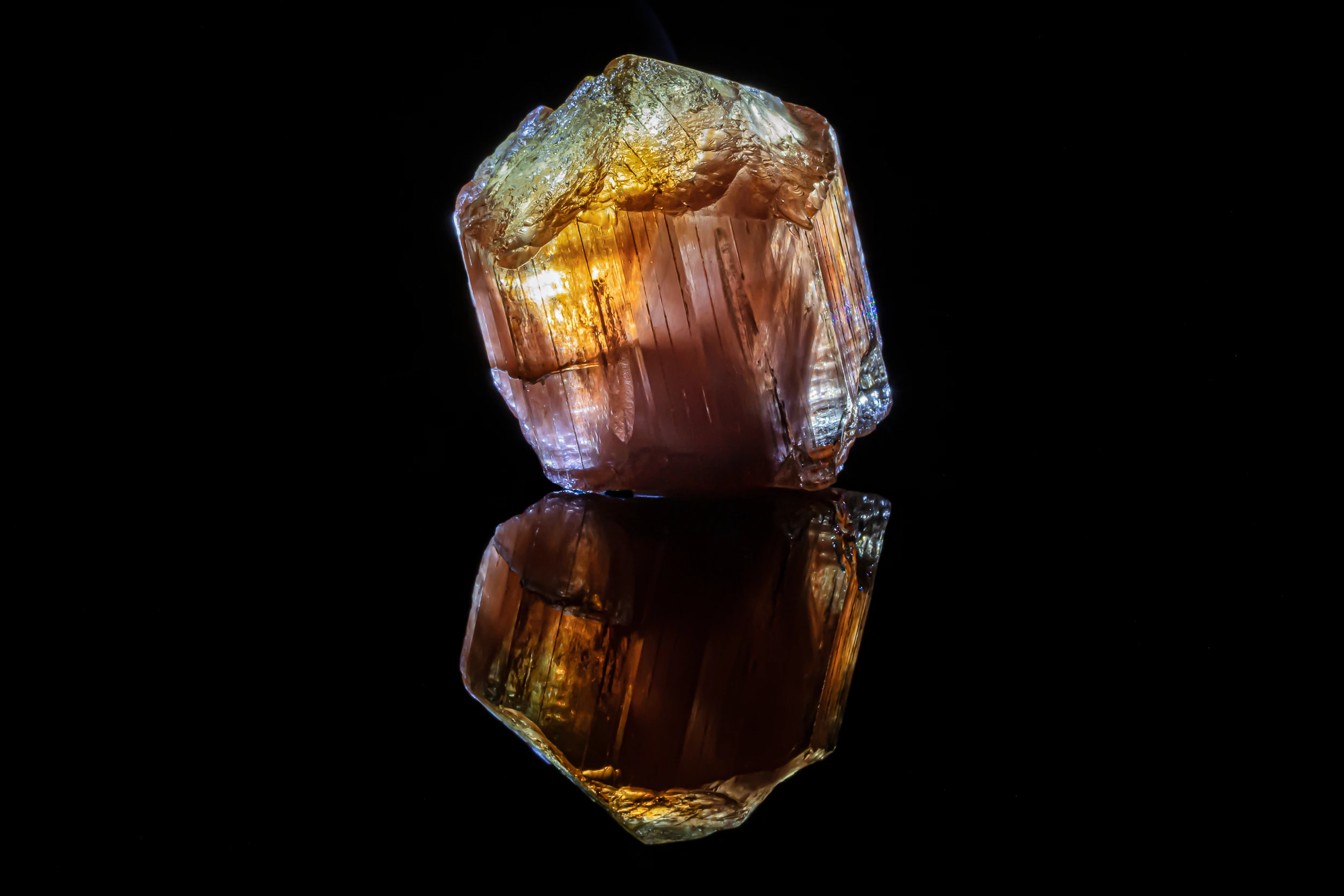
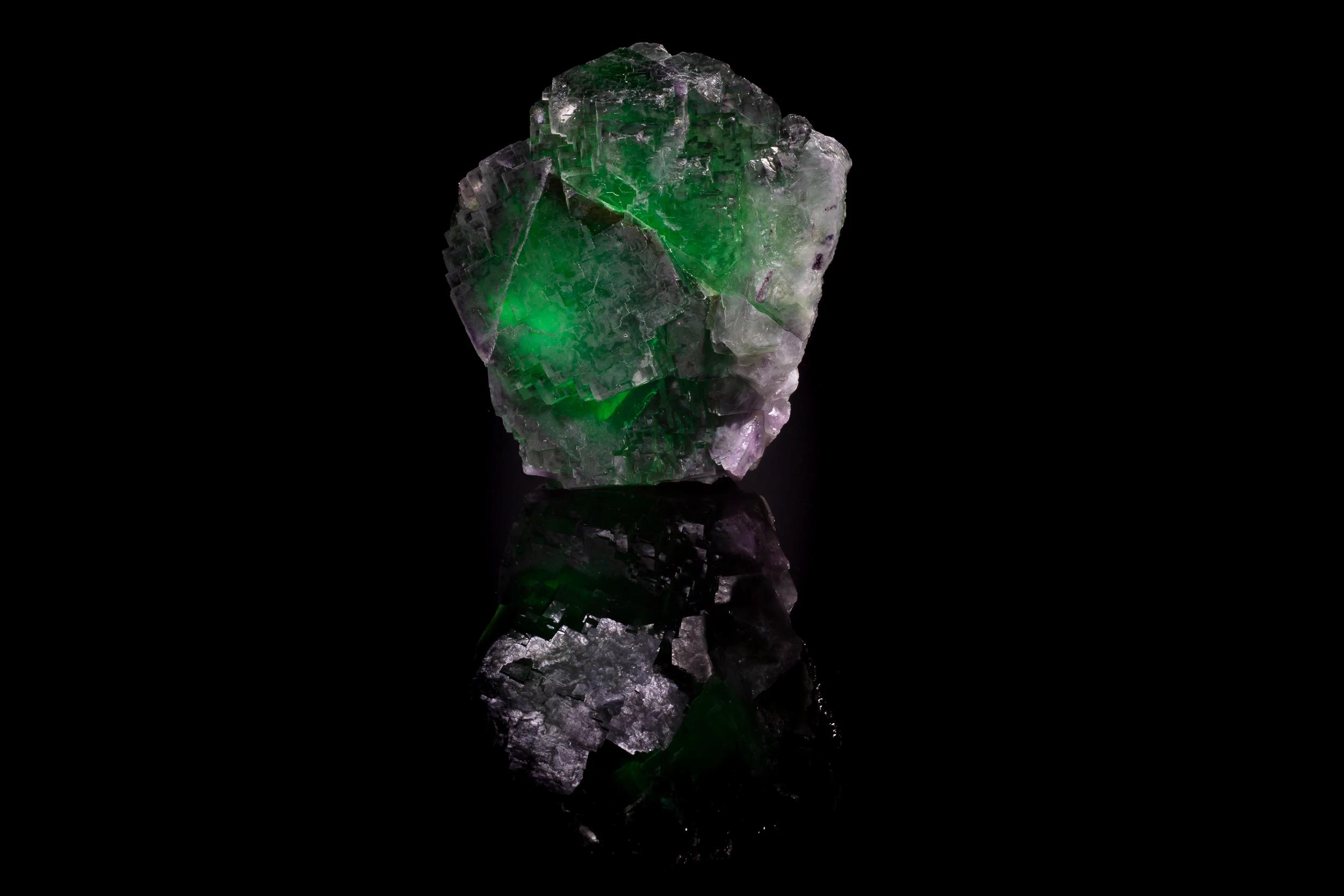
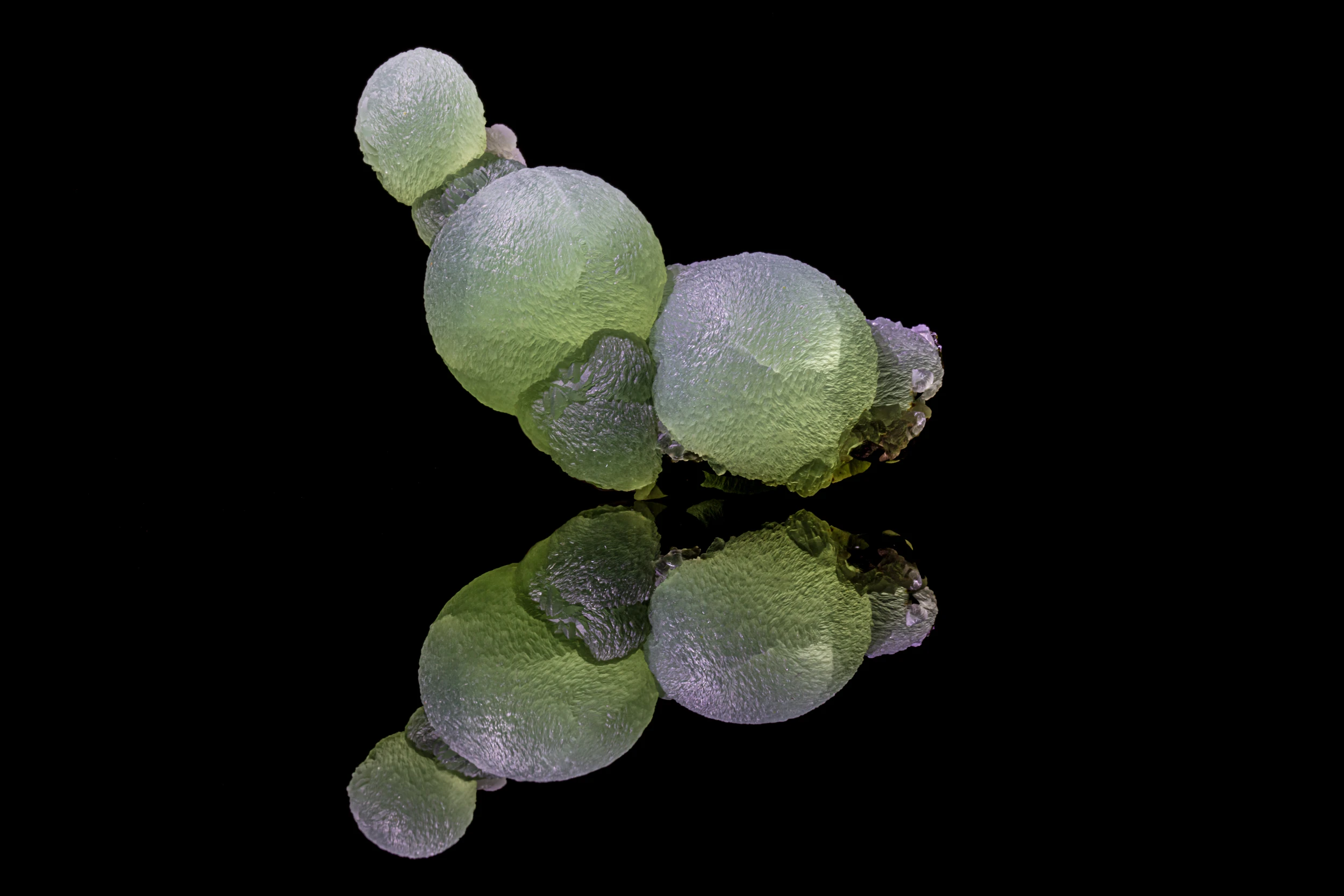
Every mineral here is explained in plain language first. Then it opens into the technical detail for those who want it. As a result, a lifelong collector finds the rigor they expect. Meanwhile, a curious newcomer finds a way in that never talks down to them. Both belong here, because the mineral world is far too fascinating for specialists alone.
Chemistry, geology, and crystal growth all leave their mark on a stone. Every specimen is a small lesson in how the earth builds beauty. And every page is written to make that lesson clear.
This is the master record. Every specimen is documented, catalogued, or on its way in as the collection grows. It is all here, or nearly so.
Of course, a long alphabetical list is rarely the best way in. Instead, the same collection opens through many doors. You can enter by element, by class, by crystal geometry, by country, or simply by name. Each path reaches the same specimens from a different angle.
Full Collection: Every specimen, sortable alphabetically, by date added, by color, by hardness, or by transparency. The most direct way in.
A to Z: An alphabetical index of every mineral name in the collection, from adamite to zincite. Best when you already know what you are after.
By Element: Every mineral is built from chemical elements. Open each one to find its atomic profile, its story, and every specimen it appears in, element by element across the periodic table.
By Class: The Strunz system sorts minerals into ten families by chemistry and structure, from native elements to silicates. Each class carries its own identity: typical form, luster, and the reason those minerals belong together.
By Crystal System: Crystals grow by strict geometric rules. Seven systems, from cubic to triclinic, that set the shape, the growth, and the way a mineral breaks.
By Country: Minerals form where the geology allows it. Each country opens onto its notable mining localities, the species that made them famous, and every specimen the collection holds from that ground.
By Video: Specimens filmed in motion. The light moving across a crystal face, the depth a still photograph never quite reaches, the way a specimen turns in the hand.
Rock of Science was designed, developed, and photographed by Minerals Photography, a studio working exclusively with mineral collectors and small mineral museums. So if you have built a collection and want to see it come to life this way, documented, explored, and shared, that is what the studio does.