Identity
Technical notes (click to open)(click to close)
Name & Human History
Etymology
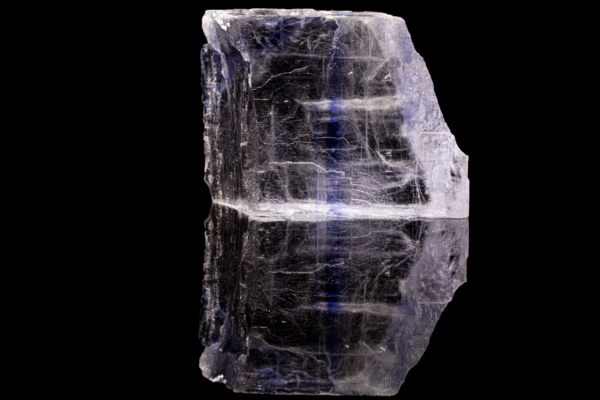
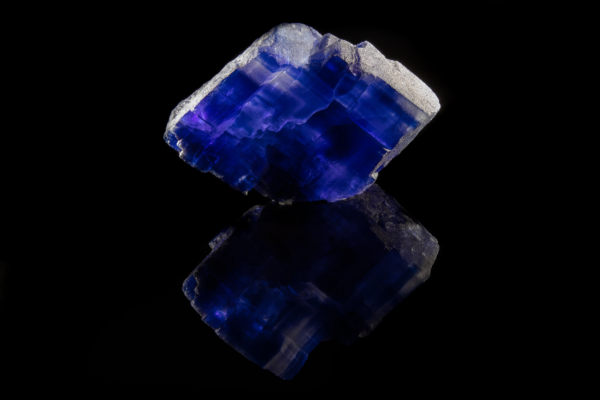
Halite is rock salt, the very same salt that sits on your table. It is sodium and chlorine joined into clear or white cubes, and it tastes salty, a rare case where licking a mineral is a fair test. The name comes from two Greek words, for salt and for stone. Halite breaks cleanly into little cubes, and it can also be tinted pink, blue, or deep purple.
Through the Ages
Halite has shaped human history like few other minerals. Salt was once so prized that it was traded like money, and our word salary comes from payments once made in salt. Today halite is still vital. It seasons and preserves food, melts ice on winter roads, and feeds the chemical industry that makes chlorine and many other products. Collectors enjoy its clean cubes and its rare blue crystals.
Geology & Occurrence
Formation
Halite forms when salty water dries up. As a sea or a salt lake slowly evaporates, the dissolved salt is left behind, building thick beds of halite over time. Whole layers hundreds of feet thick lie buried in the crust, the dried remains of ancient seas. These same beds can slowly flow and rise, pushing up domes that trap oil and gas.
Notable Localities
Famous halite comes from great salt mines and dry lakes. The Wieliczka mine in Poland, worked for centuries, even has chapels carved from solid salt. Fine blue and purple halite comes from Germany, and clear cubes from Searles Lake in California. Salt flats in the western United States and beyond yield fresh crystals as their brines dry.
Halite has one weakness every collector must respect. It dissolves in water, and it even draws moisture from damp air, slowly turning to mush. A halite specimen must be kept dry, away from humidity, or it will not last. The rare blue and purple colors hold a small wonder of their own. They come not from any added metal but from tiny flaws in the crystal, caused by natural radiation over ages.