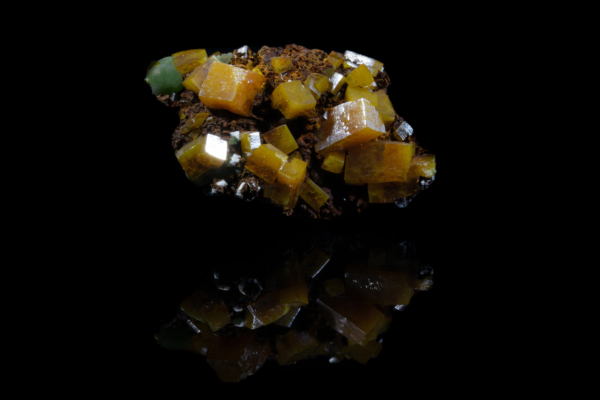
Identity
Technical notes (click to open)(click to close)
Name & Human History
Etymology
Calcite takes its name from the Latin word calx, meaning lime. That is fitting, because calcite is calcium carbonate, the same material that becomes lime when you heat it. The connection runs deep into daily life. Calcite is the main mineral in limestone and marble, in chalk, and in the hard shells of snails, clams, and eggs. When builders burn limestone to make cement and mortar, they are unlocking the lime hidden in calcite.
Through the Ages
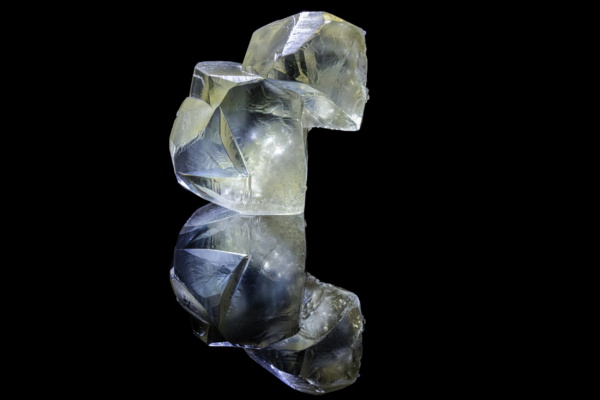
Calcite has quietly shaped both buildings and science. People have carved and burned it for thousands of years, from marble statues to the mortar holding old walls together. One clear, glassy variety, called Iceland spar, even helped scientists learn how light works. In 1669, a Danish scholar named Rasmus Bartholin noticed something strange about it. A single line viewed through the crystal appeared as two. That odd effect, called double refraction, kept great minds busy for the next two hundred years.
Today
Calcite is everywhere in modern life, usually without our noticing. It is quarried by the mountain for cement, crushed for road stone, and added to soil to balance acid in farm fields. It goes into glass, paint, plastic, and even some toothpaste and antacid tablets. The clearest pieces still matter to science and industry, where their unusual way of bending light is put to work in lenses and optical tools.
Geology & Occurrence
Formation
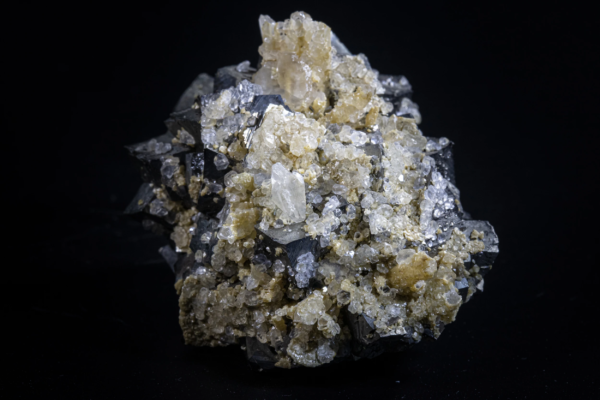
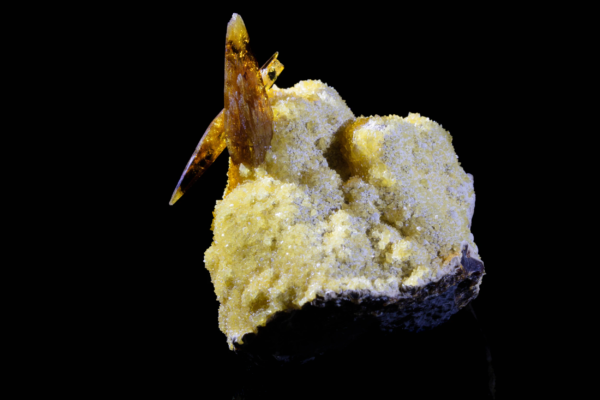
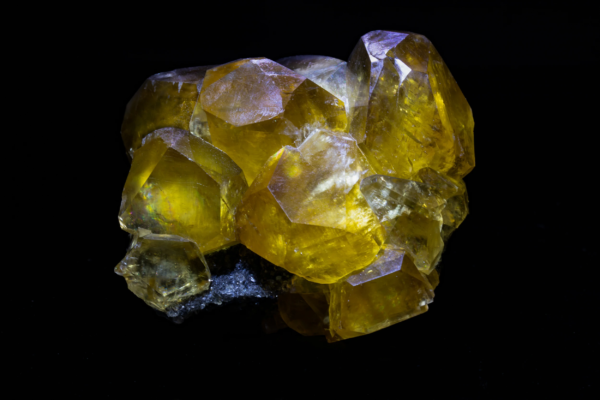
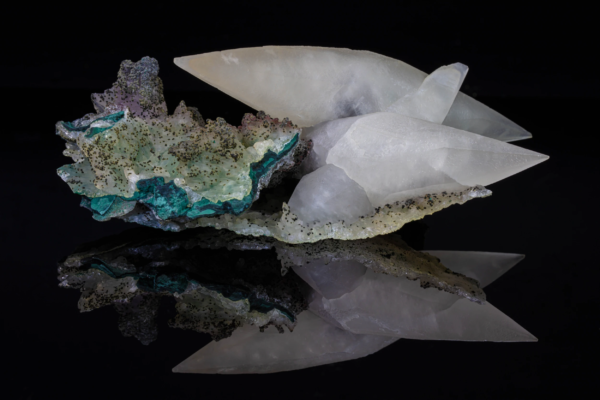
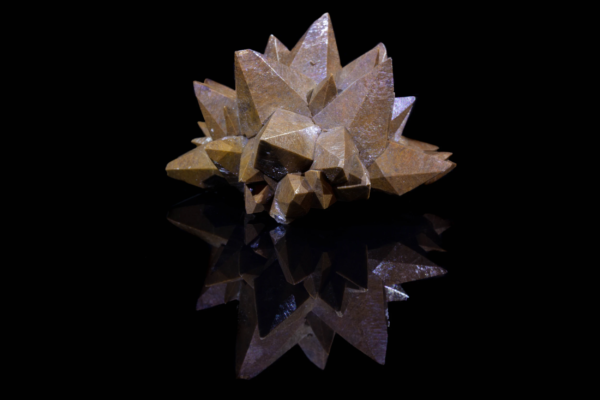
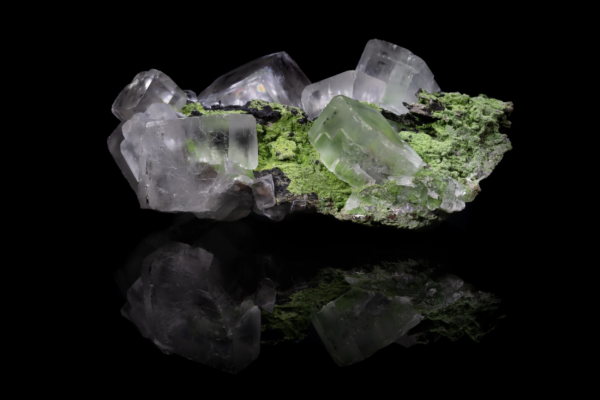
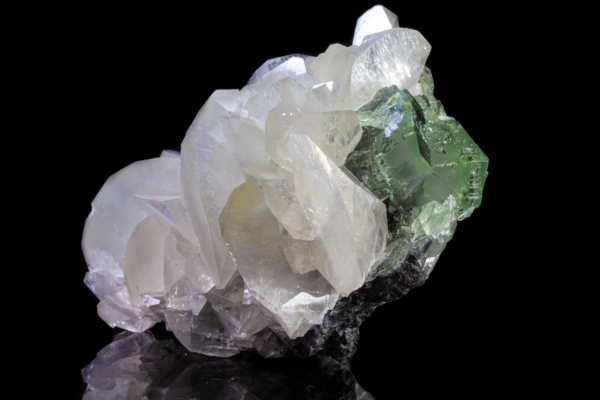
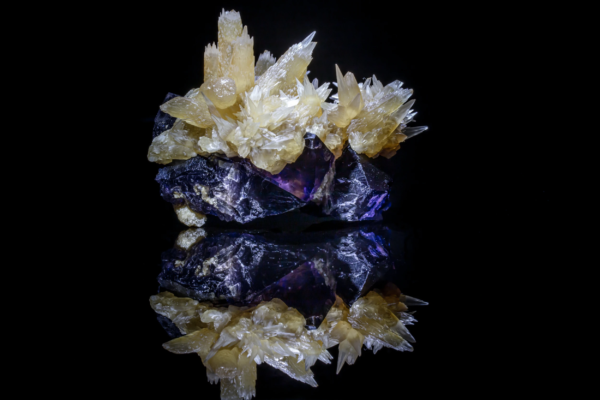
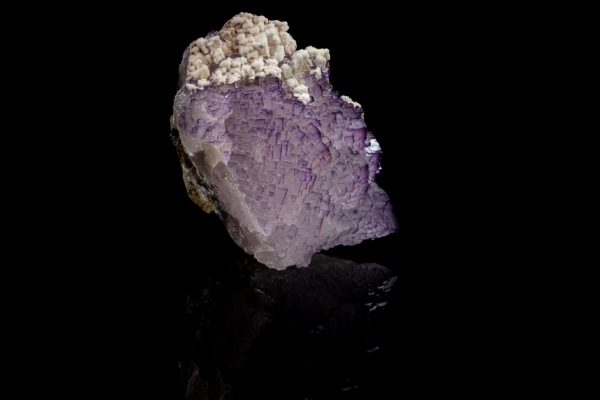
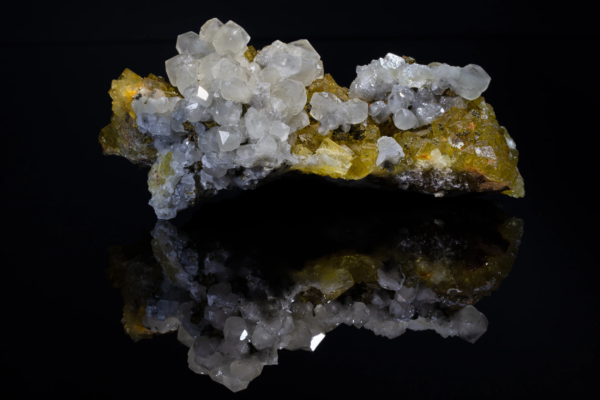
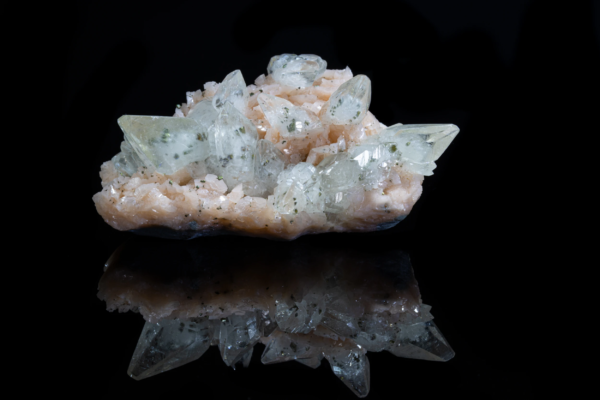
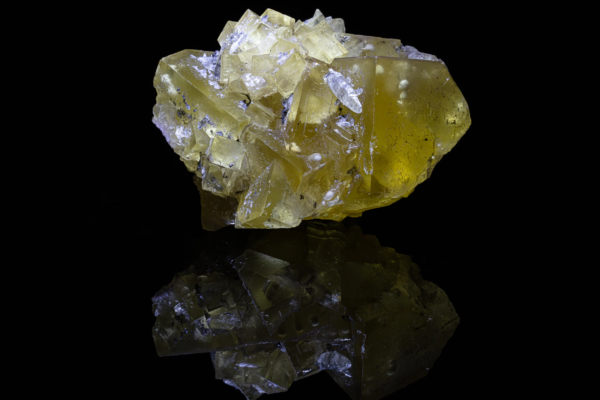
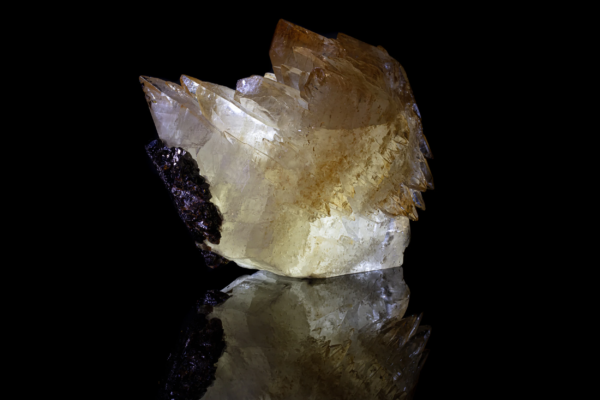
Calcite forms in an amazing range of places, which is part of why it is so common. It builds up in warm shallow seas as countless tiny shells and skeletons pile into limestone. It grows drop by drop inside caves to make stalactites and flowstone. It also crystallizes from mineral rich water moving through cracks in rock. Few minerals take so many shapes. Calcite can grow as sharp dogtooth points, as blunt nailhead forms, or as clean rhombs, and it breaks into neat slanted blocks that help collectors spot it. A drop of weak acid on calcite will fizz, a quick and reliable test.
Notable Localities
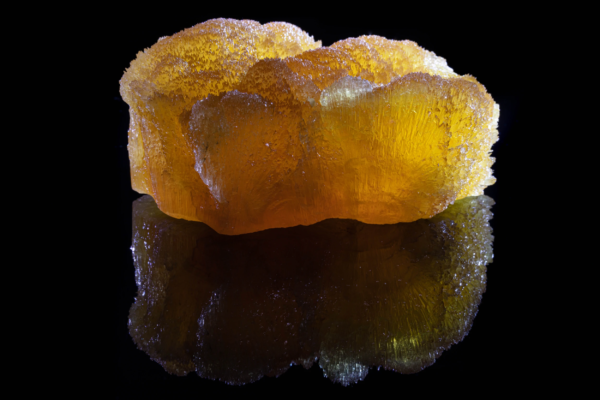
Iceland gave its name to the famous clear spar, first quarried in the east of the island. England produced golden and amber crystals in Cumbria, often perched on red hematite. Mexico is known for large, water clear crystals and bright orange pieces. In the United States, the old mines of Elmwood, Tennessee, yielded honey colored calcite prized by collectors. Fine specimens come from China as well.
There is a long running mystery tied to clear calcite. Old Norse sagas mention a sunstone that let sailors find the hidden sun on cloudy days. No one knows for certain what it was, but many researchers suspect it was Iceland spar. The crystal sorts light in a way that can reveal the sun's direction even through thick clouds, and modern tests show it really can point the way within about one degree. A piece of clear calcite was even found on a sunken ship near its navigation tools, though that still does not prove the old stories.
Look at a single dot through a clear piece of Iceland spar and you will see two dots, not one. The crystal splits each ray of light into two and sends them along slightly different paths. This was once just a curiosity, but it became a key that unlocked the science of light. Calcite prisms later let researchers control polarized light, and that same clear spar was even cut for World War Two bombsights.