Identity
Technical notes (click to open)(click to close)
Name & Human History
Etymology
Carrollite is a metallic mineral made of copper and cobalt. Its name is rooted in small-town America. It was first found in the 1850s in Carroll County, Maryland, and named for that place. Miners there were digging for copper when they struck a strange gray ore no one could name. A scientist studied it and declared it new. For a long time, Carroll County was the only place on Earth it was known to come from.
Today
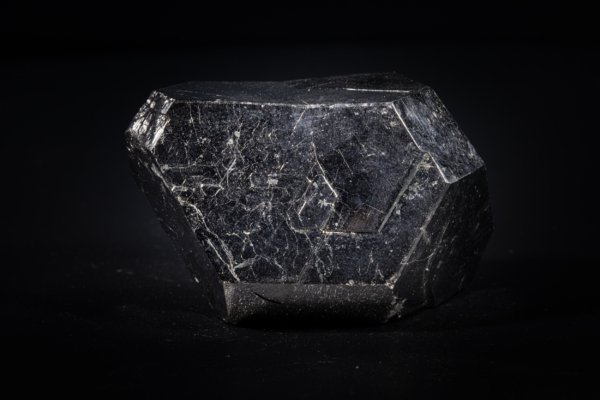
Today carrollite is mostly a collector's mineral. It does carry cobalt, a metal now in high demand for batteries. Its real fame, though, comes from far away. The richest and most beautiful carrollite comes from the copper belt of the Congo. There it grows as bright, sharp, silver gray octahedra perched on rock. These eight sided crystals are among the finest metallic specimens in the world.
Geology & Occurrence
Formation
Carrollite forms deep underground in veins of mineral rich fluid. As the fluid moves through cracks and cools, it drops its metals as sulfide minerals, and carrollite is one of them. It keeps company with copper ores like chalcopyrite and bornite. The crystals can grow large and well shaped where there is room and time.
Notable Localities
The original carrollite came from the Patapsco mine in Maryland, its namesake home. But the specimens collectors prize today come from the great mines of Katanga, in the Democratic Republic of the Congo. Smaller finds turn up in Sweden, Germany, Morocco, and a scattering of other places.
The story of carrollite shows how a name can mislead. The mineral is named for a quiet county in Maryland, where it was first found but where good crystals are rare. The pieces that take a collector's breath away come instead from central Africa. The name honors the cradle, not the crown.