Fluorite

The Specimen

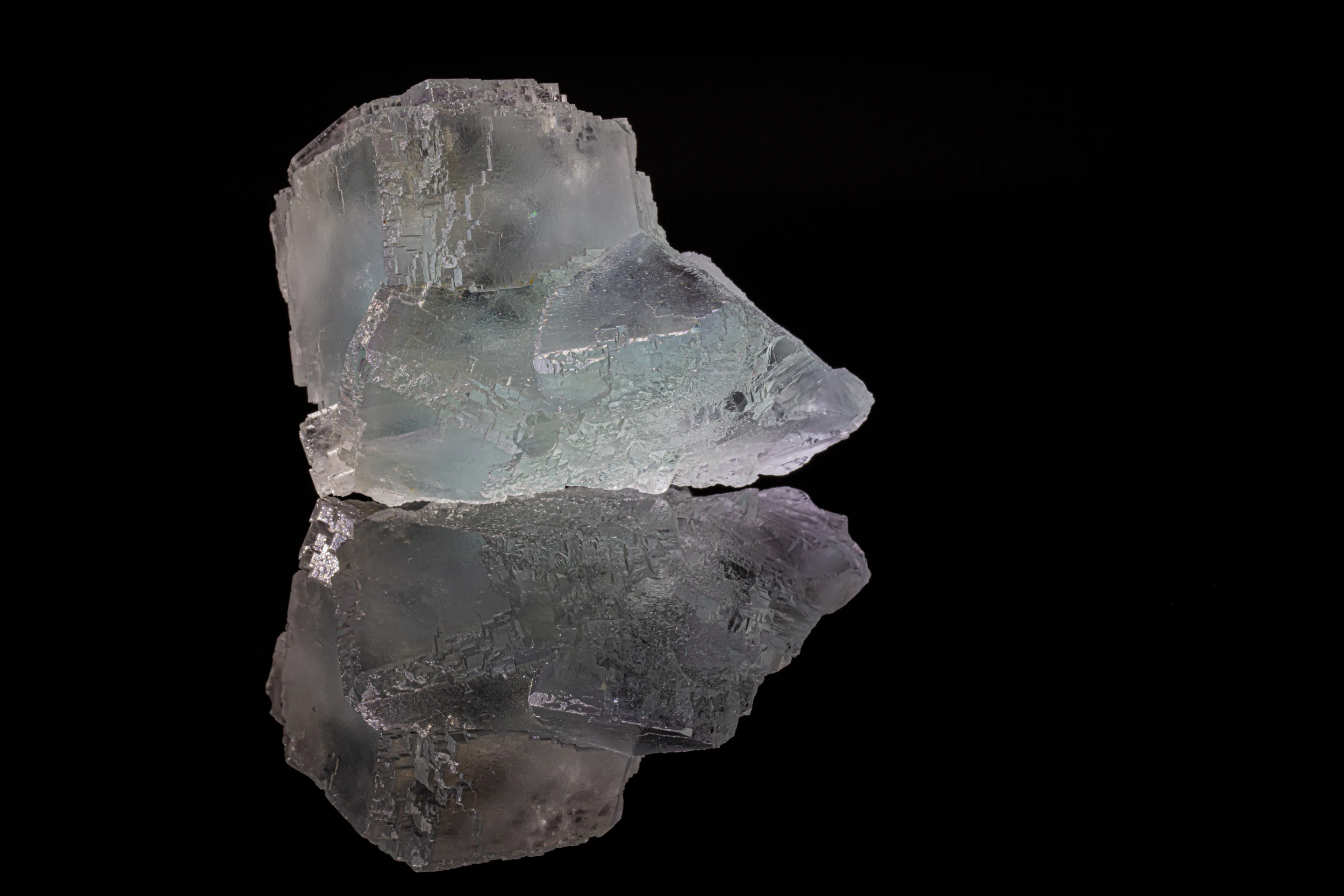
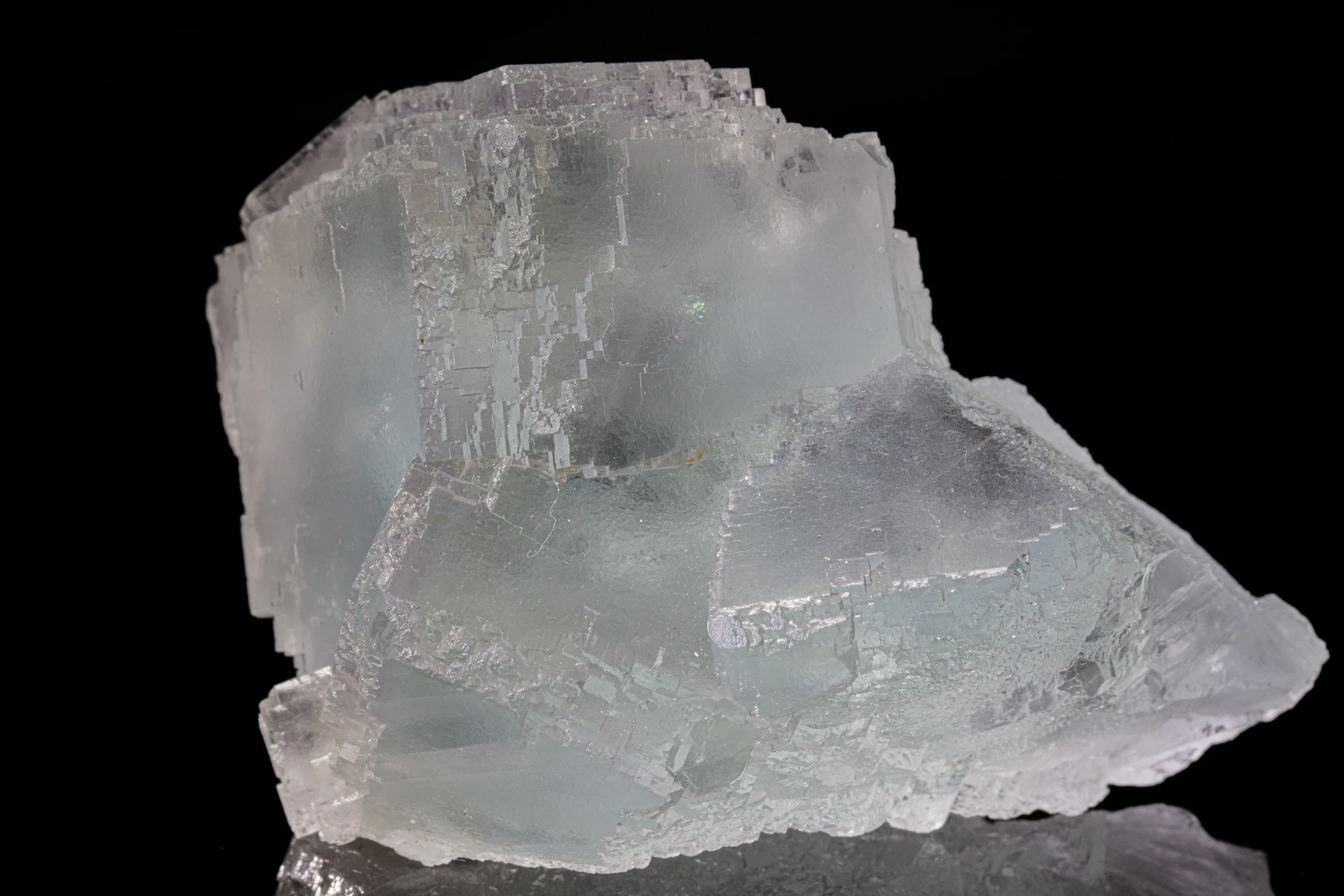
Cabinet: Cabinet (7 - 10 cm) – Size: 9.8 x 6.3 x 6.3 cm Origin: La Viesca Mine, Huergo, La Collada mining area, Siero, Asturias – Spain

Notes

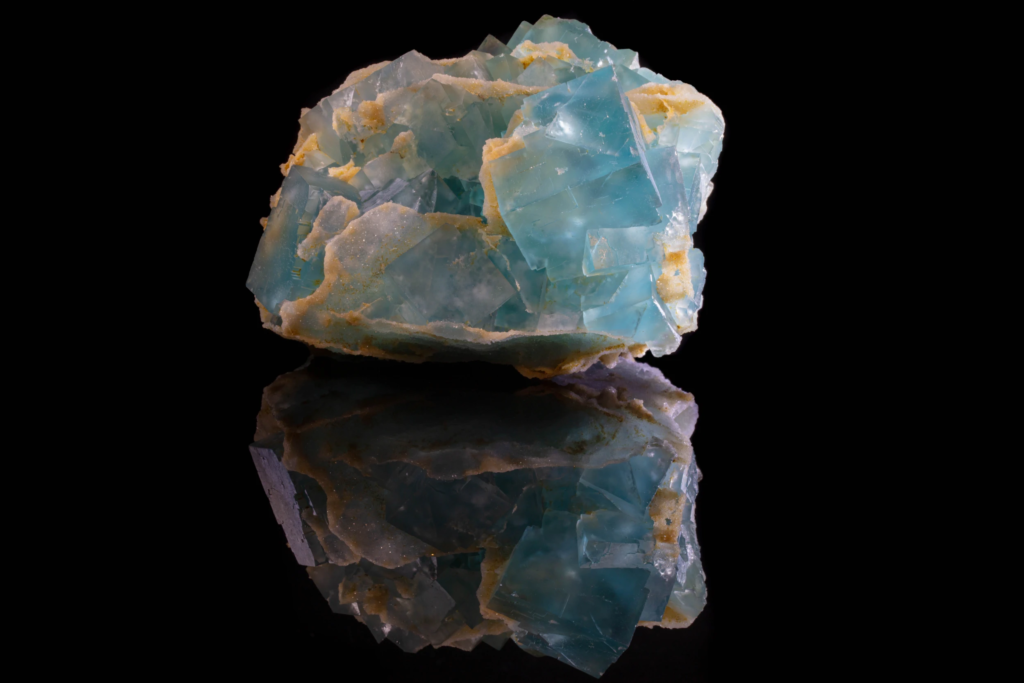
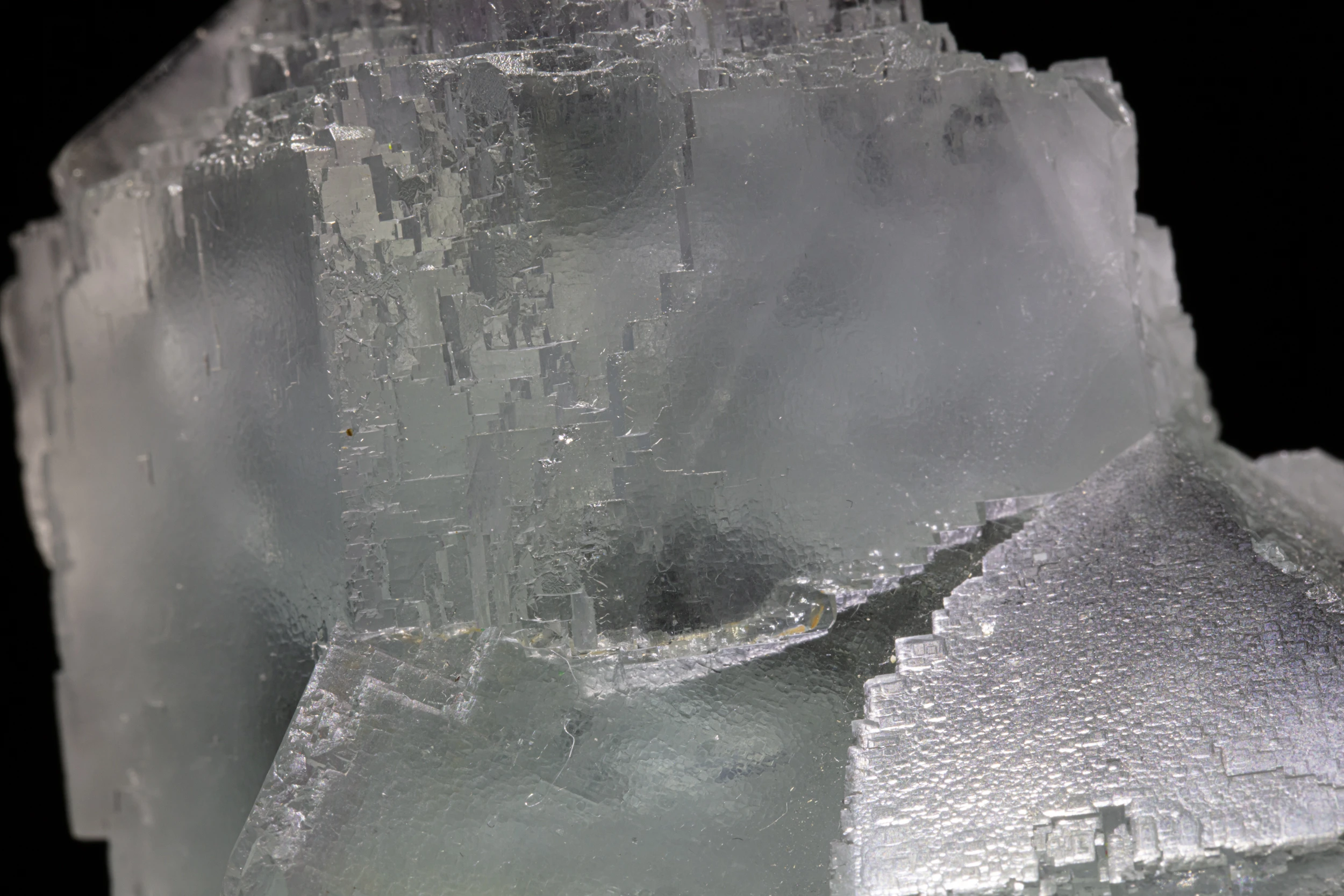
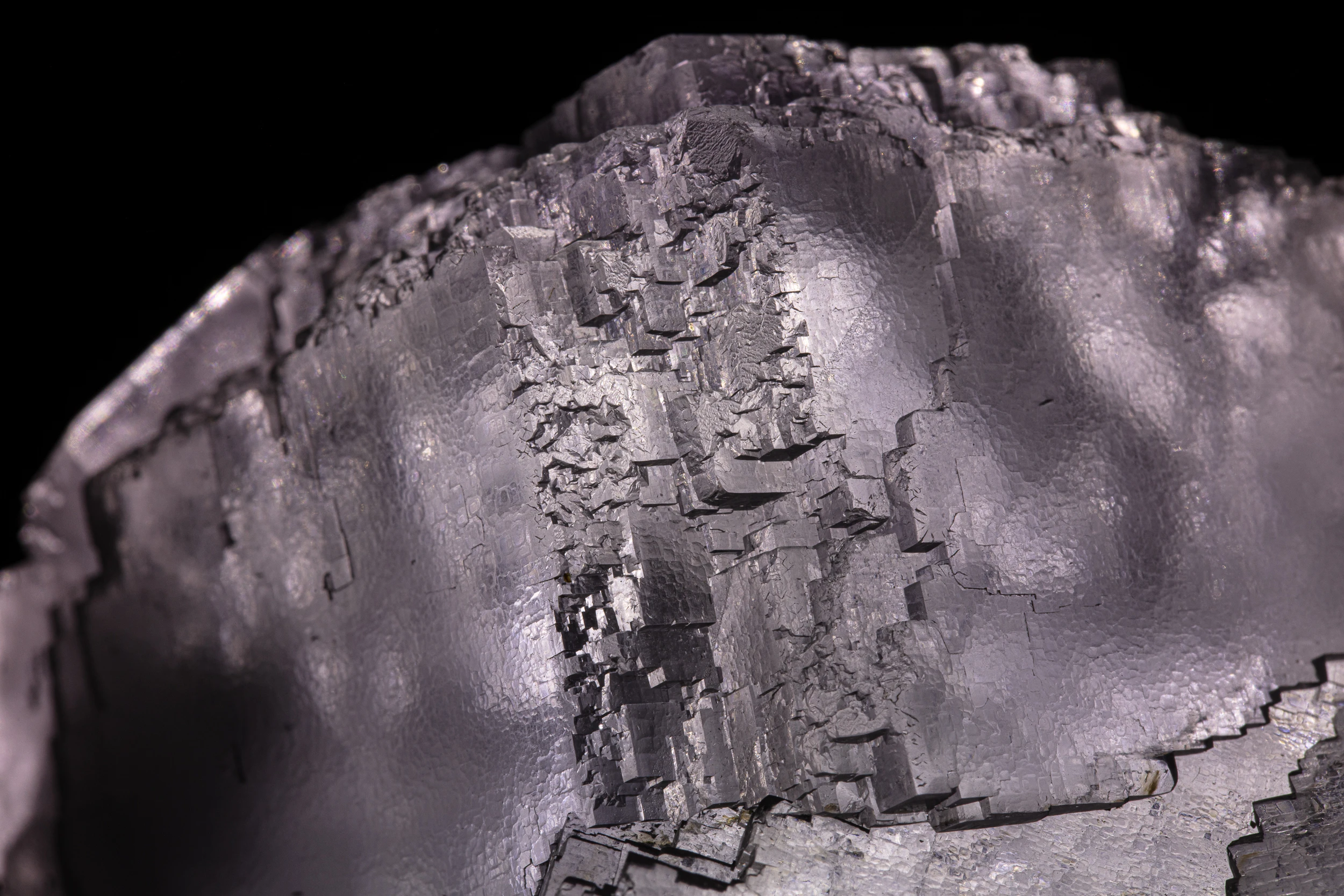
This specimen comes from the La Viesca Mine near Huergo, in the La Collada mining area of Asturias, northern Spain, one of the most famous fluorite localities in Europe. Fluorite was first found in the La Collada area in 1904, during the building of a railway. Here it fills veins and layers in rocks of Permian and Triassic age, more than 200 million years old. This piece is a group of glassy, pale cubes with no matrix, and their edges are cut by small extra faces built up in tiny steps. According to the dealer, the crystals were once attached to the pocket wall, but the break healed as they kept growing, so the piece is crystallized all around, what collectors call a floater. The dealer also notes that its color shifts with the light, from soft blue to green with lilac highlights.

Mineral Species

Did you know?

Fluorite gave fluorescence its name. In 1852 the physicist George Stokes, studying the mineral's glow under invisible light, coined the word for the whole phenomenon after the stone itself.