Identity
Technical notes (click to open)(click to close)
Name & Human History
Etymology
Fluorite gets its name from the Latin word fluere, which means to flow. The reason is its oldest job. When you add fluorite to a hot furnace, it lowers the melting point of metal ores and helps the liquid metal flow more easily. Workers long ago called minerals like this fluores. The stone also gave its name to two famous things in science. One is the element fluorine, which was first taken from fluorite. The other is fluorescence, the glow that some materials give off under special light, first studied in fluorite.
Through the Ages
For most of its history, fluorite was used for work, not for beauty. It was mostly a helper in the furnace, just as its name says. One famous exception is a banded purple and yellow kind called Blue John, found in Derbyshire, England. Since the 1700s, people have carved Blue John into bowls, vases, and ornaments. The Romans may have prized a similar banded fluorite for costly cups, though experts still argue about that.
Today
Today, fluorite is the main source of the element fluorine. Most mined fluorite is turned into an acid that is the starting point for many products. These include the coolant in refrigerators, tough plastics, and many medicines. Fluorite also still helps melt metal in steel and aluminum plants. The clearest, purest crystals have a special use. They bend light very evenly, with almost no color spread, so they are cut into lenses for microscopes, telescopes, and fine cameras.
Geology & Occurrence
Formation
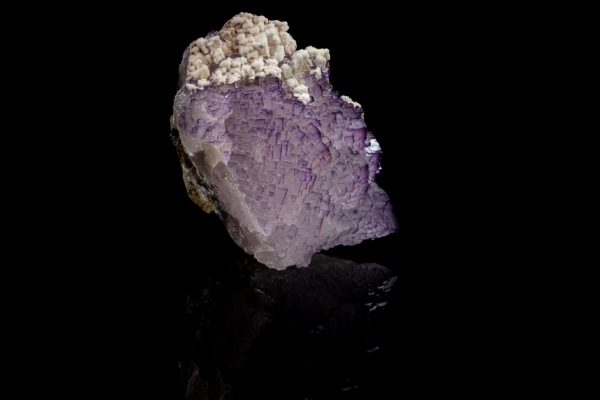
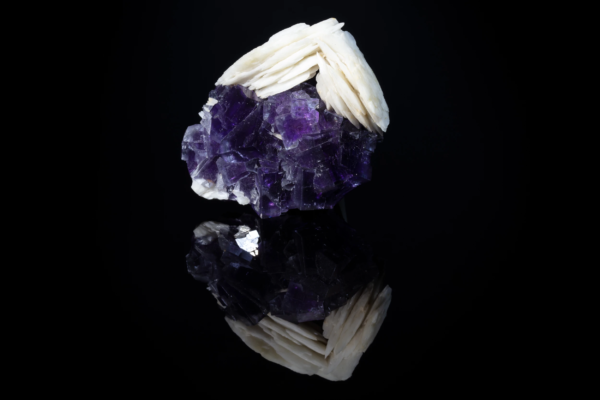
Fluorite usually grows from hot, mineral-rich water moving through cracks in the rock. As the water cools, fluorite lines the cracks. It often grows next to minerals like galena, sphalerite, barite, quartz, and calcite. It can also form in other settings, such as where these fluids react with limestone. One of its most famous traits is the way it breaks. A cube of fluorite can split cleanly into a perfect eight-sided shape, which makes it a favorite for teaching about crystals.
Notable Localities
England set the standard, with deep purple and green crystals from County Durham and Derbyshire. Spain produces clear yellow and violet crystals. China mines more fluorite than any other country. In the United States, southern Illinois was a major source, and fluorite is the state mineral there. Fine specimens also come from Mexico and Morocco.
Fluorite is the stone that gave a whole effect its name. In 1852, a scientist named George Stokes was studying how some materials glow under invisible ultraviolet light. The fluorite he used did this so well that he named the effect after it: fluorescence. Today that word covers everything from highlighter ink to glowing safety vests, all traced back to a glowing violet crystal.
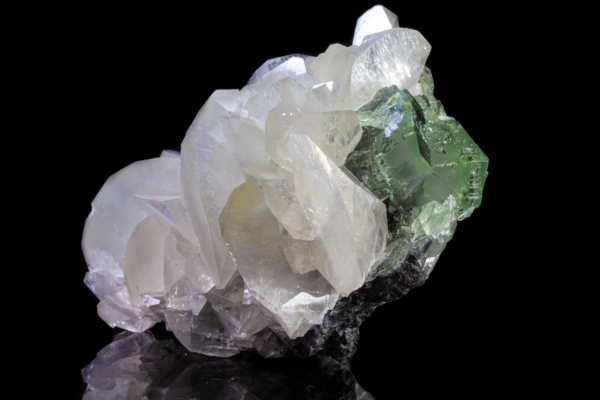
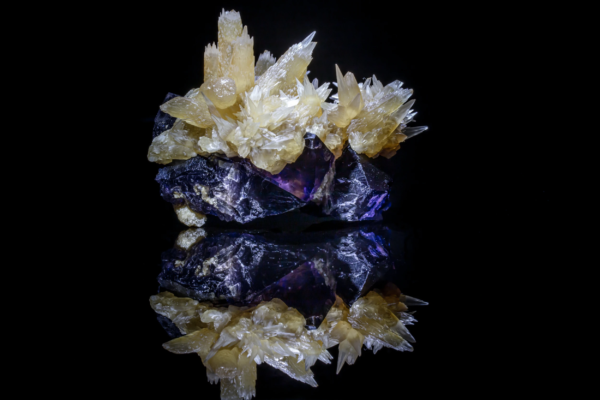
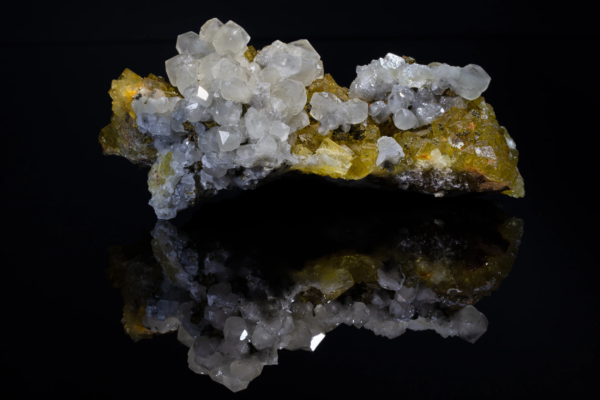
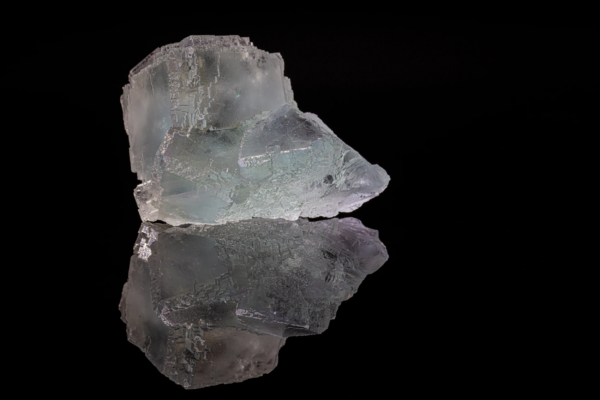
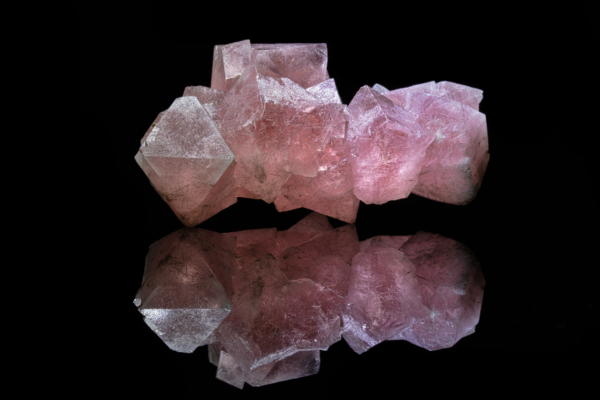
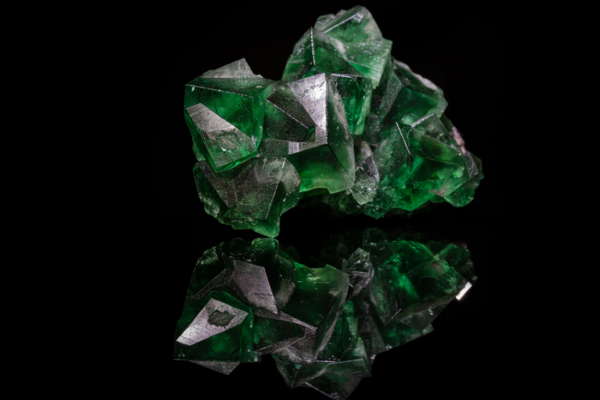
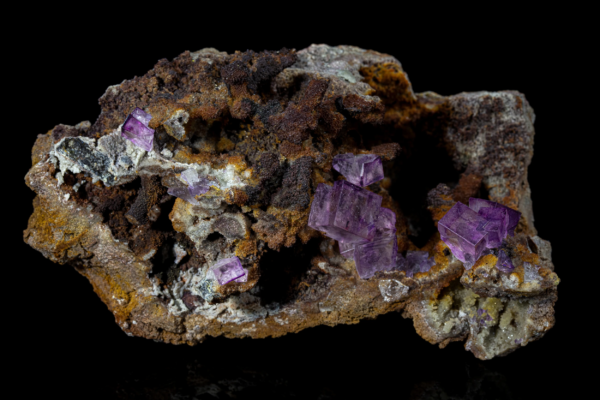
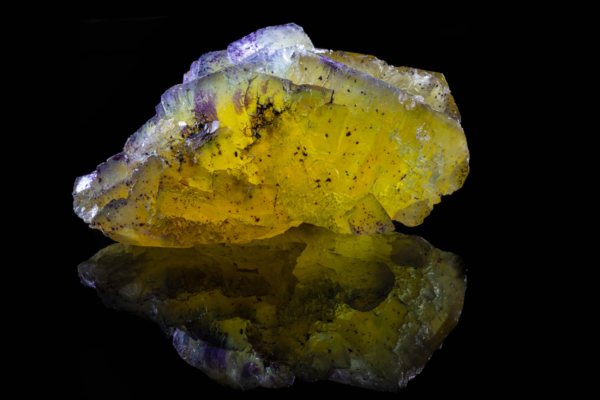
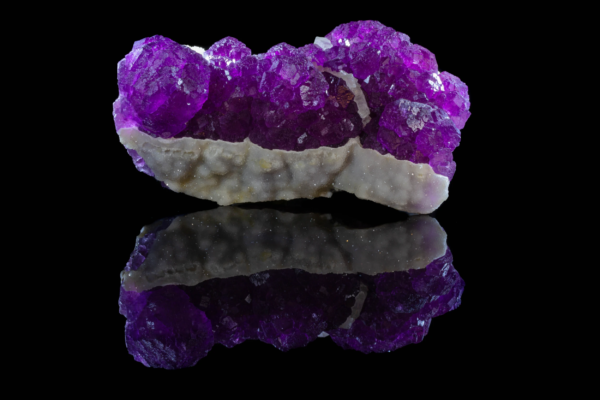
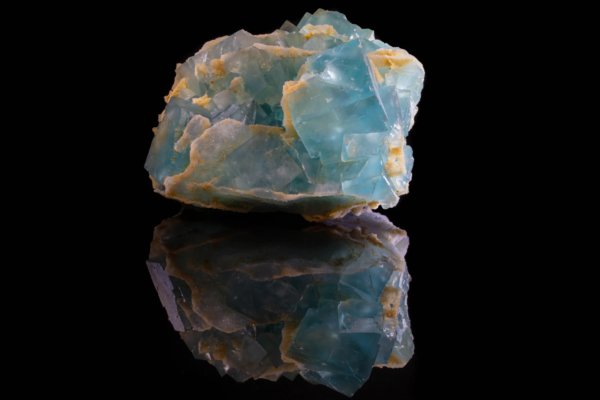
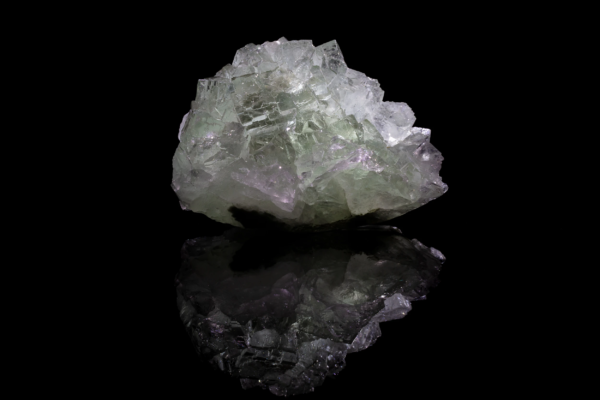
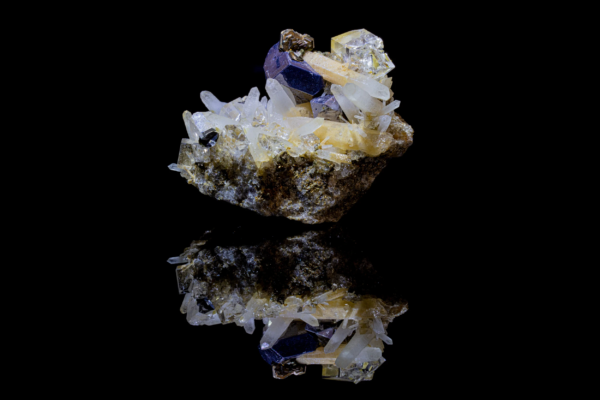
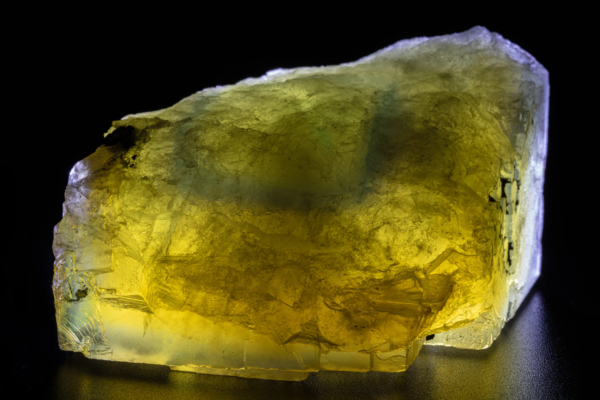
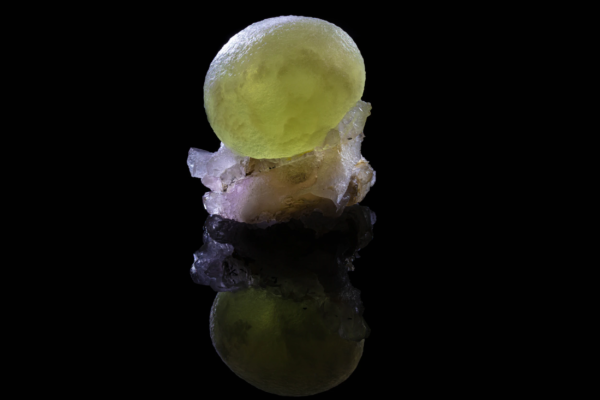
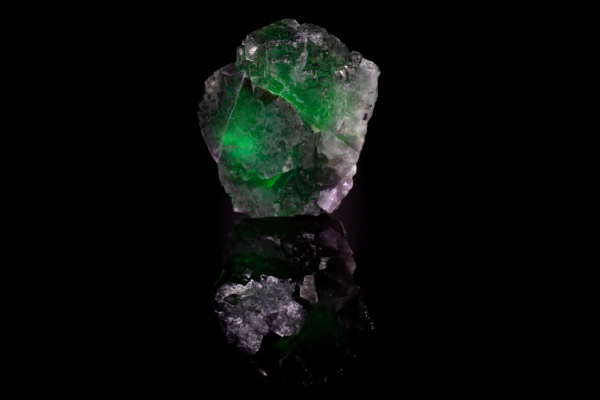
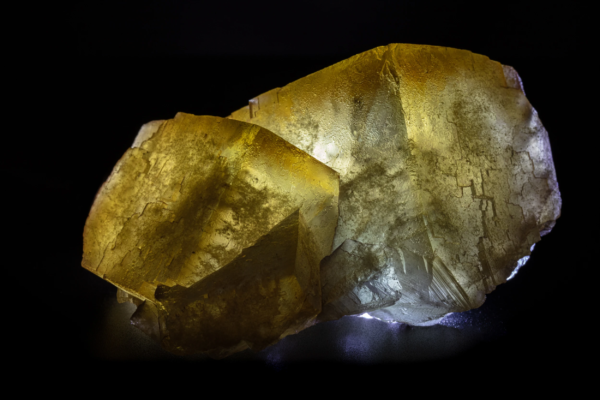
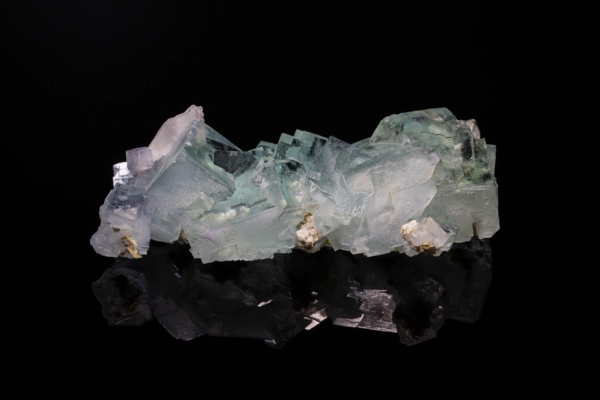
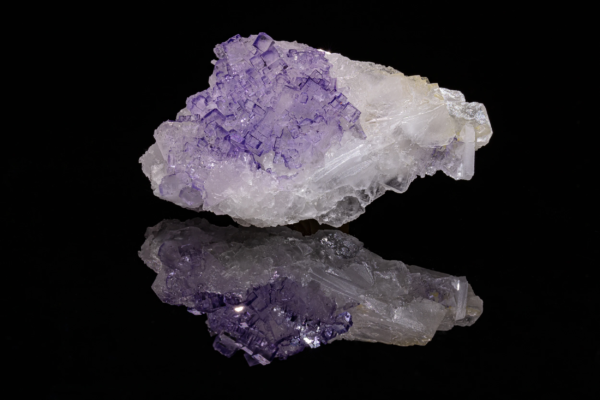
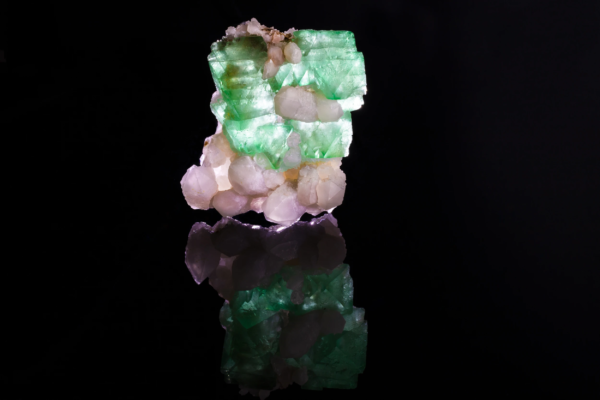
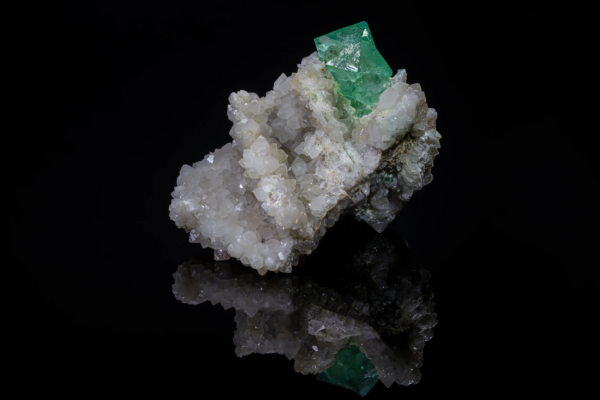
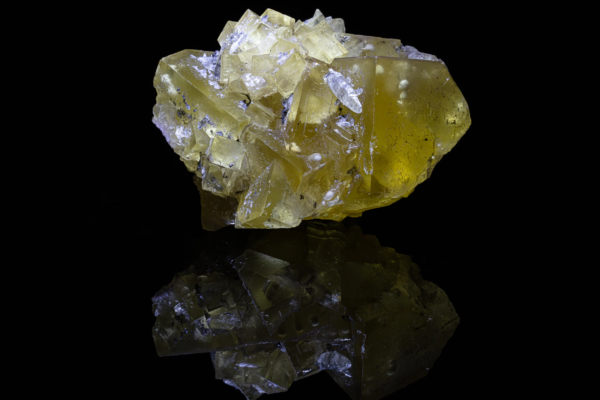
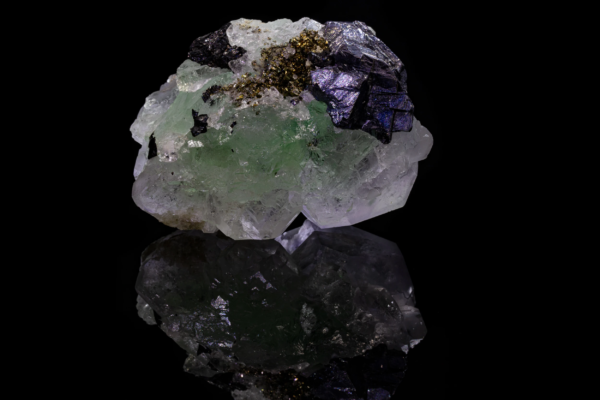
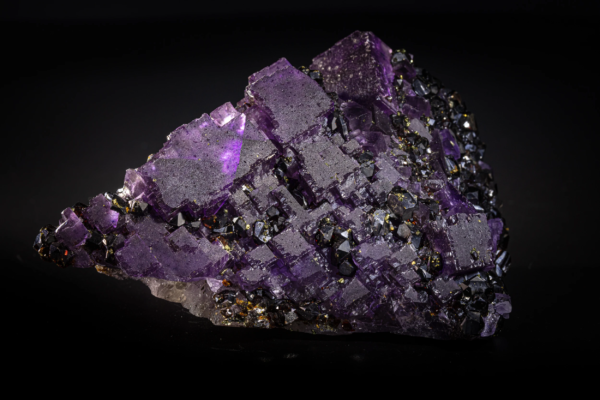
Fluorite is a chameleon of color. The same mineral can be purple, green, blue, yellow, pink, or clear. A single crystal often stacks several of these colors in sharp bands. Some pieces even glow one color in daylight and a different color under ultraviolet light.