Fluorite “Ice Cubes”

The Specimen

Origin: Xianghualing Mine, Xianghualing Sn-polymetallic ore field, Linwu Co., Chenzhou, Hunan Province – China

Notes

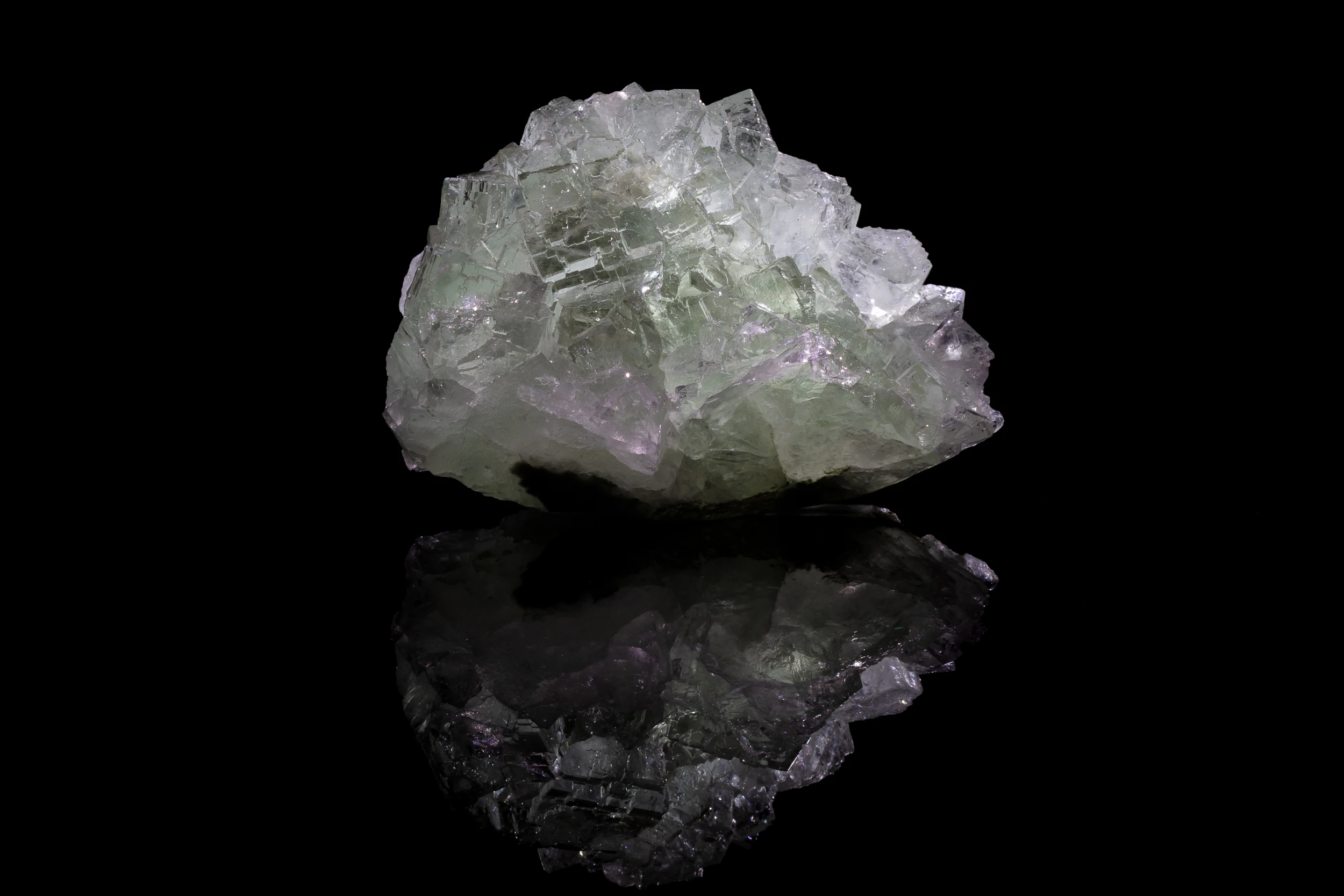
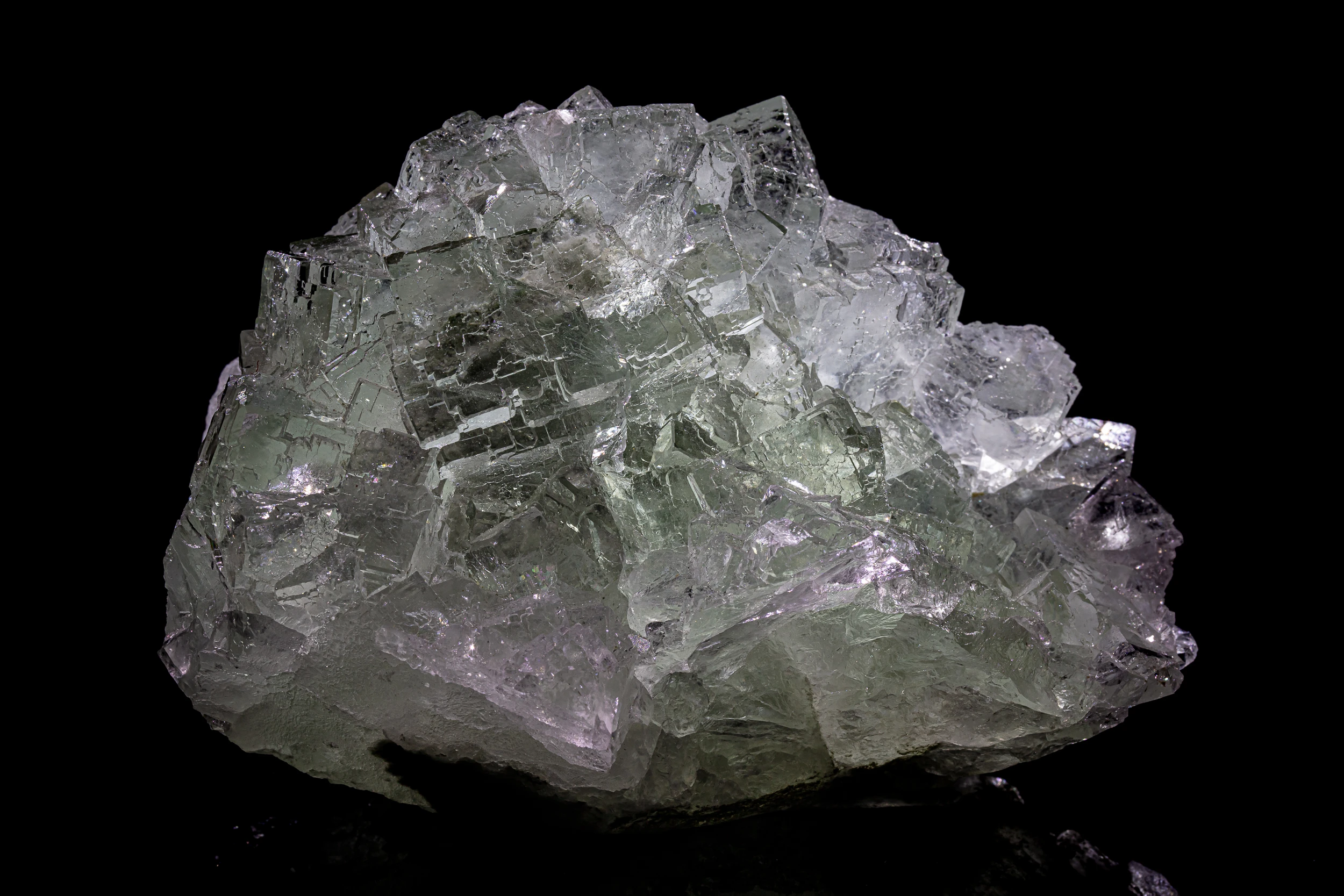
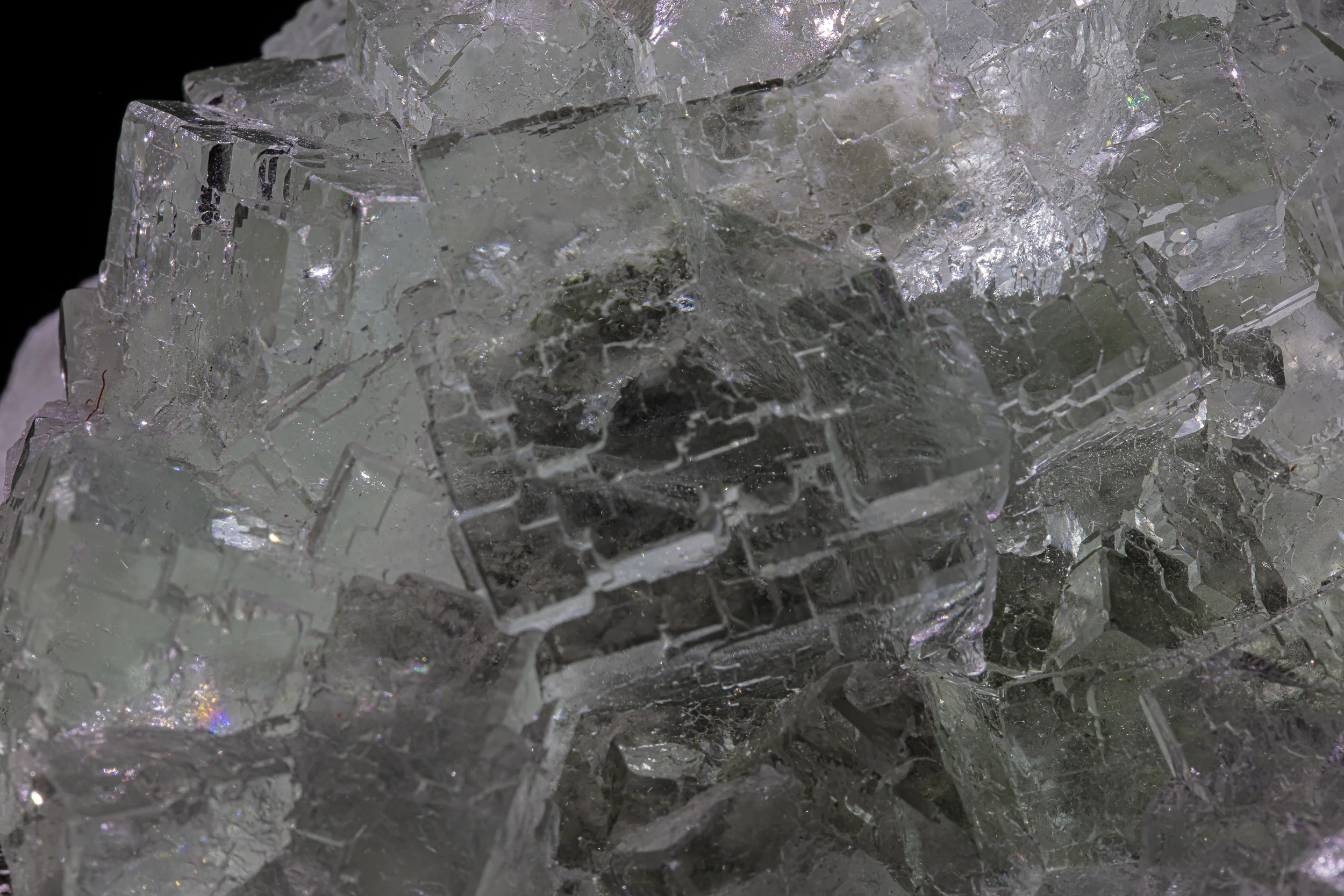
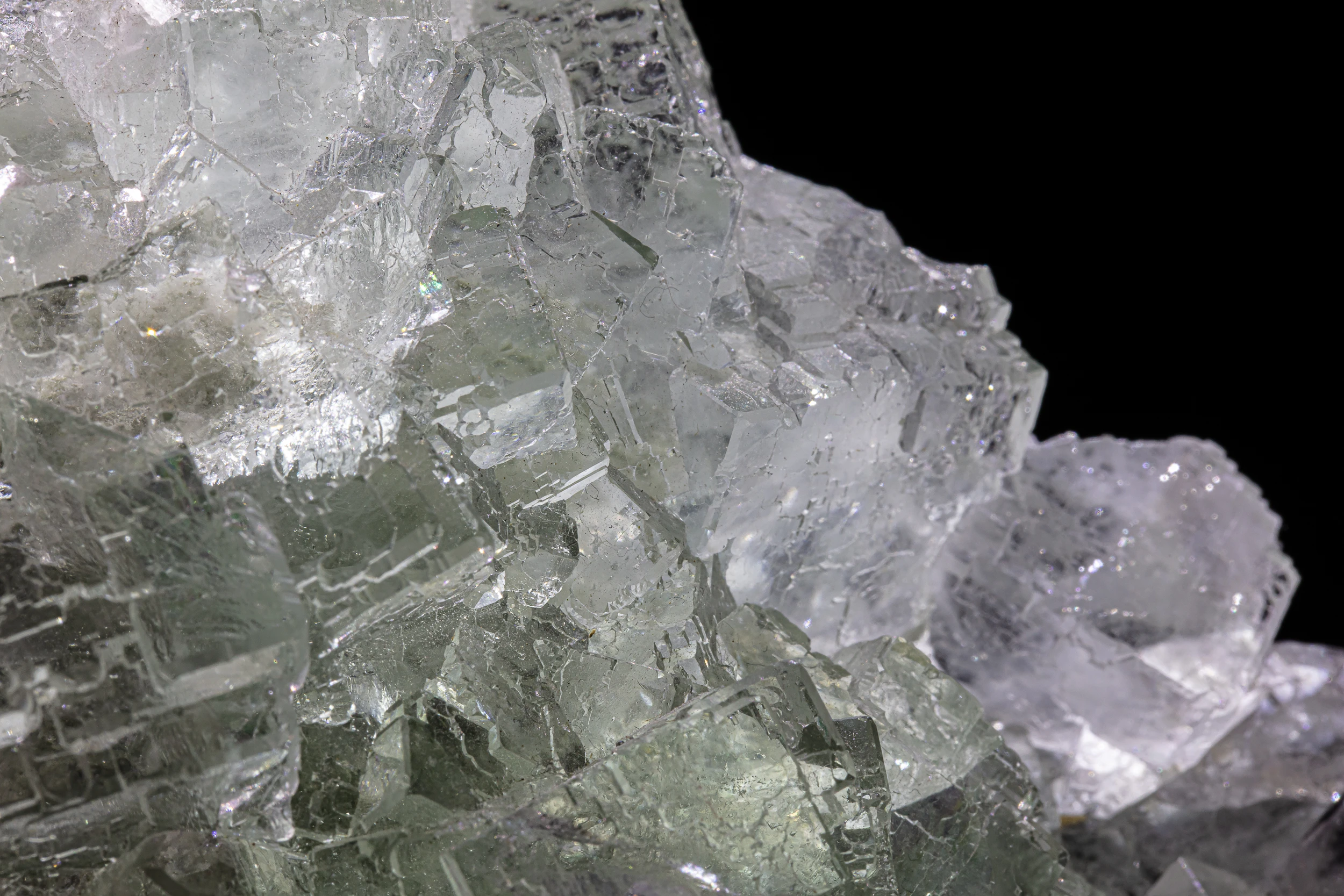
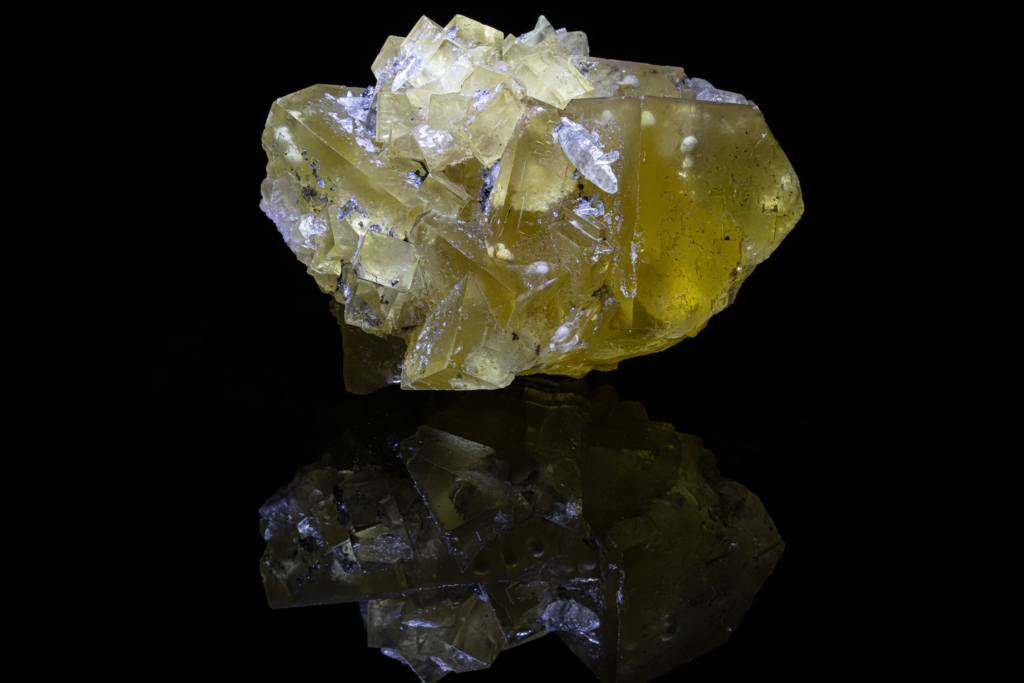
This specimen comes from the Xianghualing Mine in Linwu County, Hunan Province, southern China, part of a large tin deposit. The name Xianghualing means "fragrant flower ridge," and it gave its name to hsianghualite, a rare beryllium mineral discovered here in 1958. It was the first new mineral species ever discovered in China. Here, dozens of glassy, nearly colorless fluorite cubes with a faint green tint are packed into a rounded cluster, the kind of clear fluorite collectors call "ice cubes." Inside the crystals, the outlines of stacked cubes show how they grew.

Mineral Species

Did you know?

Fluorite gave fluorescence its name. In 1852 the physicist George Stokes, studying the mineral's glow under invisible light, coined the word for the whole phenomenon after the stone itself.