Ruby

The Specimen

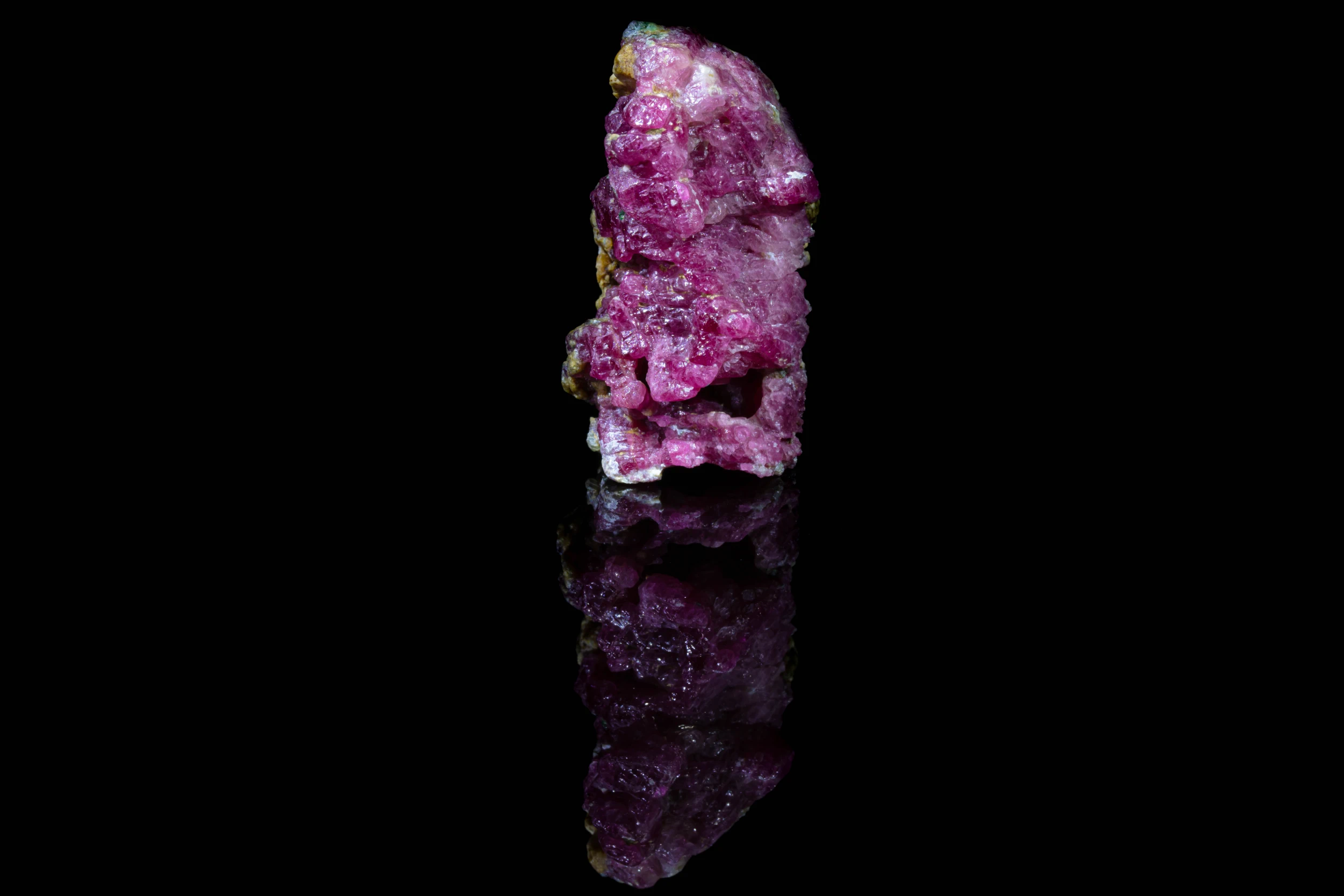
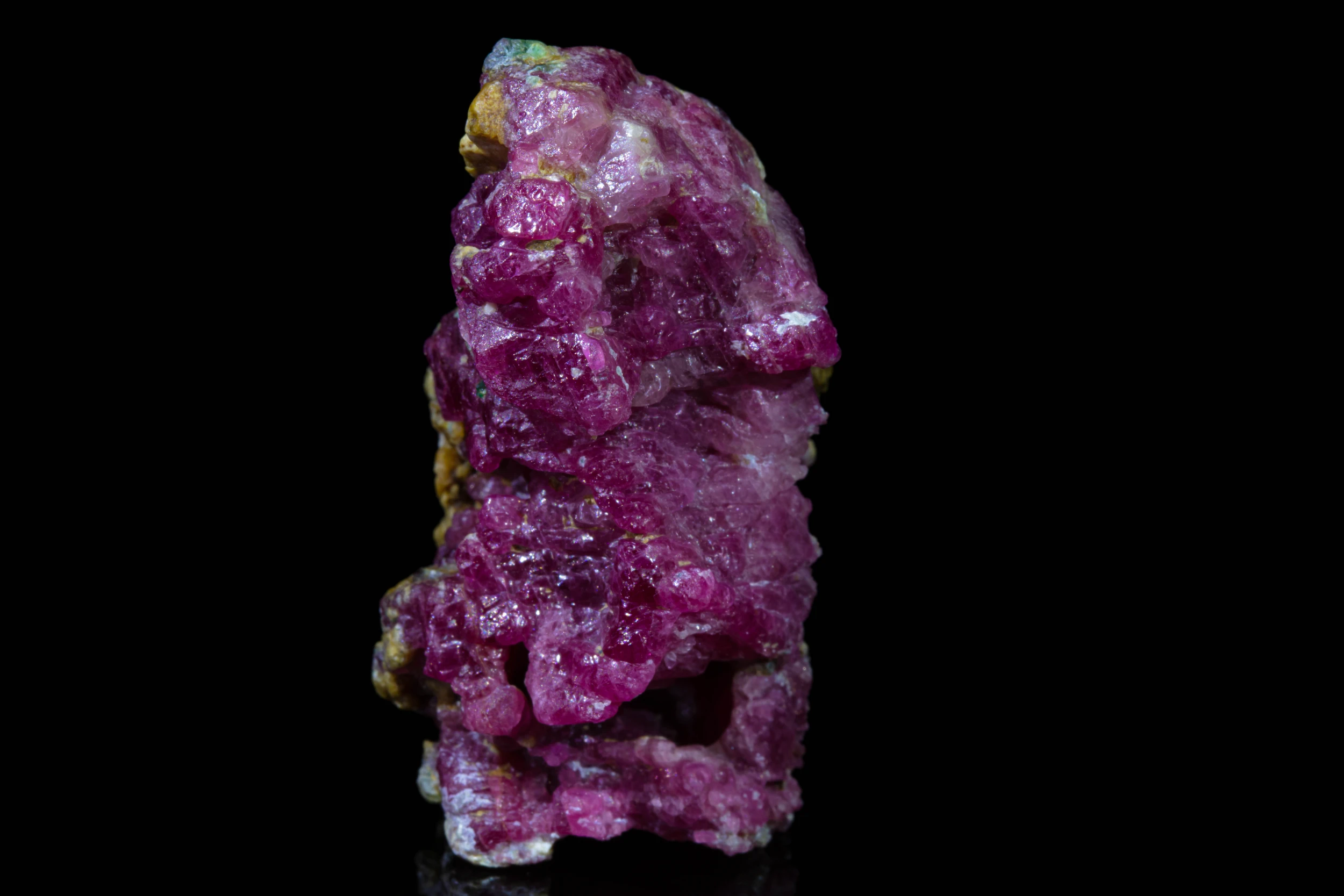
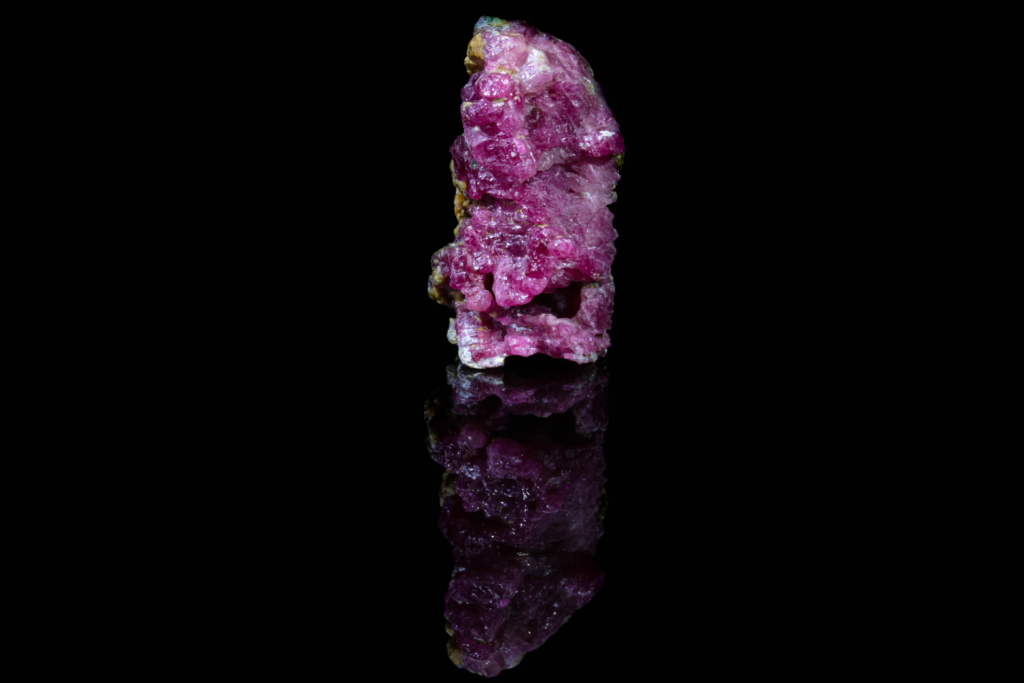
Cabinet: Small Cabinet (4.5 - 7 cm) – Size: 4.5 x 2.8 x 2.7 cm. Origin: Pein-Pyit, Mandalay Region – Myanmar

Notes

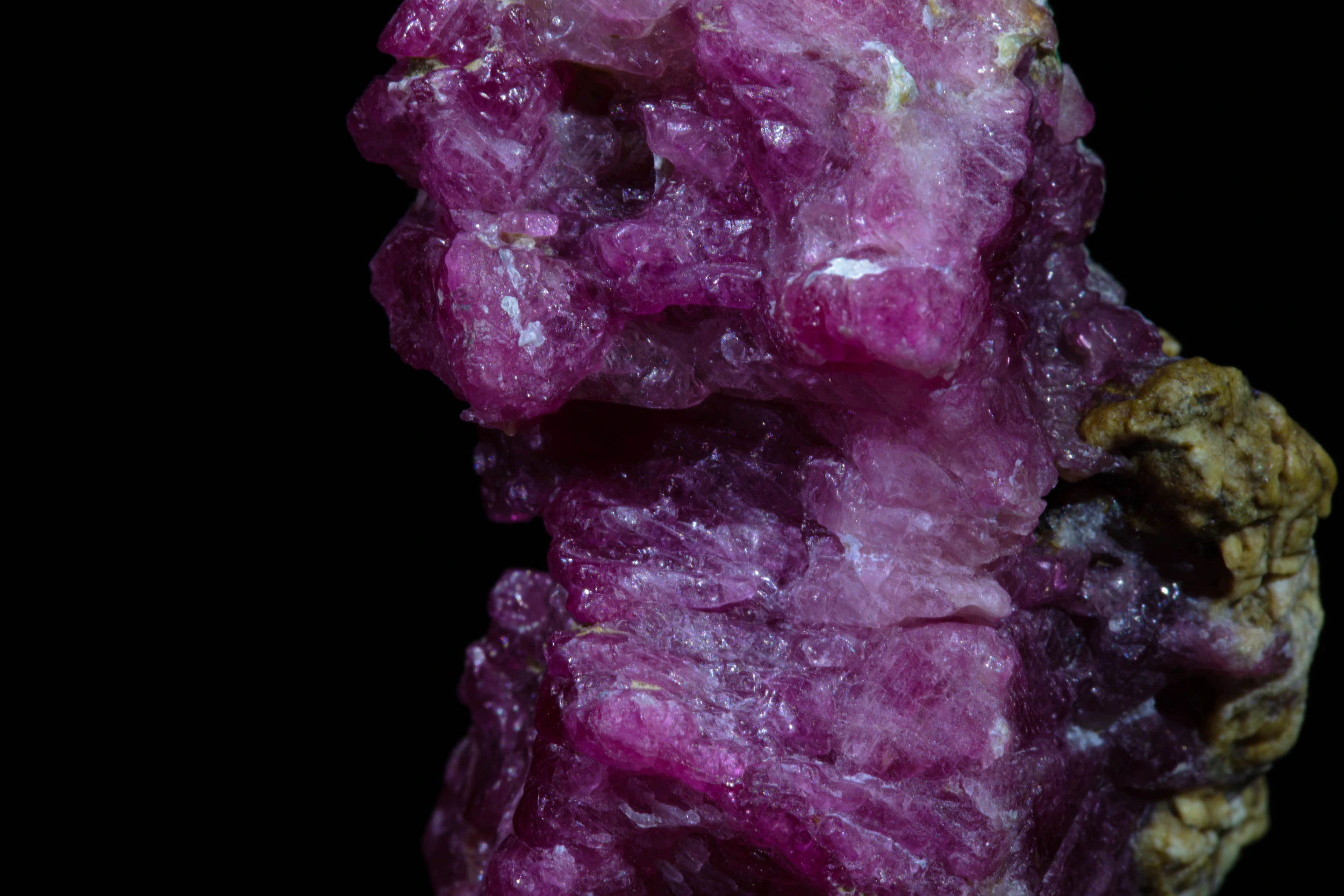
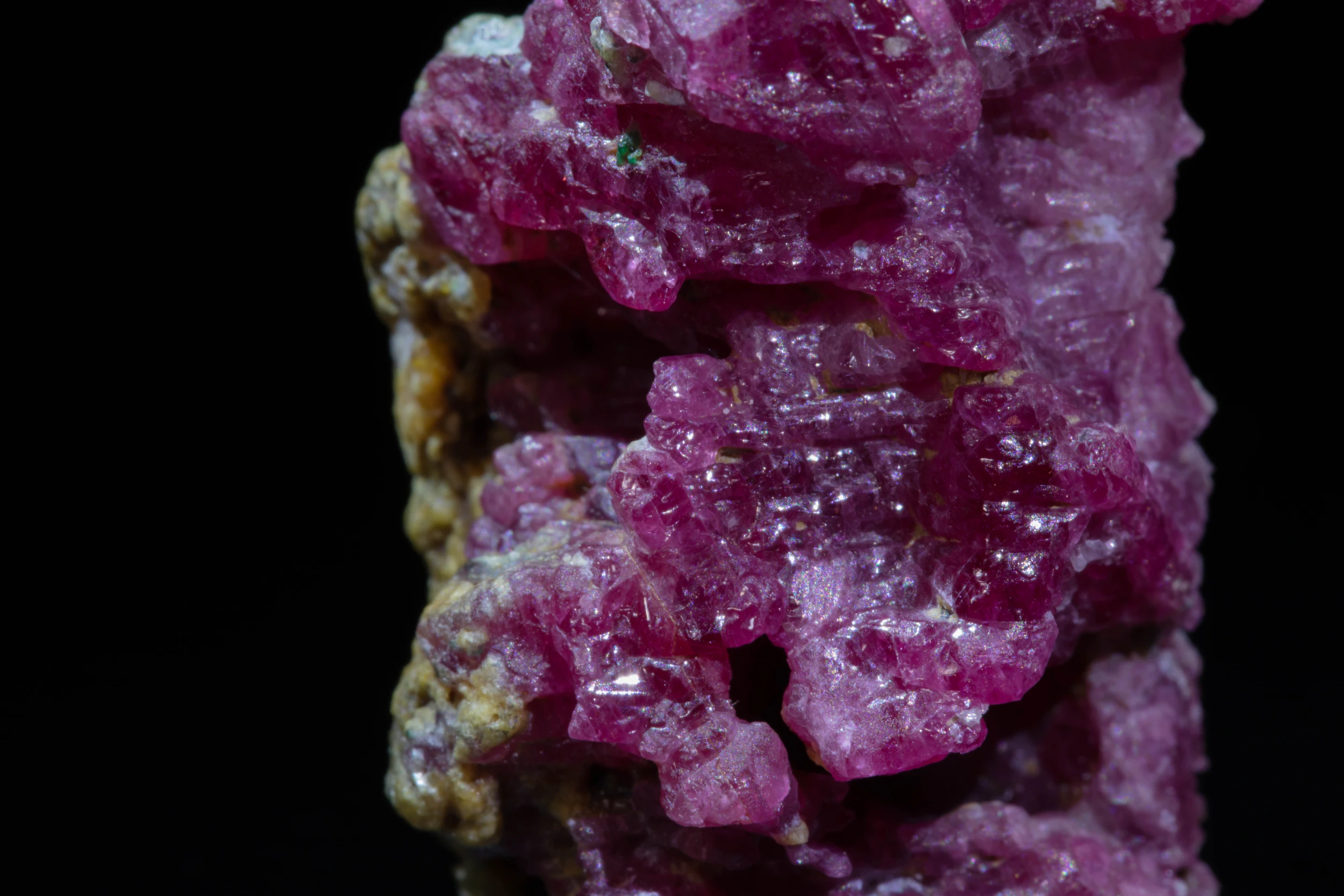
Instead of a single neat crystal, this ruby forms a rough column of stacked, rounded crystals that have grown into one another, so closely that it is hard to tell where one ends and the next begins. The color is a deep raspberry red with good translucency, set against a little yellow-brown matrix. It comes from the Mogok Stone Tract, the marble belt of northern Myanmar that has supplied the world's finest rubies for centuries. Marble is poor in iron, and iron is what dims a ruby's glow, so the chromium that colors these stones is free to fluoresce: Burmese rubies can light up red even in daylight. According to the dealer, this piece shows an intense hot pink-red fluorescence under long-wave UV light.

Mineral Species

Al2O3
Elements: Aluminum, Oxygen
Class: Oxides
Crystal System: Trigonal
Hardness: 9
Corundum
Talc (1)Diamond (10)
Among the hardest minerals. Only diamond is harder.

Did you know?

Look inside a mechanical watch and you will find rubies. The tiny bearings that its moving parts turn on, the jewels a watch is counted by, are synthetic ruby, chosen because it is hard, smooth, and wears almost forever. The same stone set in a crown does humble, hidden work keeping time.