Strunz Classification
The Strunz system divides minerals into 10 classes based on their dominant chemical anion or bond type, from pure metallic elements to complex silicates. Developed by mineralogist Hugo Strunz in 1941 and maintained by the IMA, it is the universal reference in scientific mineralogy. The colored number on each card is the Strunz class number.
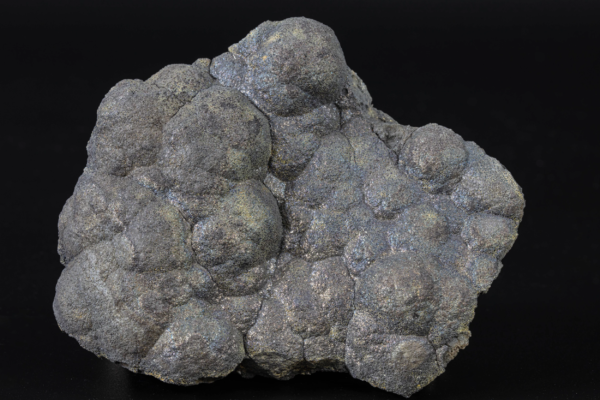
Native Elements
Gold, Copper, Sulfur, Diamond
4 minerals
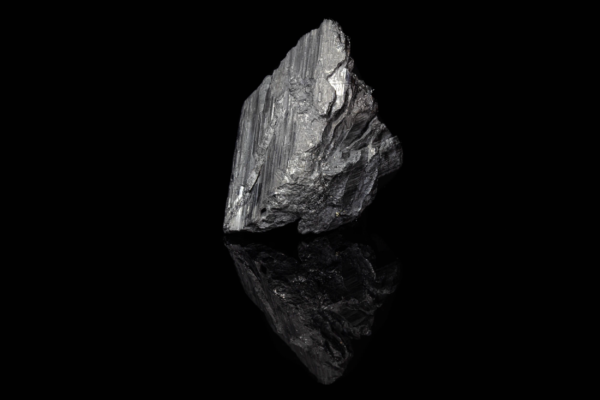
Sulfides
Pyrite, Galena, Chalcopyrite, Sphalerite
26 minerals
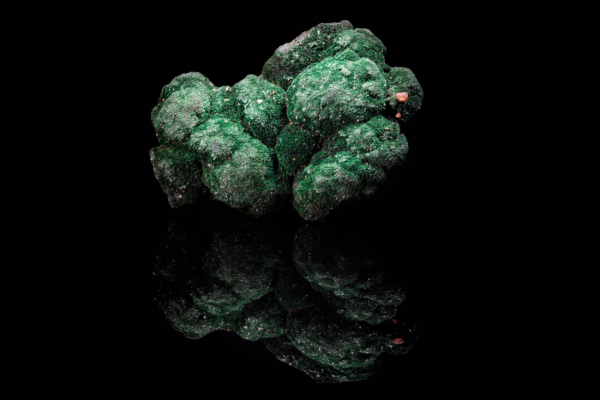
Halides
Fluorite, Halite, Sylvite
30 minerals
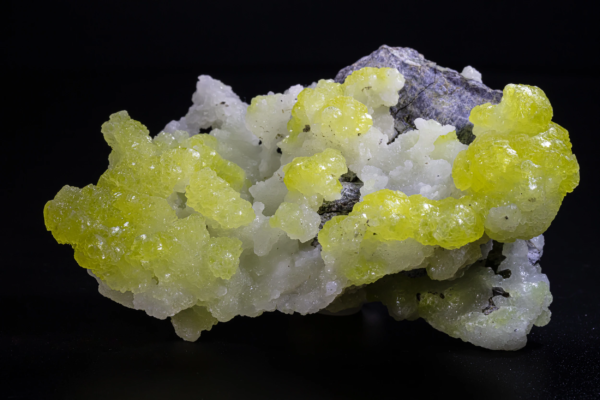
Oxides
Quartz, Corundum, Hematite, Rutile
21 minerals
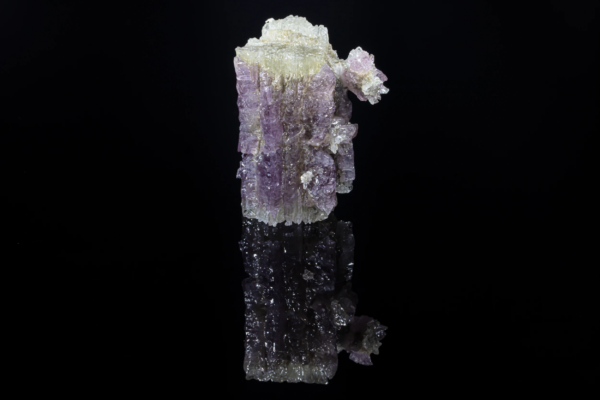
Carbonates
Calcite, Malachite, Azurite, Rhodochrosite
33 minerals
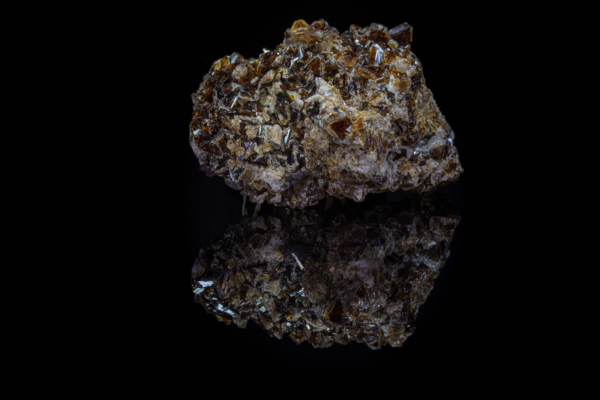
Borates
Borax, Howlite, Ulexite
1 mineral
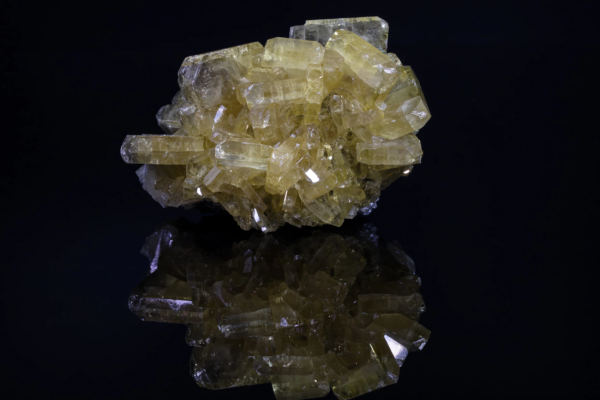
Sulfates
Barite, Gypsum, Celestite, Anglesite
11 minerals
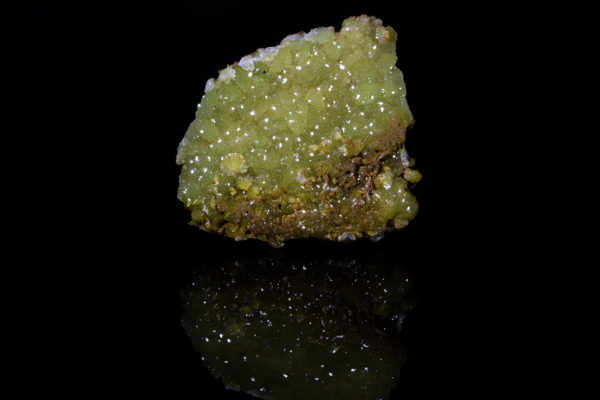
Arsenates
Apatite, Turquoise, Vivianite, Pyromorphite
5 minerals
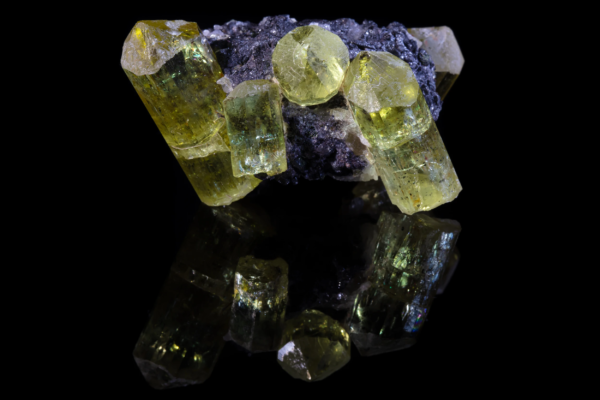
Phosphates
Apatite, Turquoise, Vivianite, Pyromorphite
8 minerals
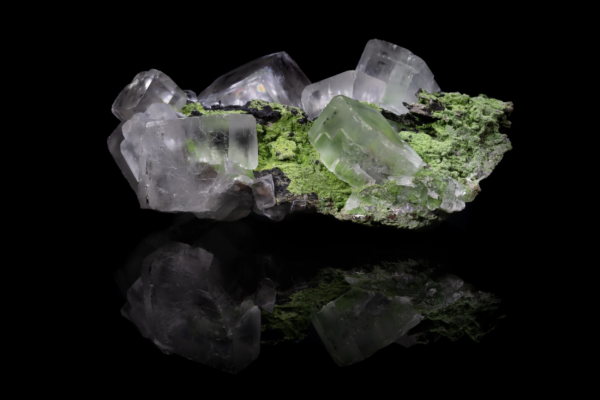
Vanadates
Apatite, Turquoise, Vivianite, Pyromorphite
4 minerals
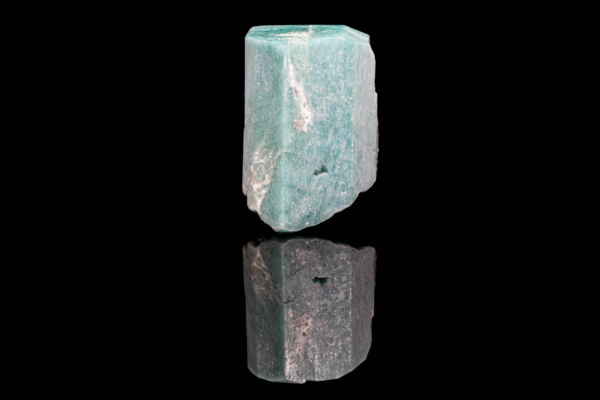
Silicates
Quartz, Feldspar, Tourmaline, Garnet, Mica
67 minerals
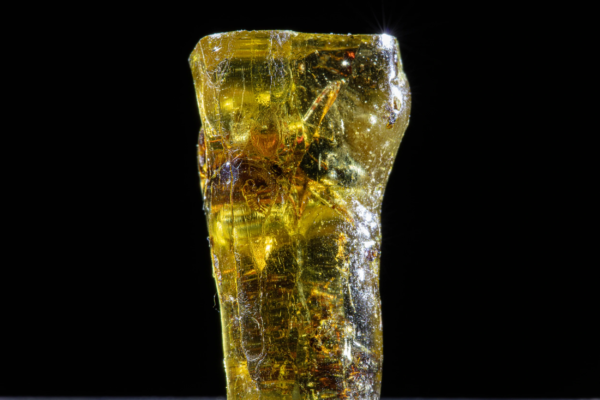
Organics
Amber, Jet, Whewellite
1 mineral
Special categories
These specimens fall outside the standard Strunz mineralogical classification.
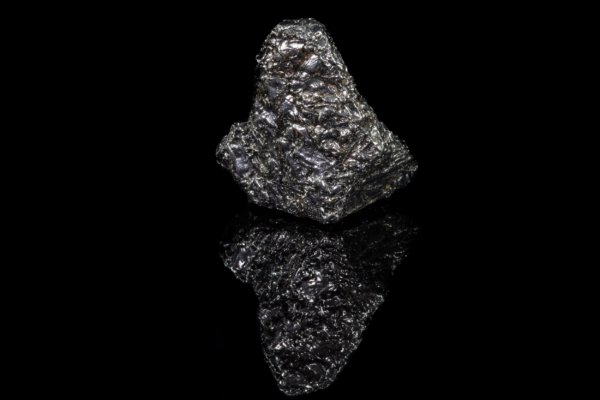
Meteorite
Extraterrestrial material that has fallen to Earth. Includes chondrites, achondrites, iron meteorites and stony-iron types. Not part of the Strunz classification.
1 specimen
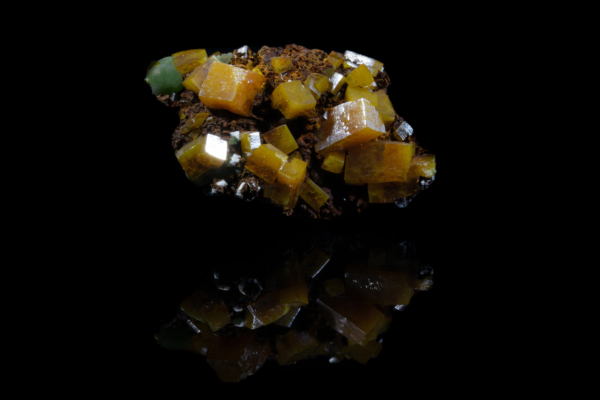
Molybdates
Minerals containing the molybdate anion MoO₄²⁻. Typically form in oxidized zones of Mo-bearing ore deposits. Includes Wulfenite and Powellite. Strunz sub-group 7.
1 specimen
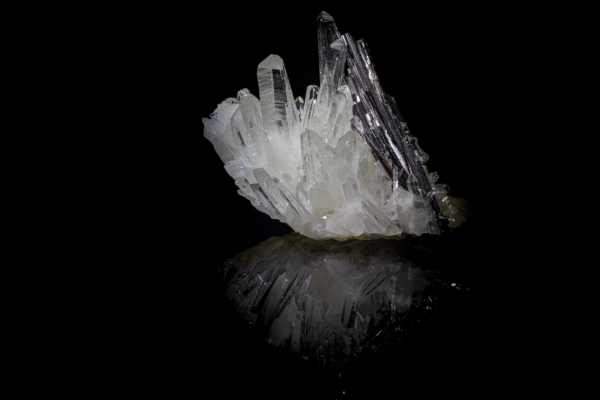
Tungstates
Minerals containing the tungstate anion WO₄²⁻. Found in oxidized zones of W-bearing deposits. Includes Scheelite and Wolframite. Strunz sub-group 7.
3 specimens