Fluorite

The Specimen

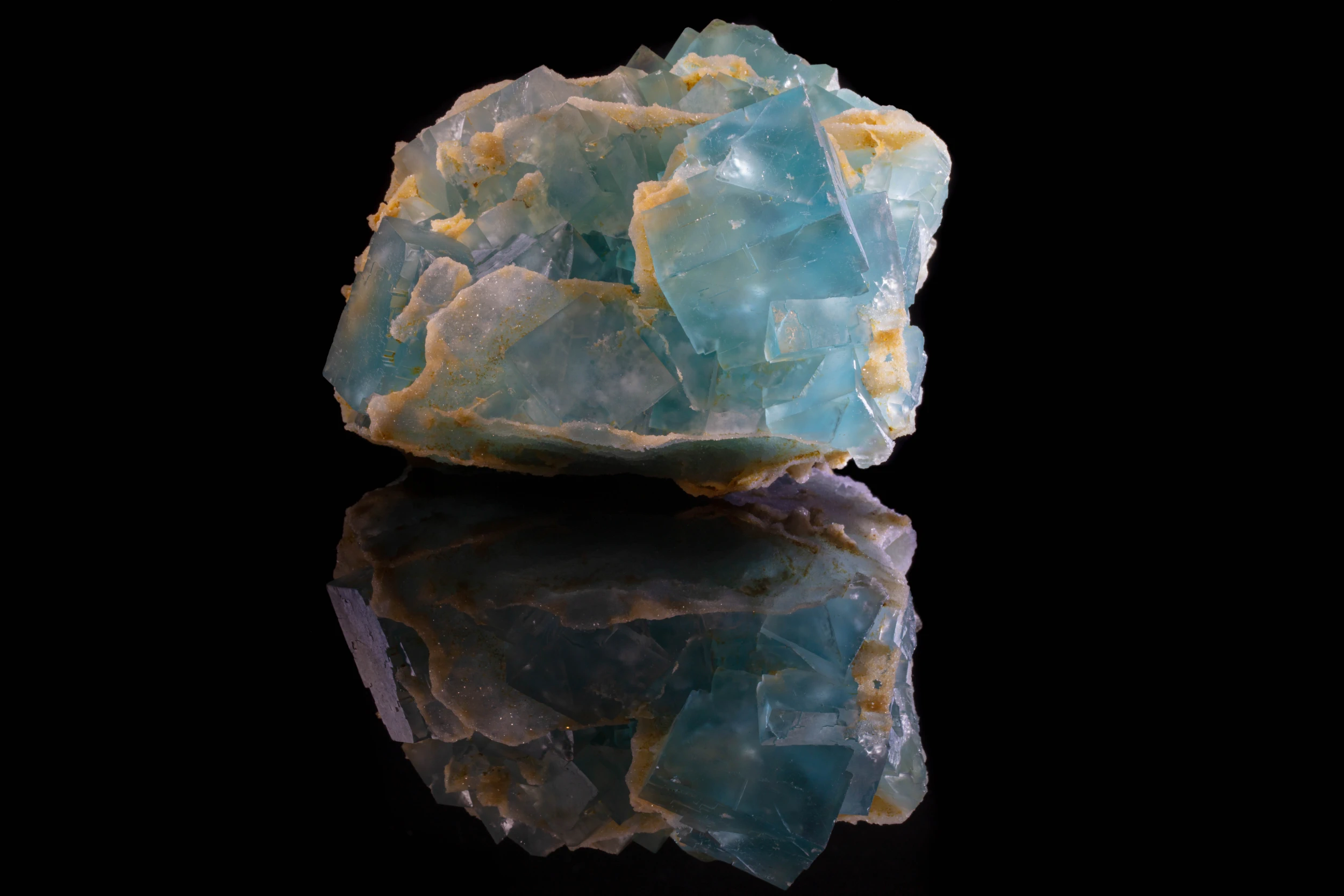
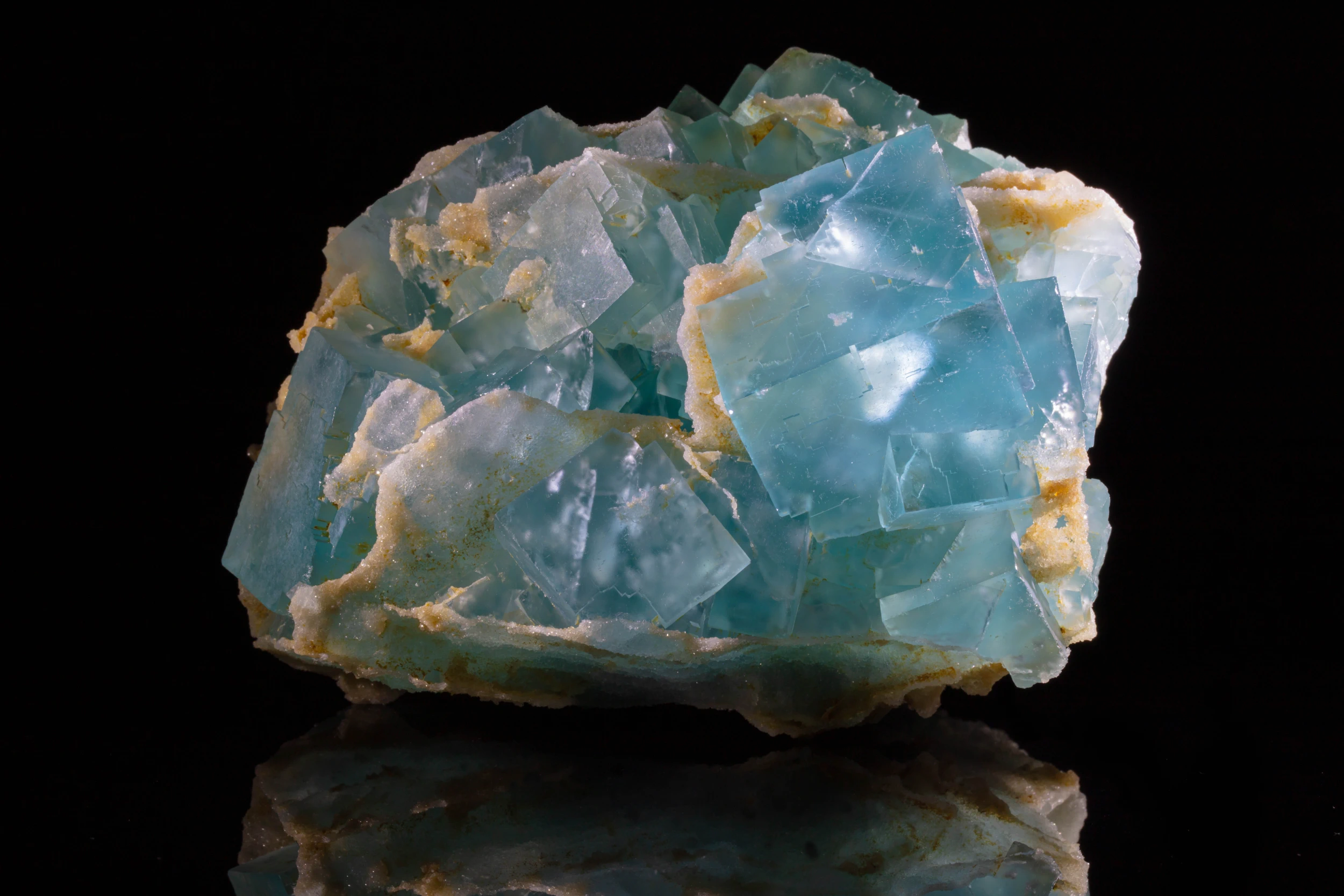
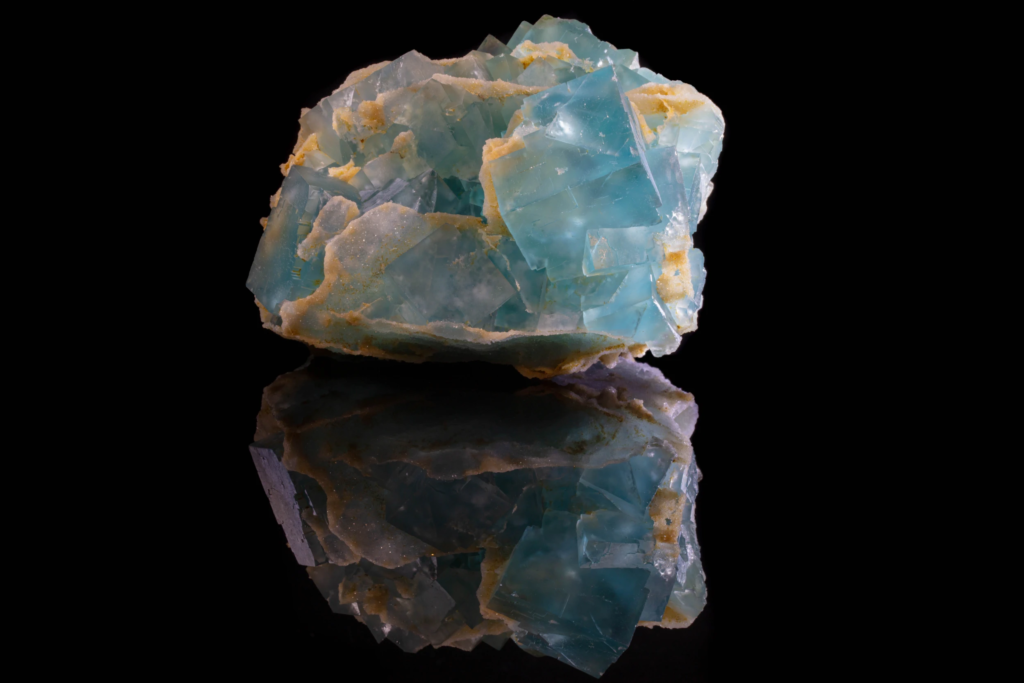
Cabinet: Large Cabinet (10 cm+) – Size: 16.0 x 14.0 x 8.5 cm Origin: Le Burg Mine, Paulinet, Albi, Tarn, Occitanie – France

Notes

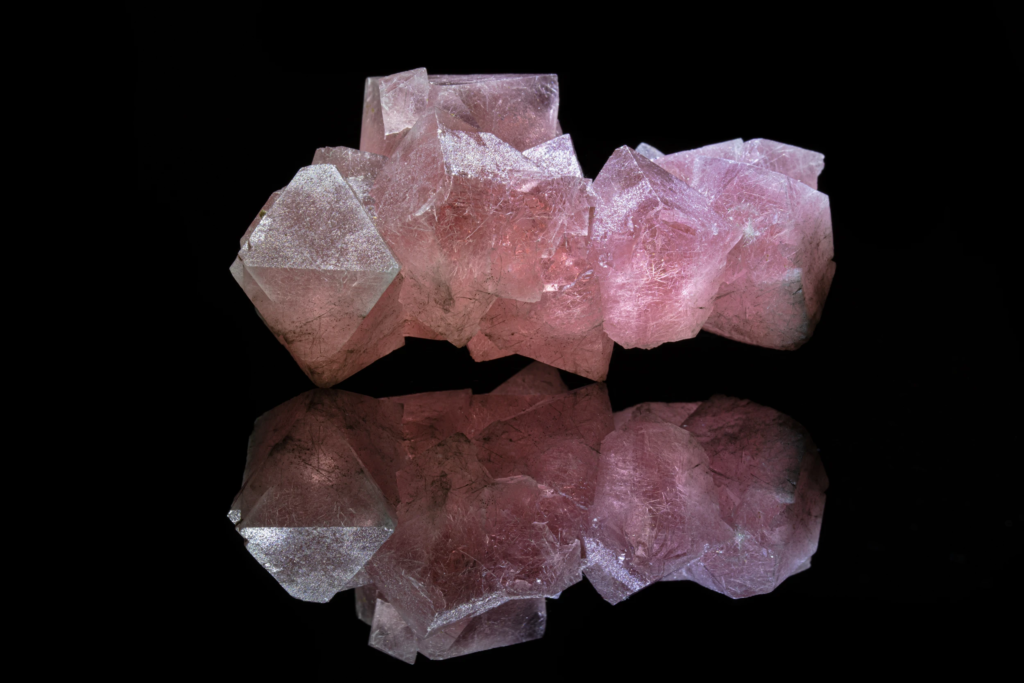
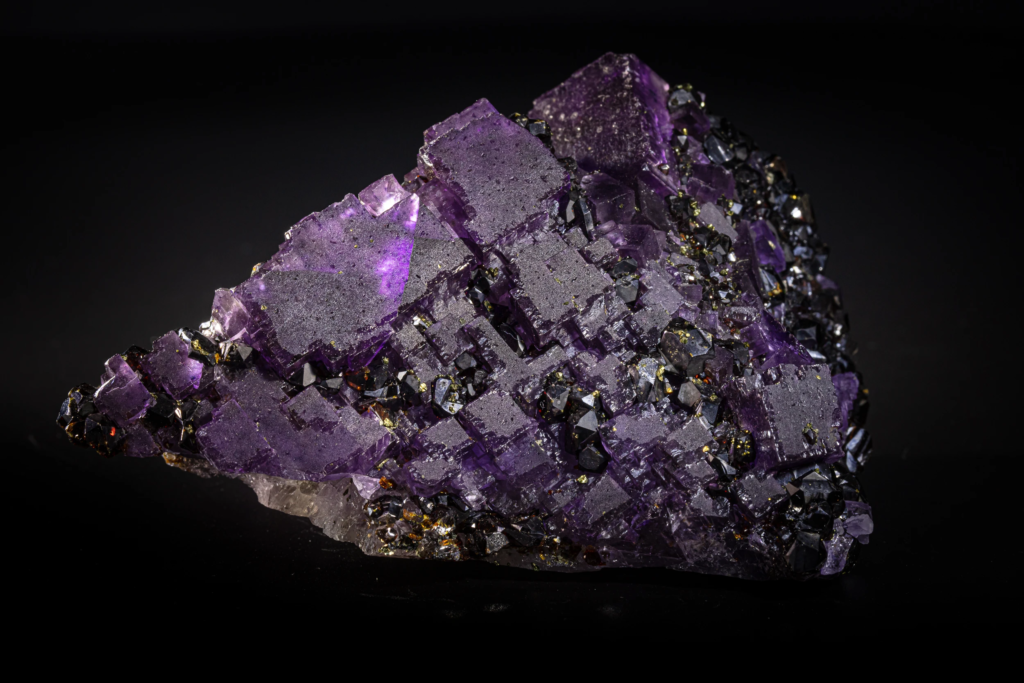
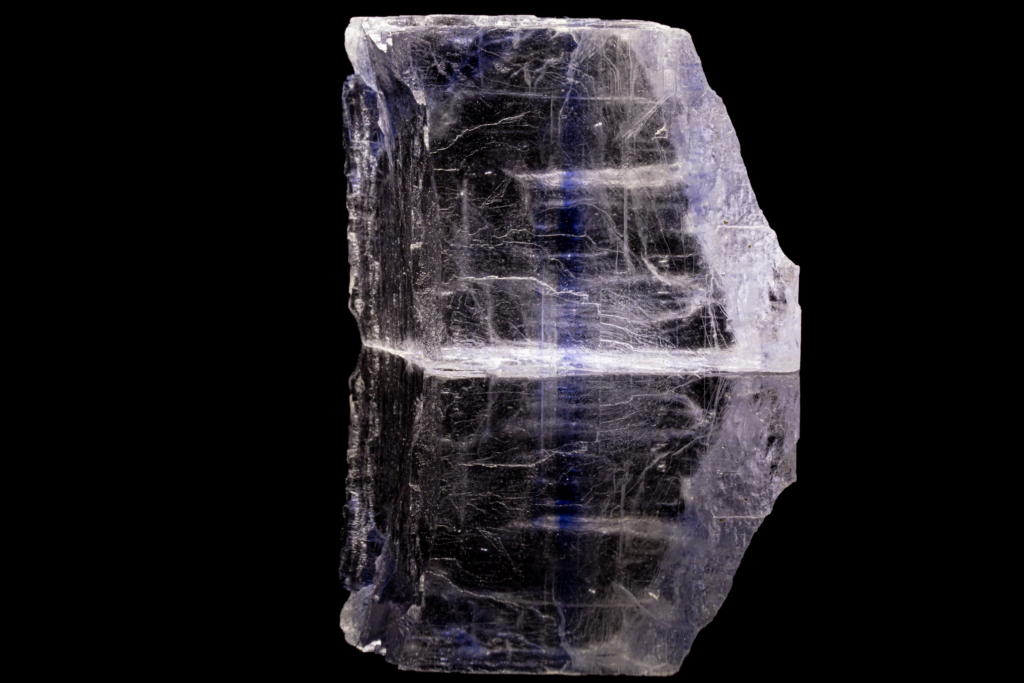
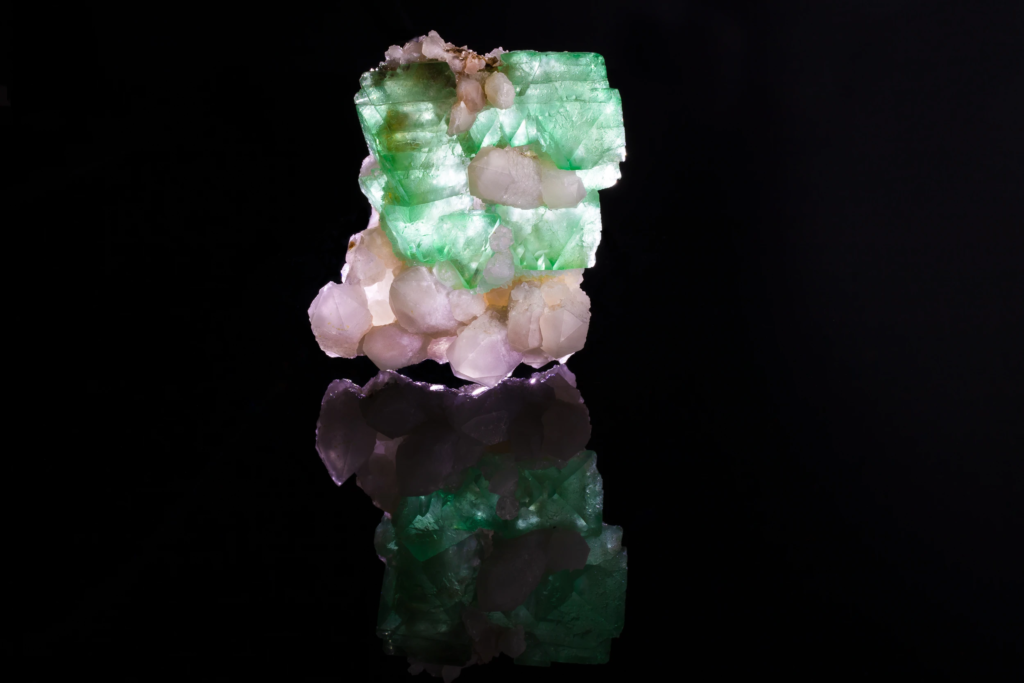
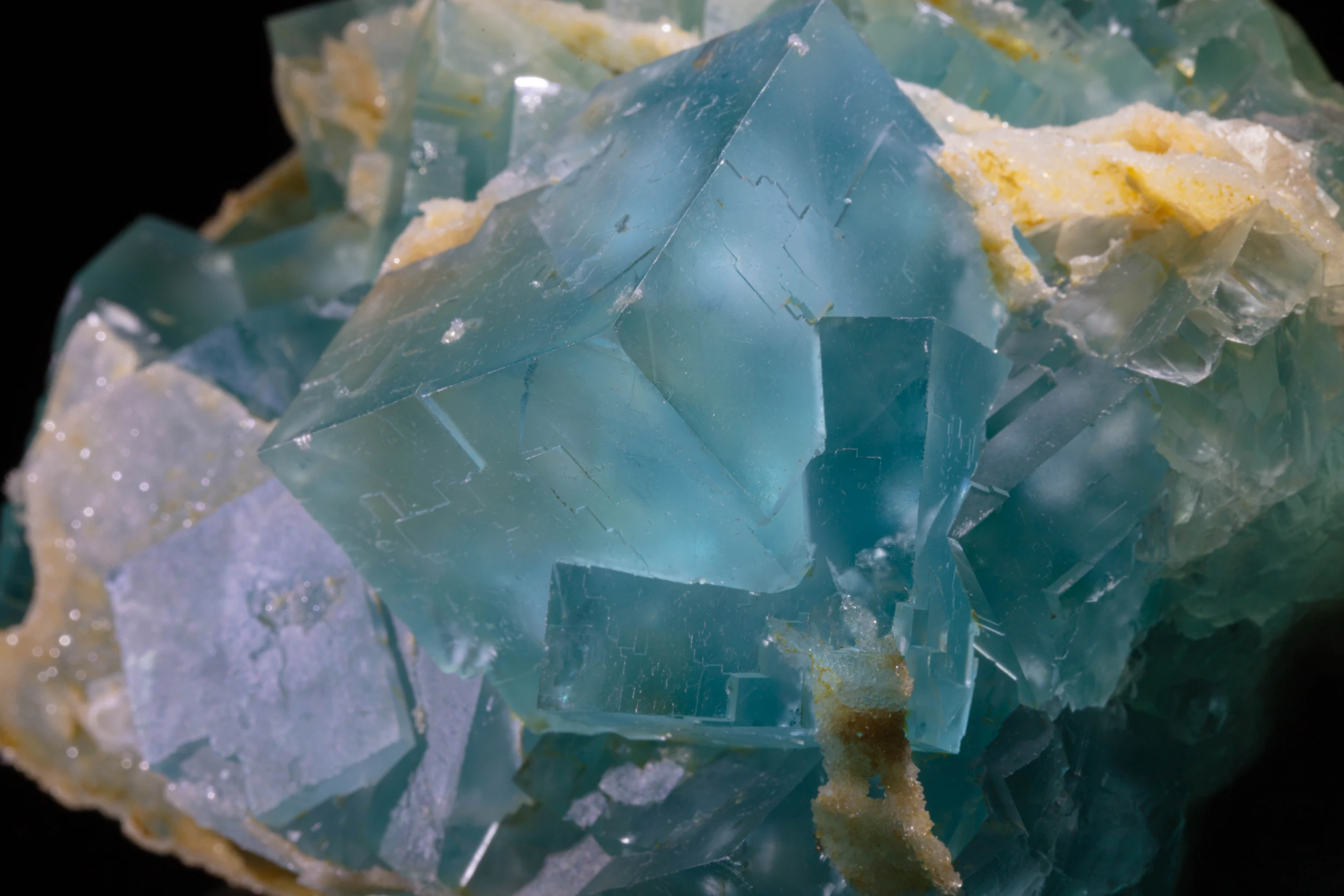
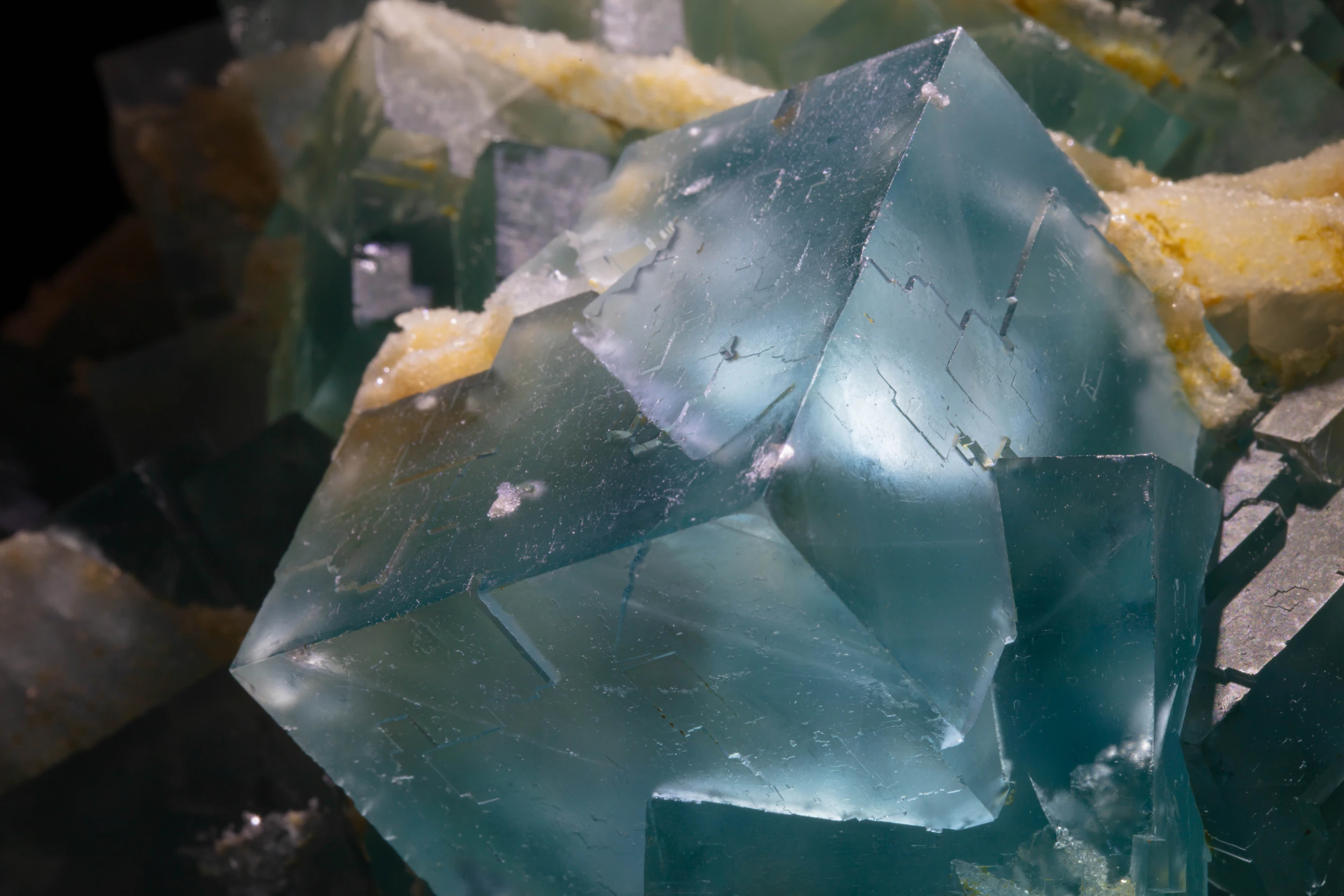
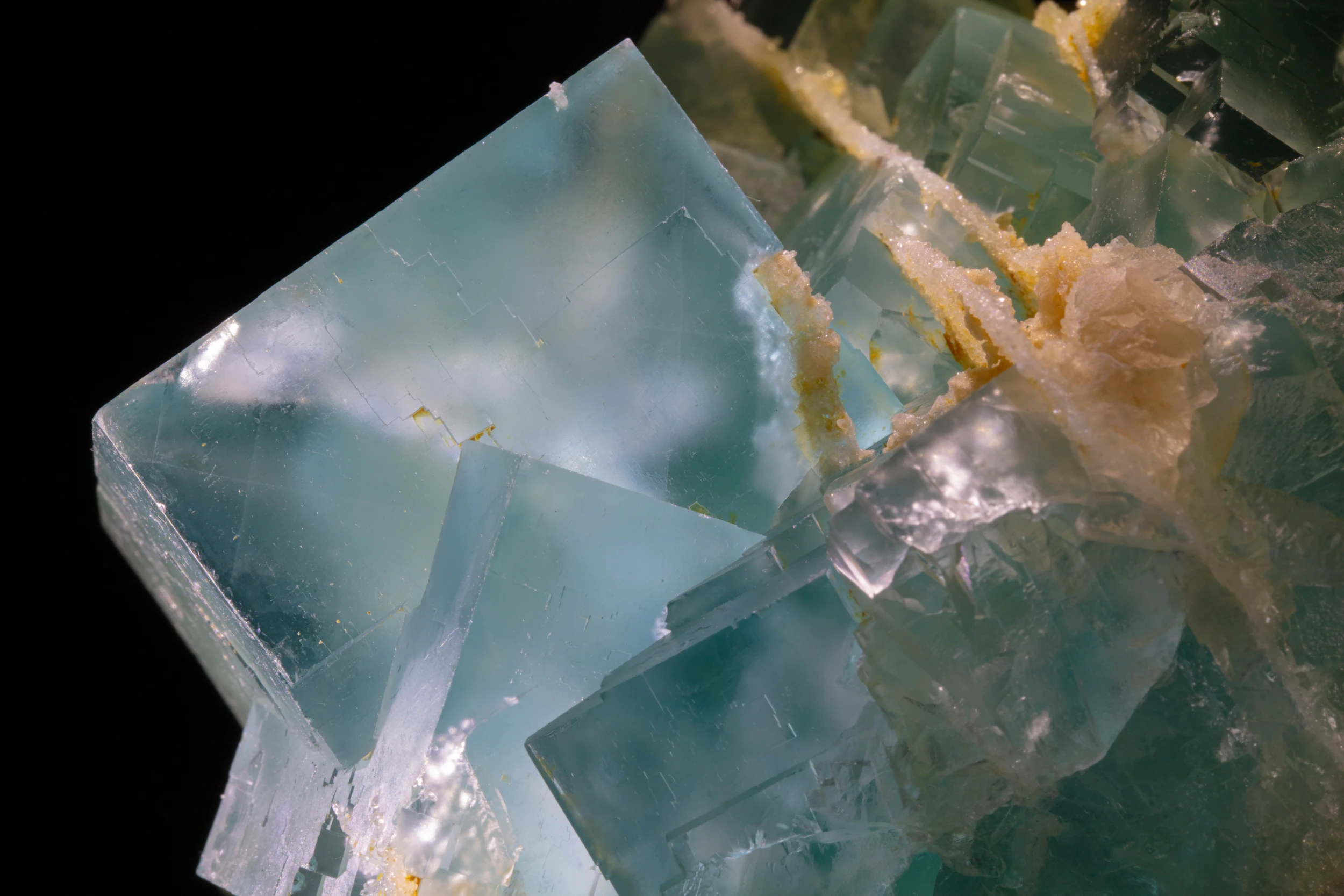
This specimen comes from the Le Burg Mine near Paulinet, in the Tarn region of southern France. Its fluorite vein, about 1,200 meters long, was already worked for copper in ancient times. It was rediscovered in 1945 and mined for fluorite from 1954 until April 2006, when it closed as the last underground fluorite mine in France. On old labels the name is sometimes written "Burc." Here, translucent blue fluorite cubes grow into one another, and the beige crust between them is probably siderite, an iron carbonate common in this vein. According to the seller's description, the blue color of some Le Burg fluorite is unstable and can slowly turn gray, even away from sunlight.

Mineral Species

Did you know?

Fluorite gave fluorescence its name. In 1852 the physicist George Stokes, studying the mineral's glow under invisible light, coined the word for the whole phenomenon after the stone itself.