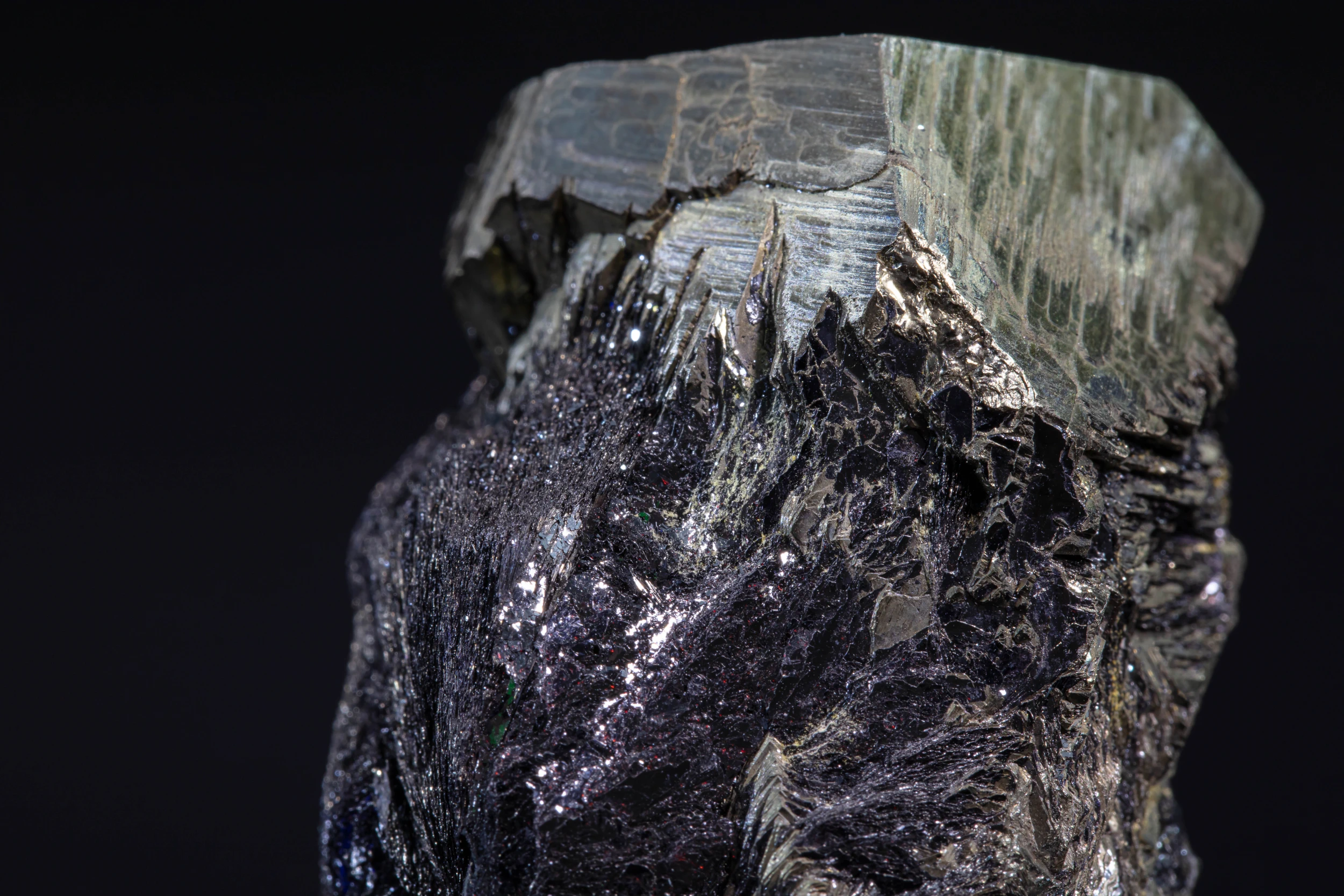
Pyrite on Hematite

The Specimen

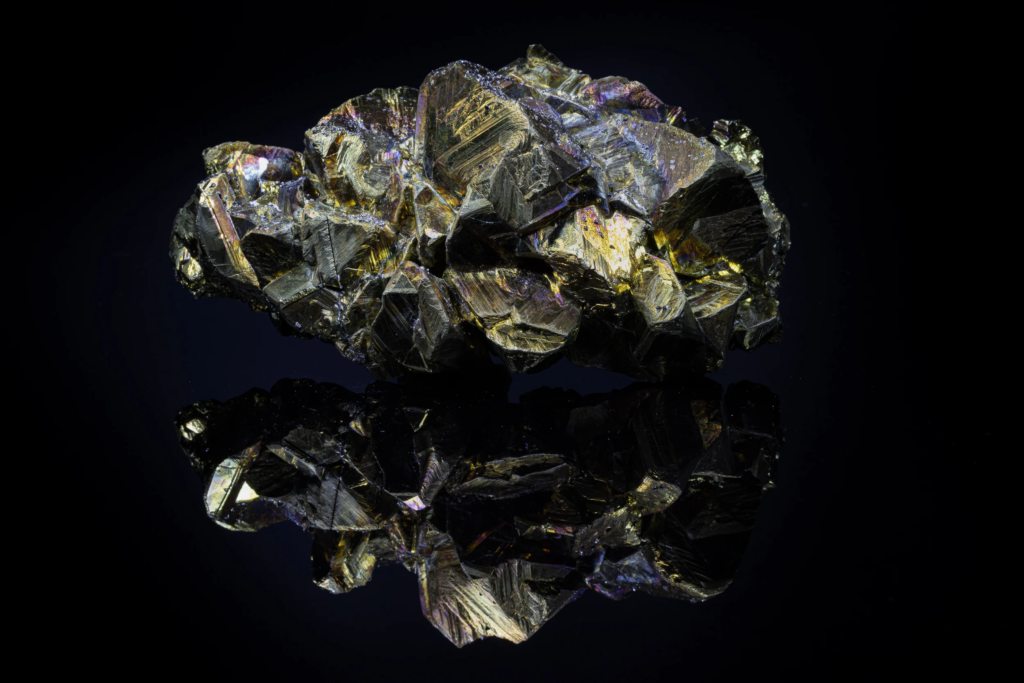
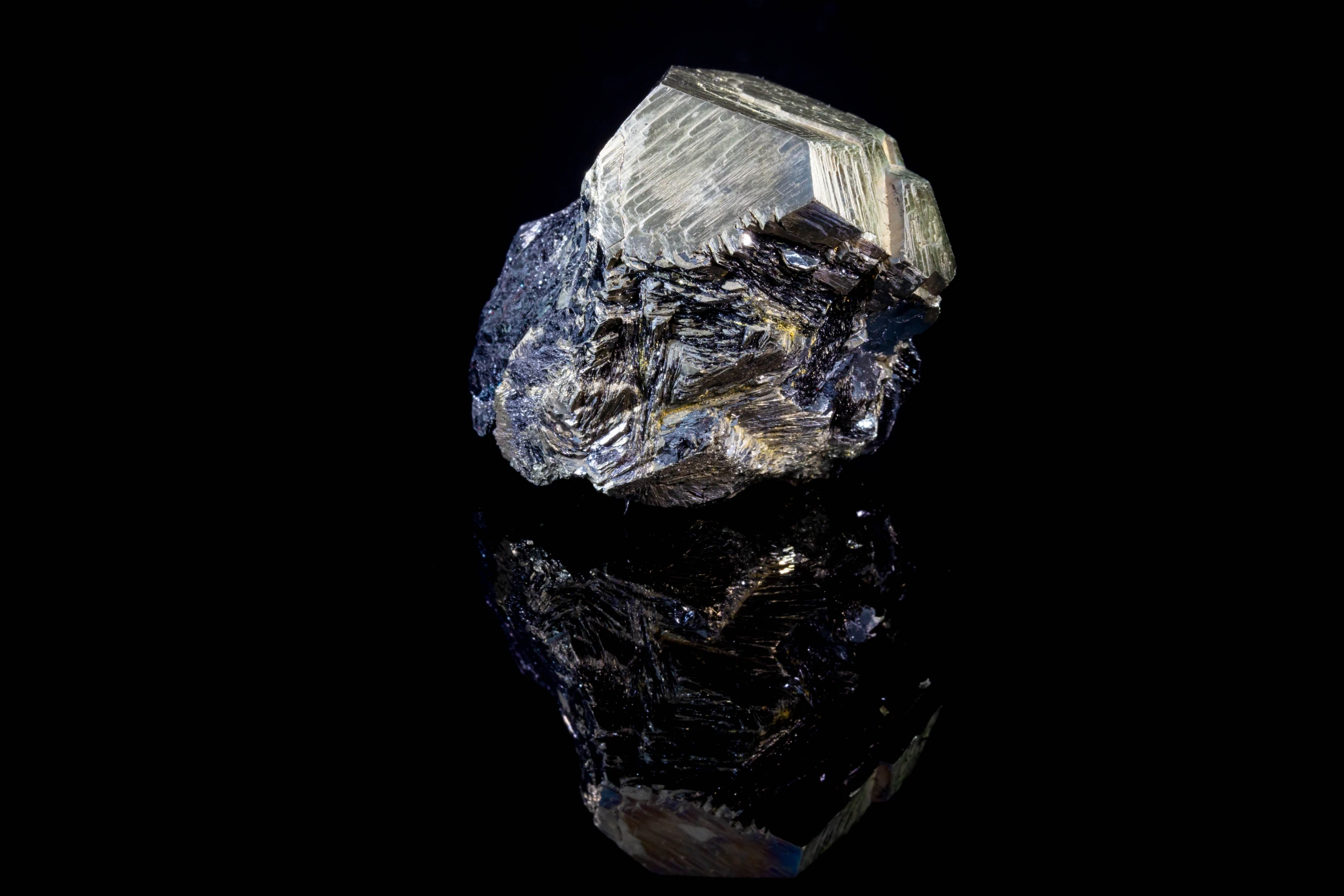
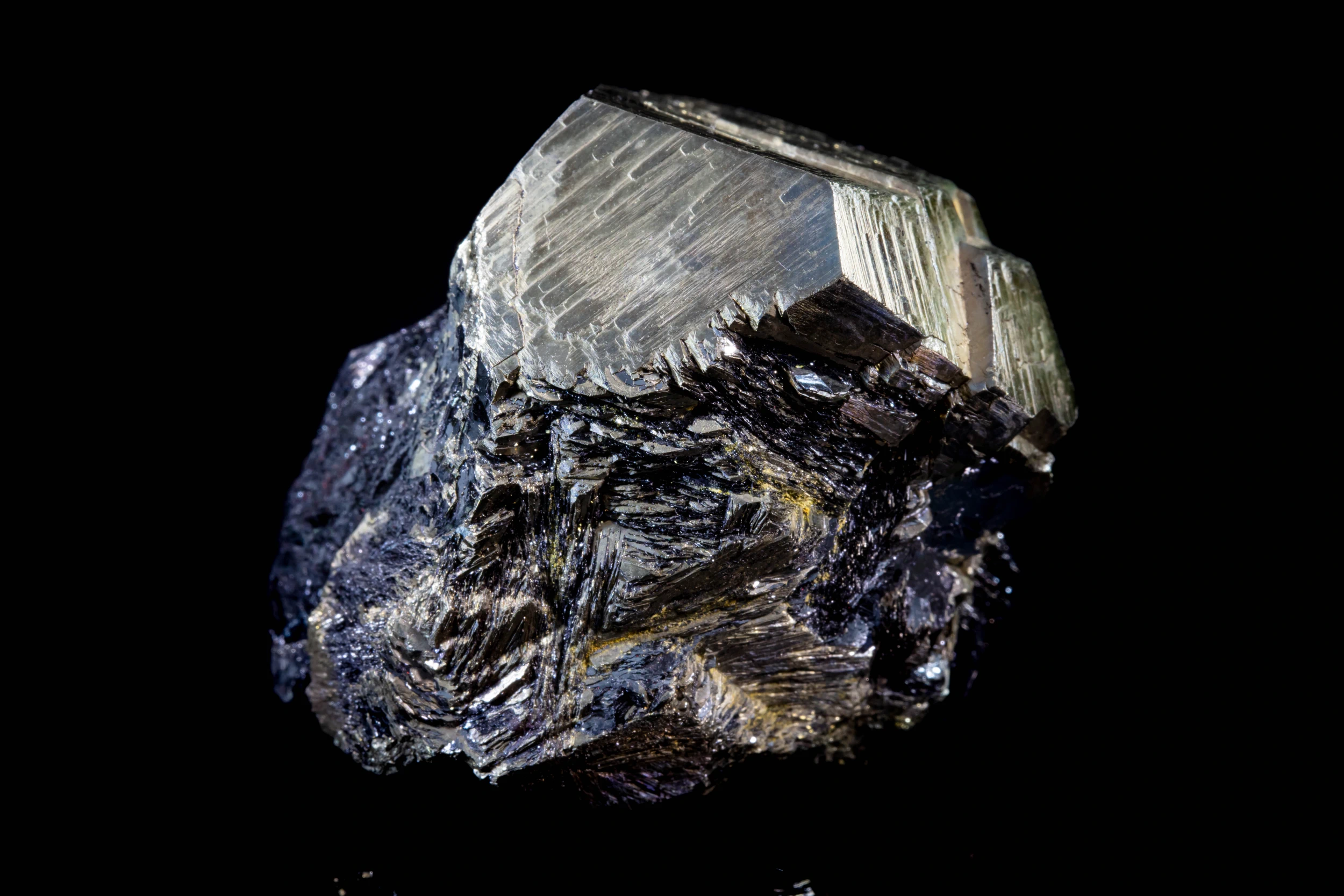
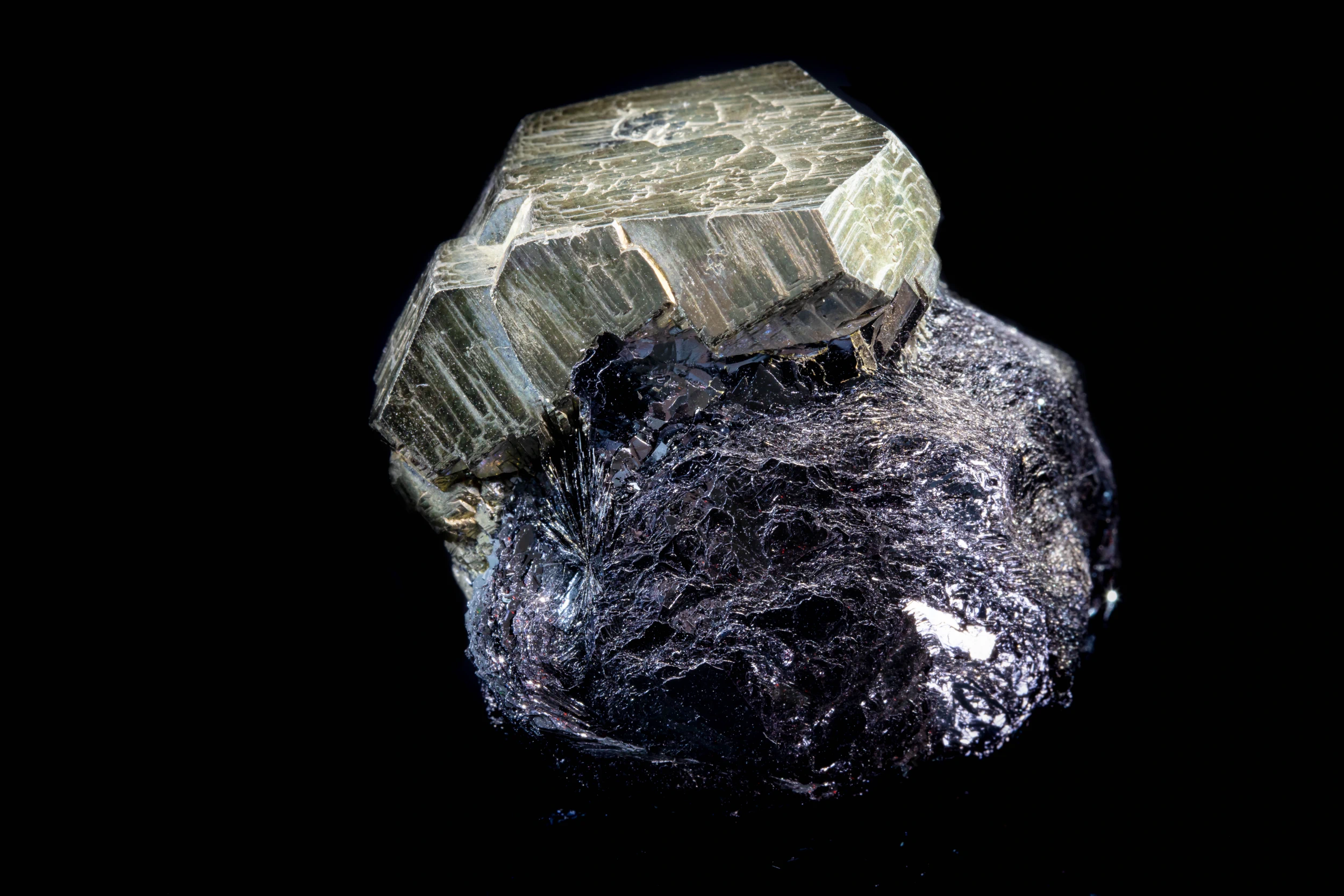
Cabinet: Miniature (2.5 - 4.5 cm) – Size: 3.8 x 3.6 x 3.3 cm Origin: Rio Marina, Elba Island, Livorno Province, Tuscany – Italy History: Ex Whitmore Collection

Notes

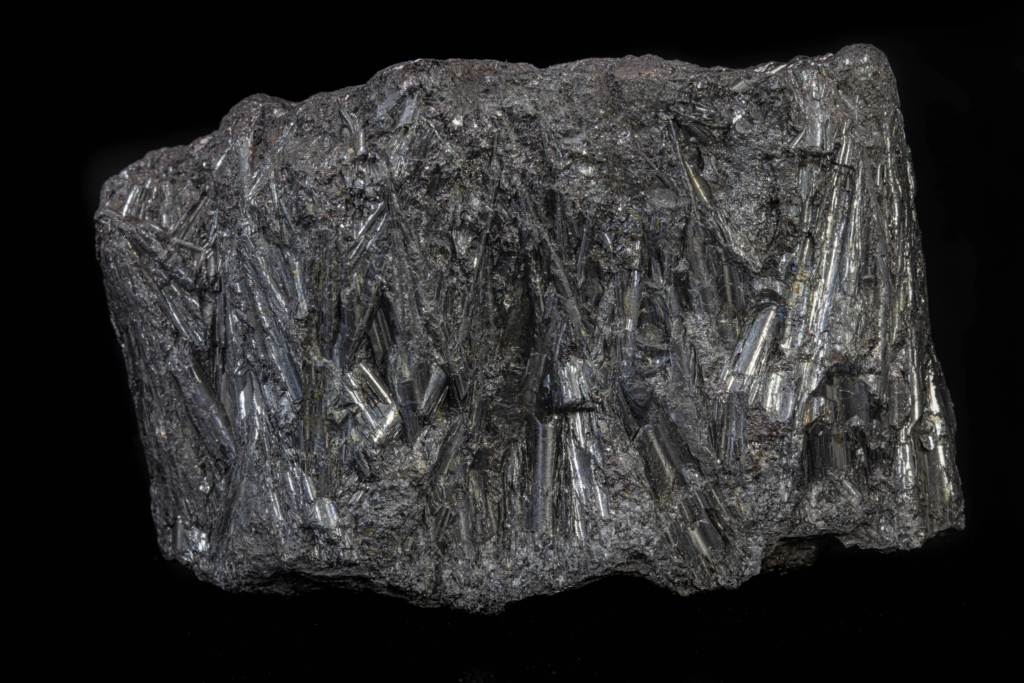
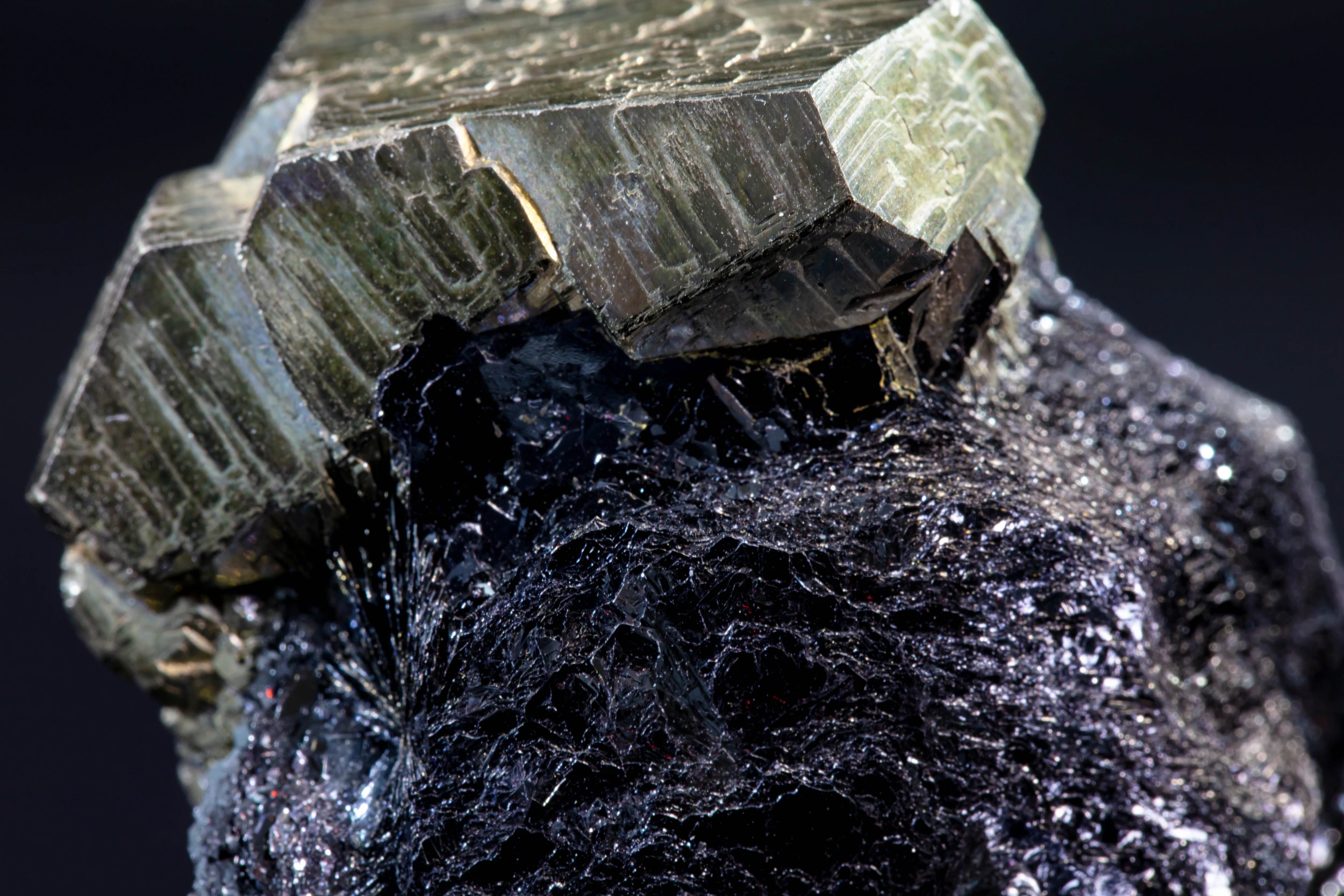
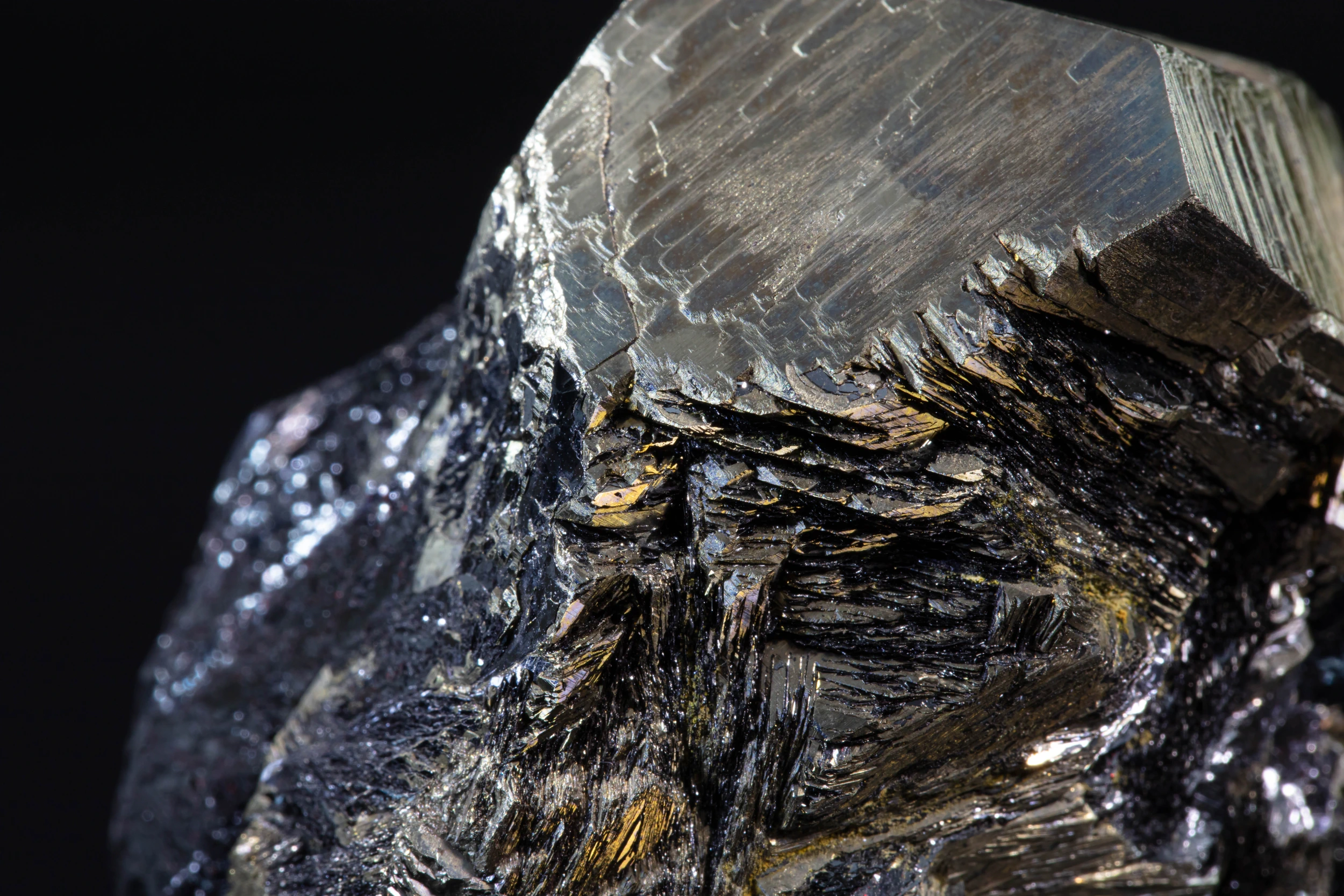
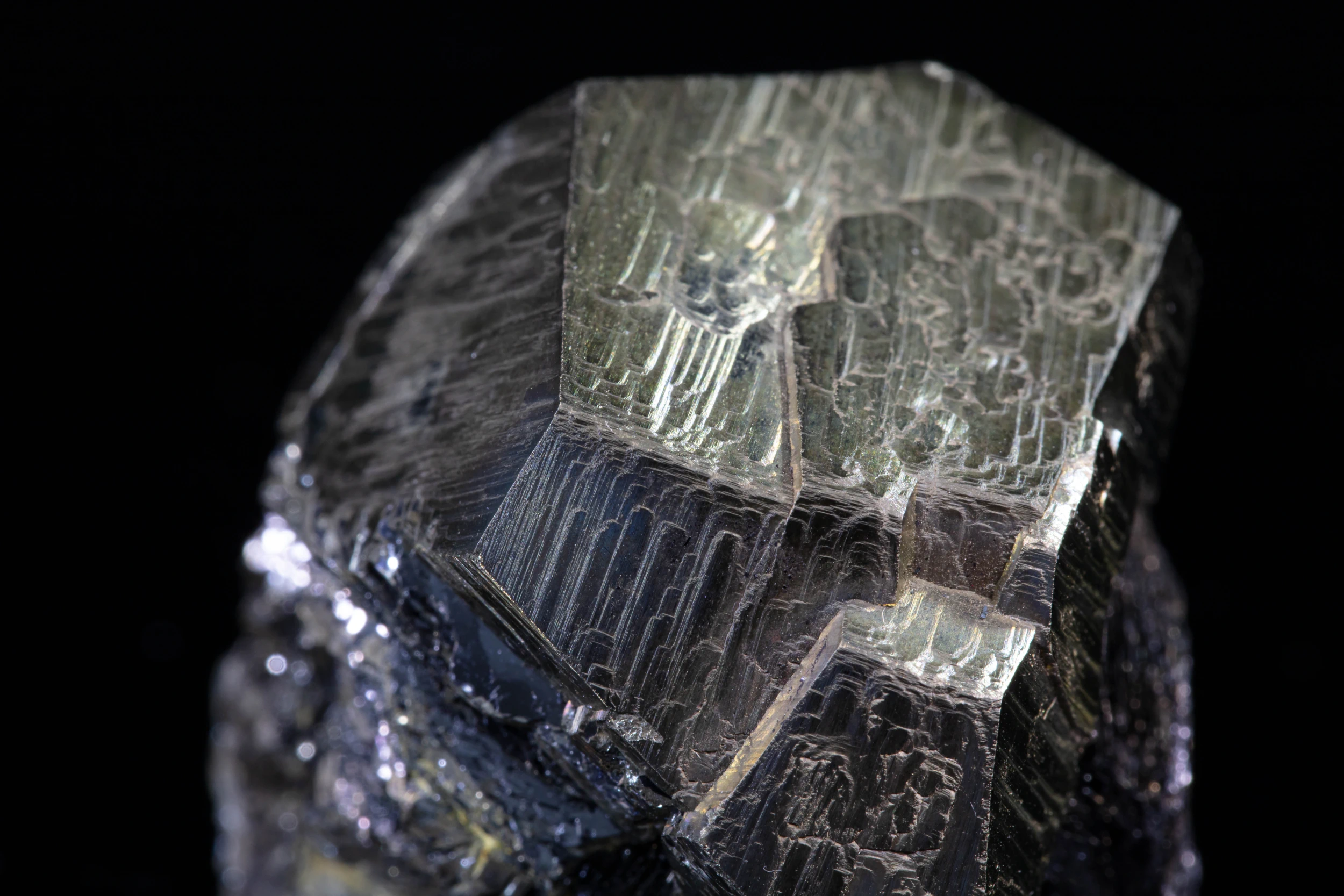
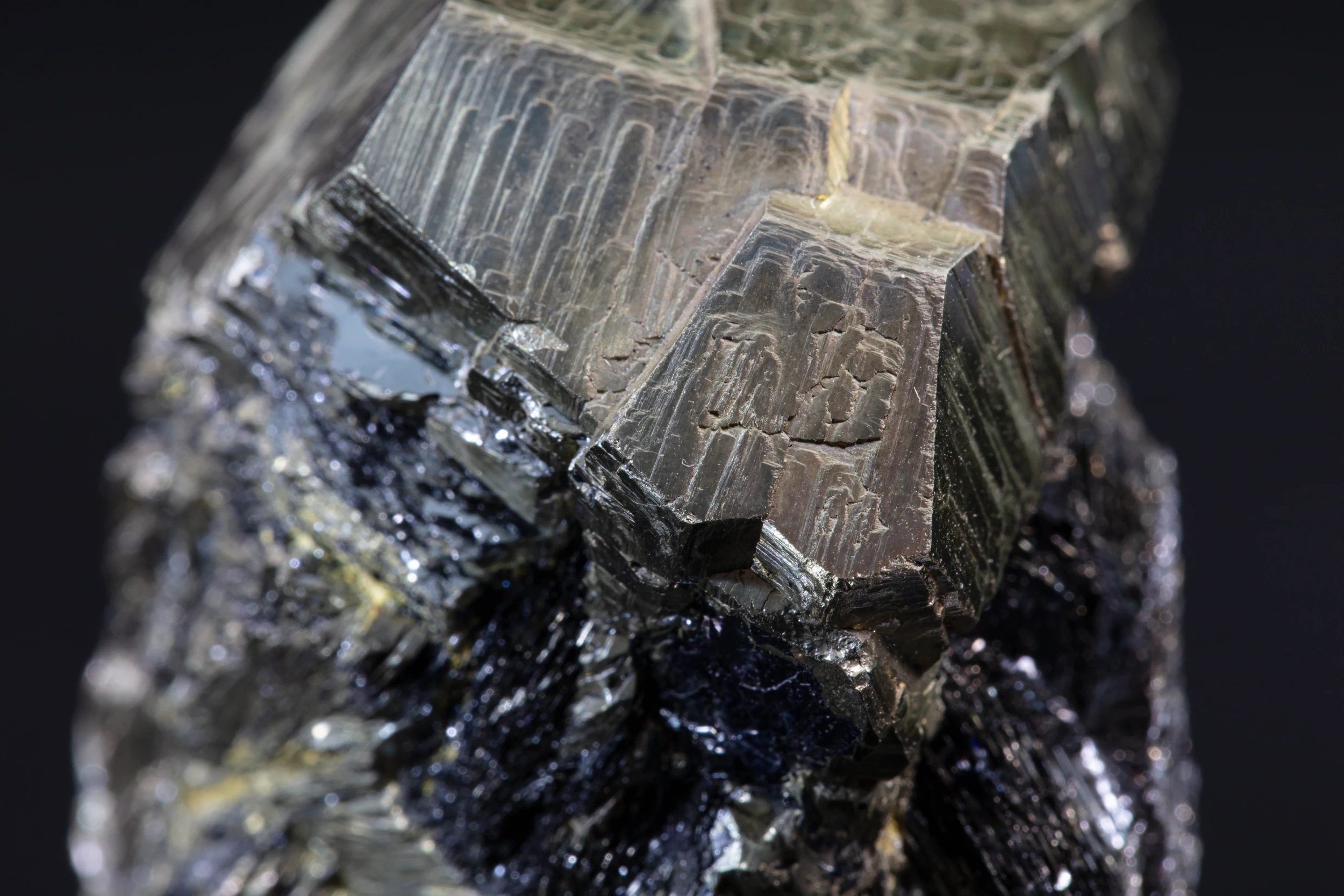
This specimen comes from Rio Marina, on the east coast of the island of Elba, off the coast of Tuscany. Its iron deposit is the oldest on the island. The Etruscans were already mining and smelting iron here by the 8th century BC, the Romans followed, and the mines were worked almost without a break until the last one closed in 1981. Hematite, the iron oxide that fed all those furnaces, and pyrite are the most common minerals in the Rio Marina mines, and specimens pairing the two are classics of old European collections. Here, a single brass-yellow pyrite crystal of 3.3 cm, a pyritohedron with twelve five-sided faces, sits on top of a mass of brilliant platy hematite. The pyrite faces are deeply striated and bright, and the black hematite plates show a few iridescent tints. The piece looks good from every side.

Mineral Species

FeS2
Elements: Iron, Sulfur
Class: Sulfides
Crystal System: Cubic
Hardness: 6-6.5
Orthoclase
Talc (1)Diamond (10)
Scratches glass. Harder than a steel knife.
Fe2O3
Elements: Iron, Oxygen
Class: Oxides
Crystal System: Trigonal
Hardness: 5.5-6.5
Orthoclase
Talc (1)Diamond (10)
Scratches glass. Harder than a steel knife.

Did you know?

PyritePyrite is the original fool's gold, brassy enough to fool generations of prospectors. The irony is that real gold often hides inside it, locked invisibly in the crystal, which makes pyrite a true source of the very metal it once impersonated.

HematiteHematite is named from the Greek for blood, and it keeps the secret well: a silvery or black specimen, scratched or powdered, leaves a vivid blood-red streak.