Pyrrhotite

The Specimen

Cabinet: Small Cabinet (4.5 - 7 cm) – Size: 6.1 x 4.6 x 1.9 cm Origin: Nikolaevskiy Mine, Dalnegorsk, Primorsky Krai – Russia

Notes

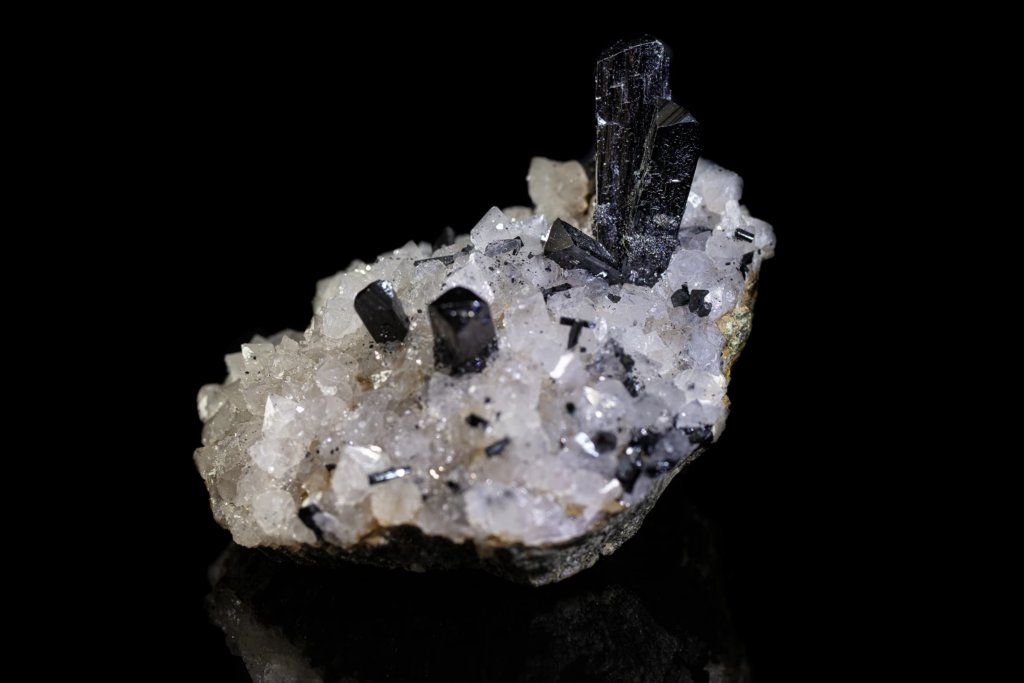
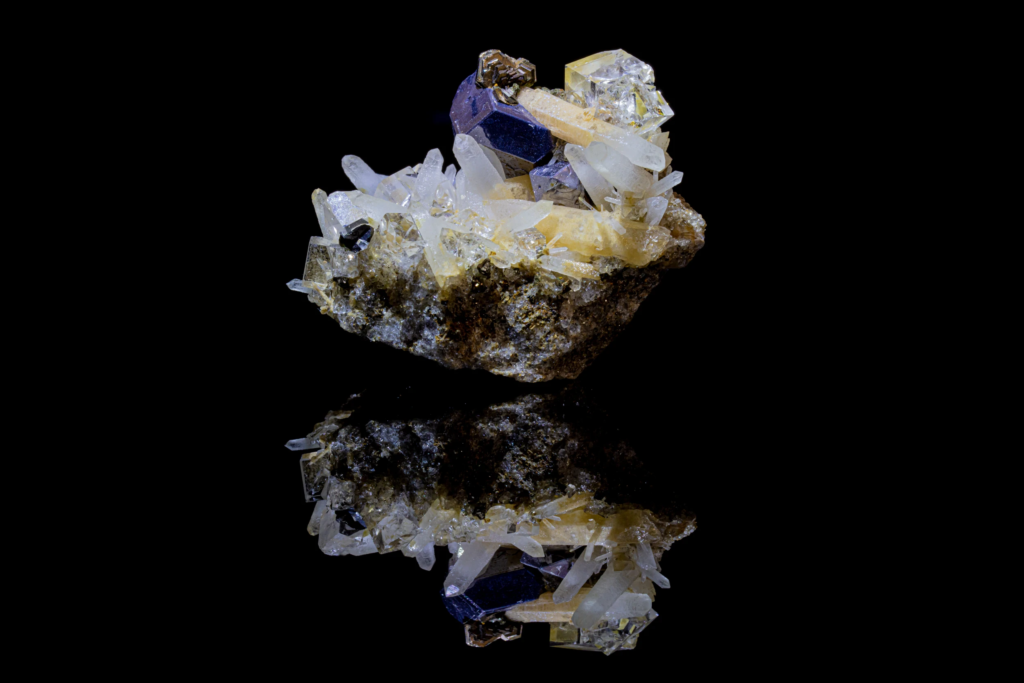
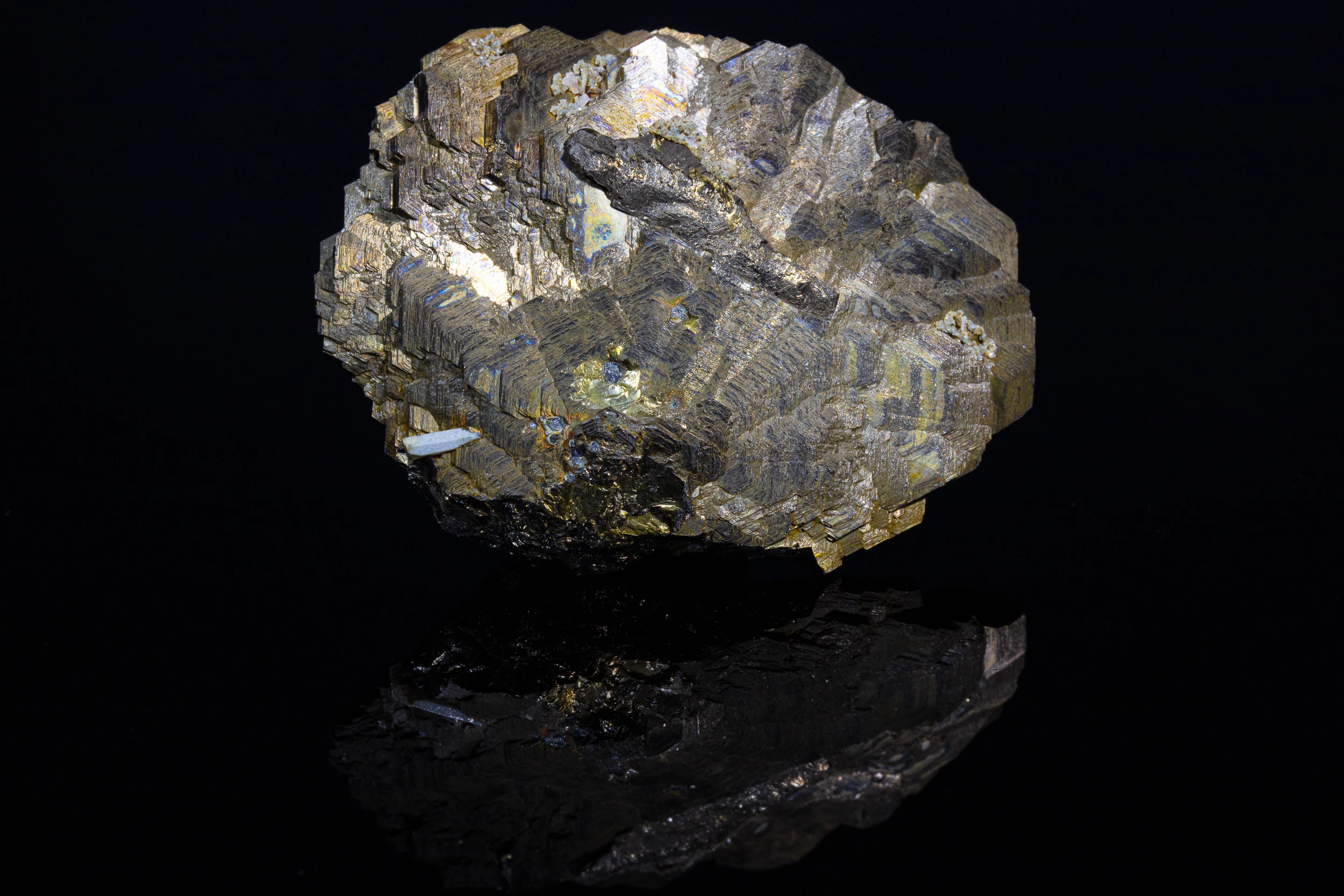
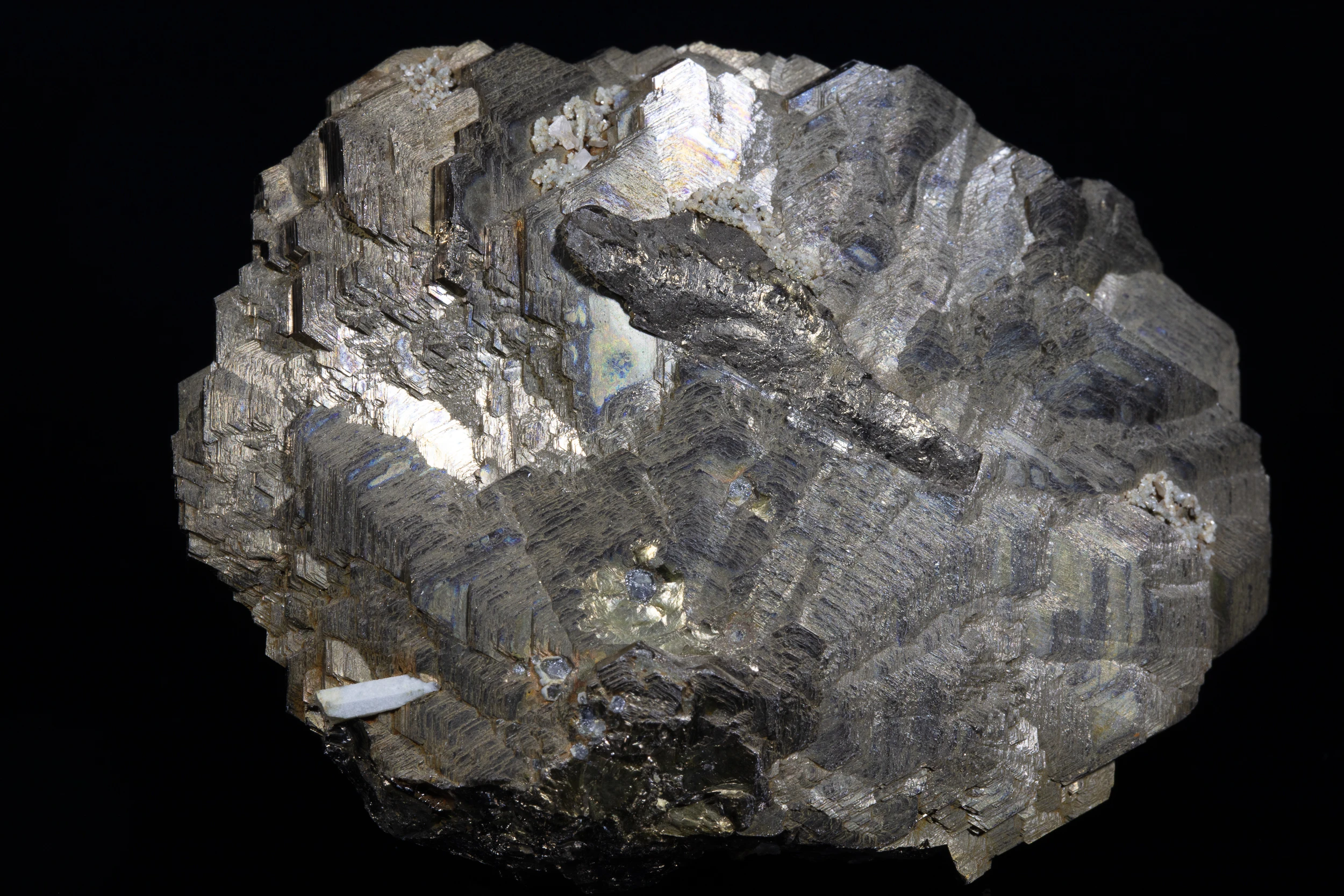
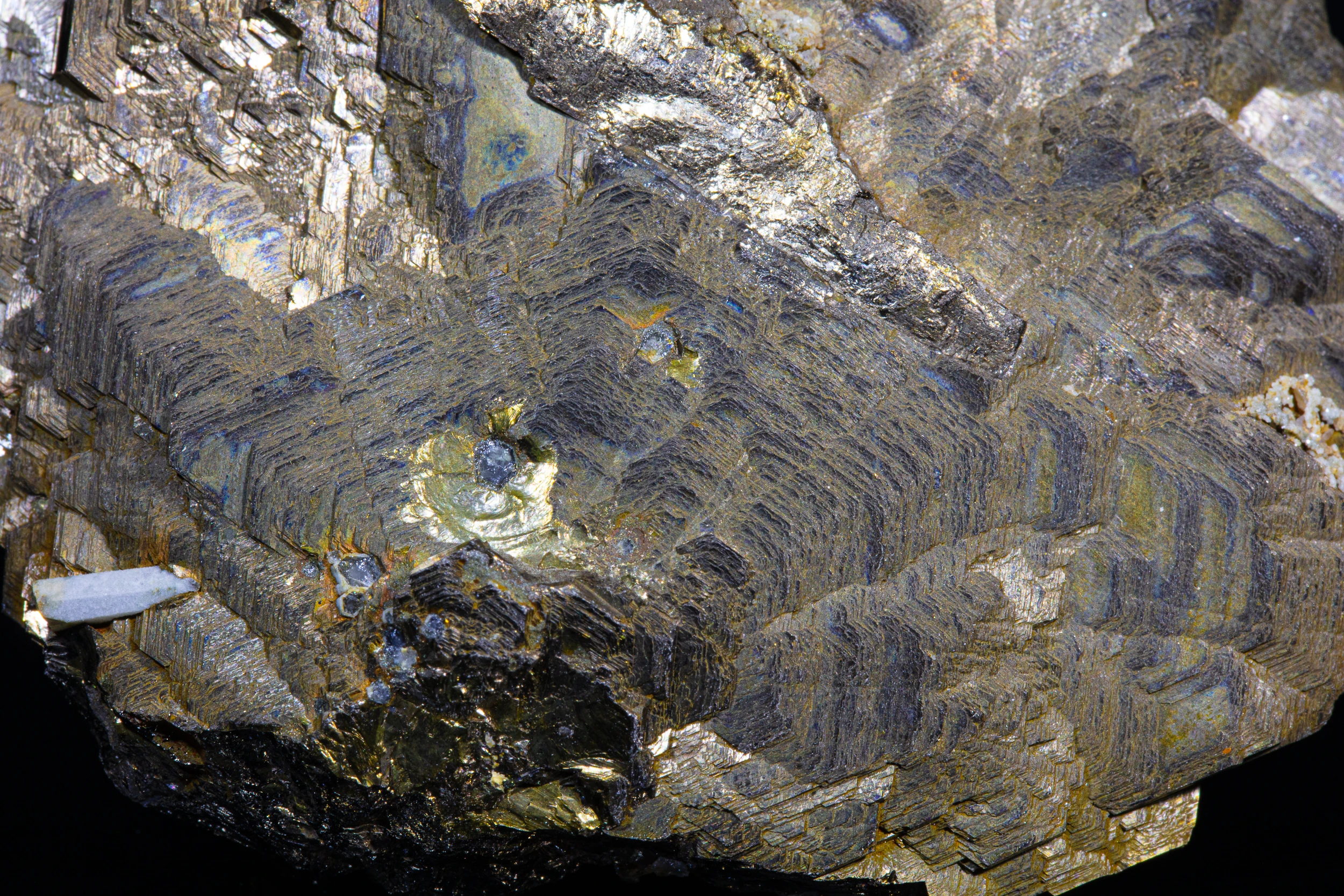
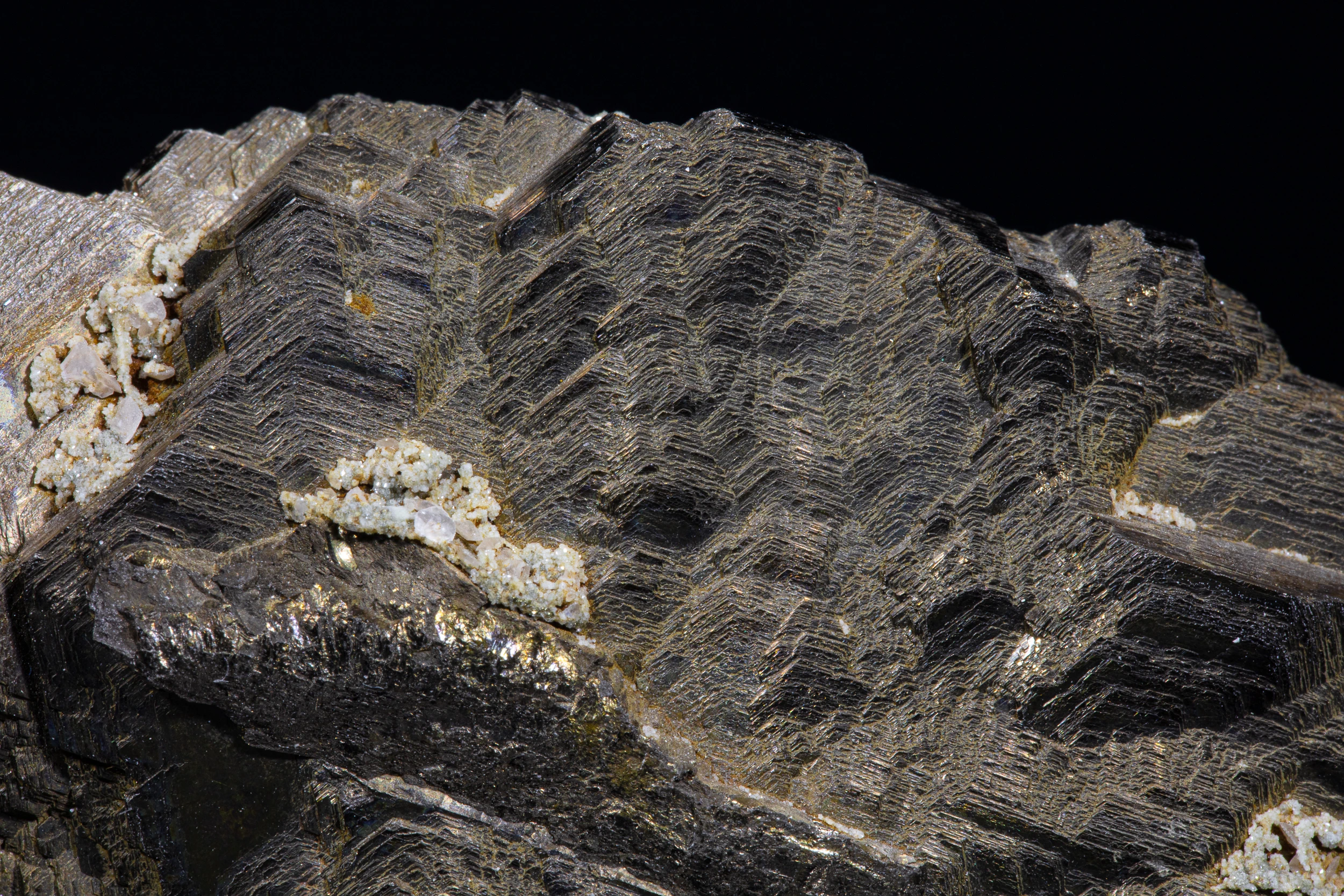
This specimen comes from the Nikolaevskiy Mine at Dalnegorsk, in Primorsky Krai in the Russian Far East, near the Sea of Japan. The town was founded in 1897 as Tetyukhe, around a lead and zinc mine started by the Swiss-born businessman Julius Brynner, grandfather of the actor Yul Brynner, and it was renamed Dalnegorsk in 1973. The Nikolaevskiy deposit is a lead-zinc-silver skarn: hot fluids replaced large blocks of limestone with ore minerals and left open pockets lined with crystals. Dalnegorsk is known worldwide for its sulfide specimens. Pyrrhotite is an iron sulfide with a little less iron than sulfur, and it is often slightly magnetic. Here, lustrous bronze-brown pyrrhotite crystals with stepped, pseudo-hexagonal growth are tightly intergrown into a fan-shaped rib, complete on both sides. Iridescent blue and gold tarnish plays across the faces, and small quartz points sit at the base.

Mineral Species

Did you know?

PyrrhotitePyrrhotite is one of the very few sulfide minerals a magnet will actually tug at, which earned it the name magnetic pyrite.

QuartzPressing a quartz crystal makes it give off a precise electric beat, which is why it keeps time in nearly every watch and once tuned the radios of World War II, when good crystals were a strategic resource.