Identity
Technical notes (click to open)(click to close)
Name & Human History
Etymology
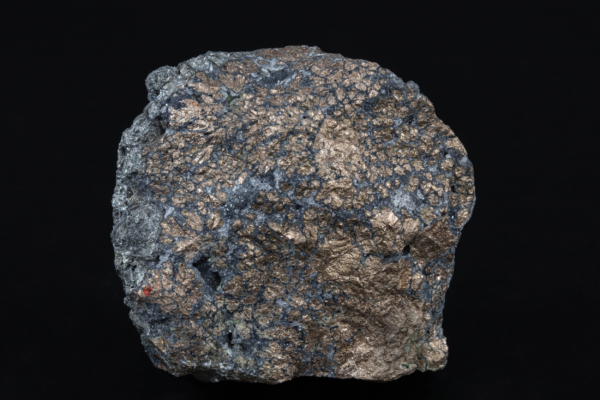
Nickelskutterudite is a heavy, tin white to gray metal mineral. It is a compound of nickel and arsenic, with some cobalt and iron mixed in. It has a bright metallic shine and grows as cube shaped or eight sided crystals, much like pyrite. Its long name marks it as the nickel rich member of a small family of minerals called the skutterudites.
Today
Nickelskutterudite is mined as an ore of nickel and cobalt, and it draws collectors too. It often grows with silver and other rich ores, so it turns up in famous old mining camps. Its bright, tin white crystals are the appeal. Because it holds arsenic, a specimen should be handled with care, and hands washed after touching it.
Geology & Occurrence
Formation
Nickelskutterudite forms in veins from warm to hot fluids. It grows in deposits rich in nickel, cobalt, and silver, alongside minerals like nickeline, silver, and the pink crust called erythrite. The crystals form where these metals gather in open veins. It is a mineral of classic silver and cobalt mining districts.
Notable Localities
Nickelskutterudite comes from a handful of famous ore camps. The silver and cobalt mines of Cobalt, in Ontario, Canada, are a noted source. Saxony, in Germany, is a classic old home for it, and fine material also comes from the cobalt deposits of Morocco. It is found with the wider group of cobalt and nickel arsenides.
Nickelskutterudite belongs to a small family built on cobalt and arsenic. The family is named for Skutterud in Norway. One member, plain skutterudite, is rich in cobalt, while nickelskutterudite is rich in nickel instead. They look much alike and grow side by side. A clue to all of them is smell, since crushing or heating these arsenic minerals gives off a sharp, garlic like odor.