Apophyllite & Stilbite
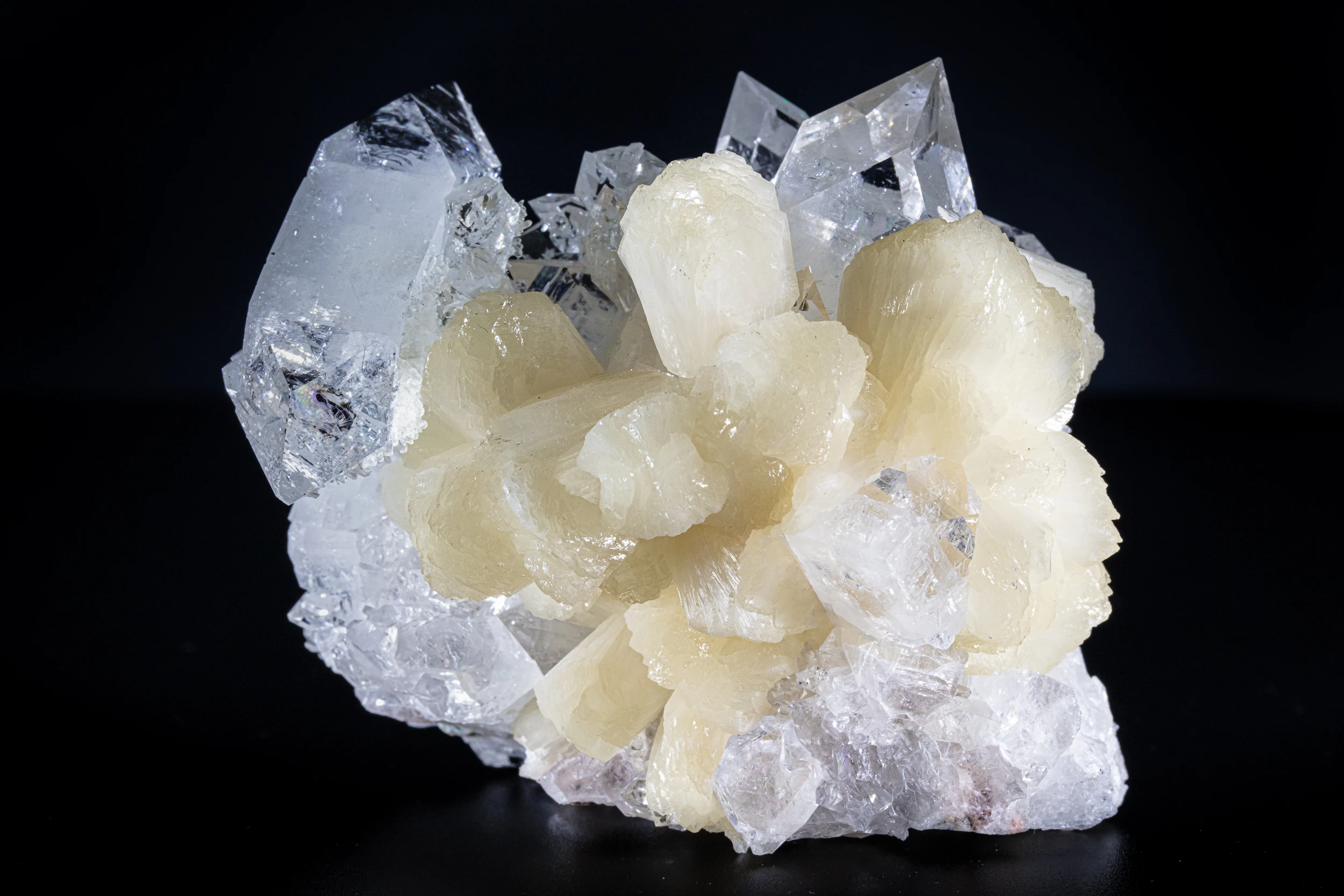
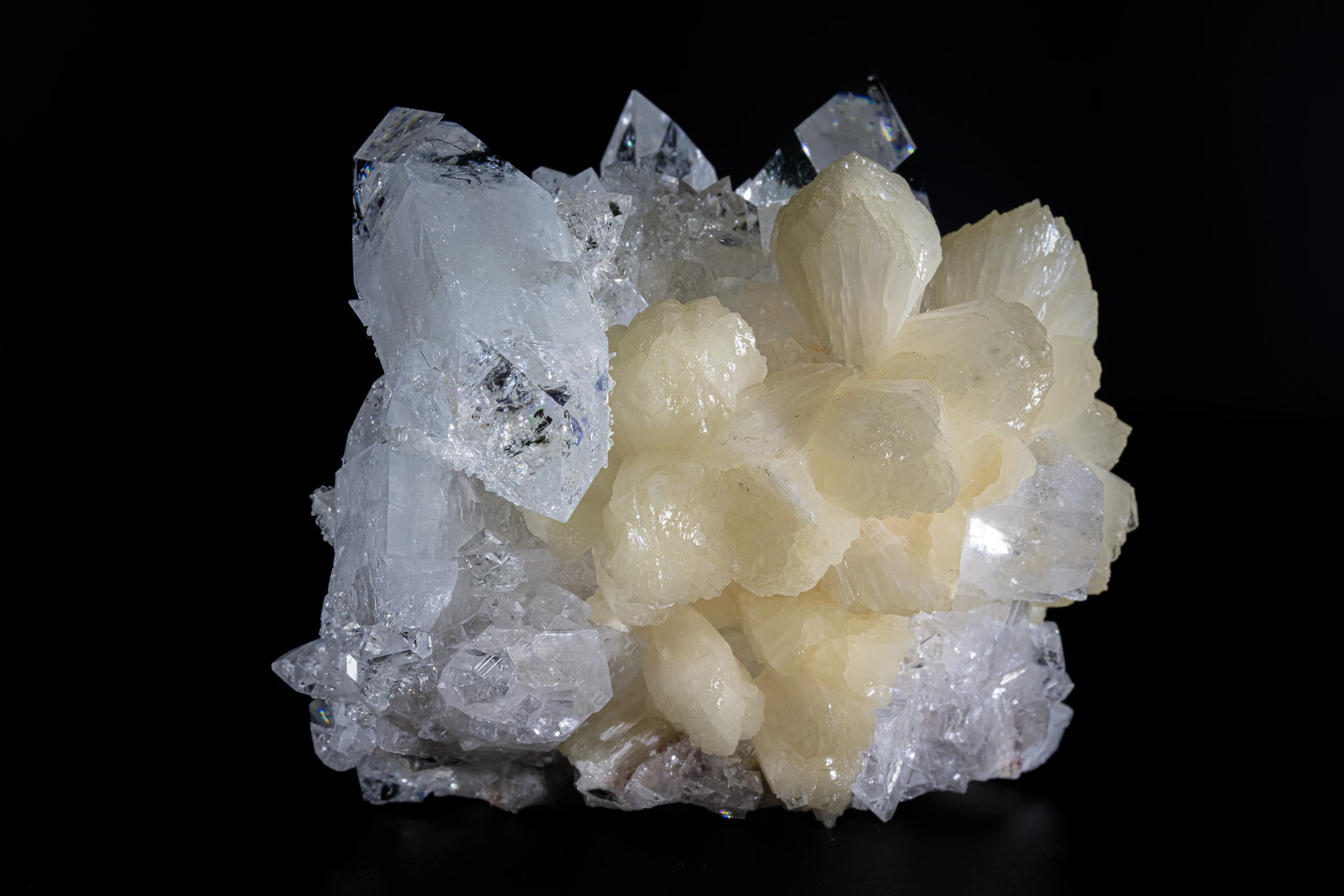
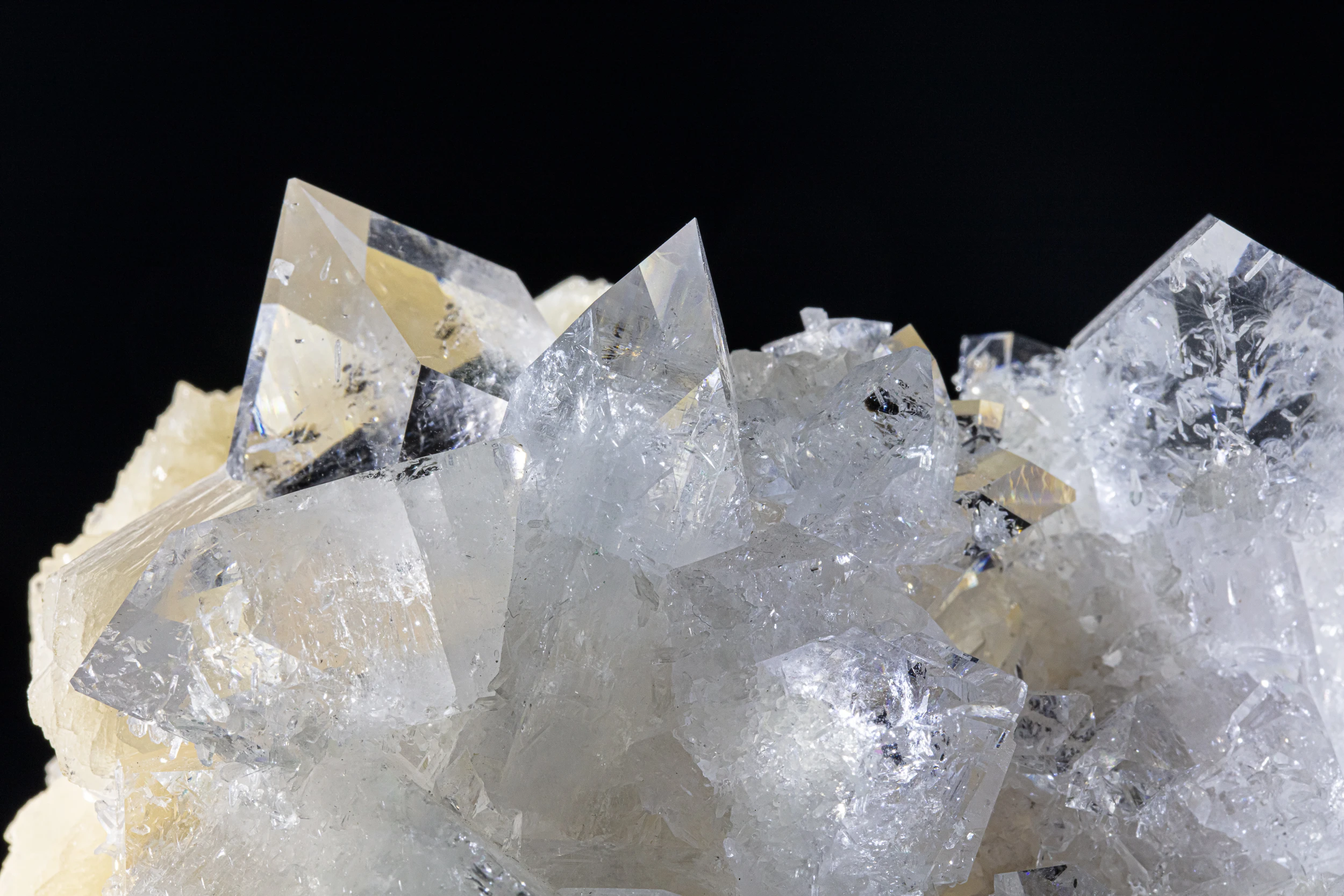
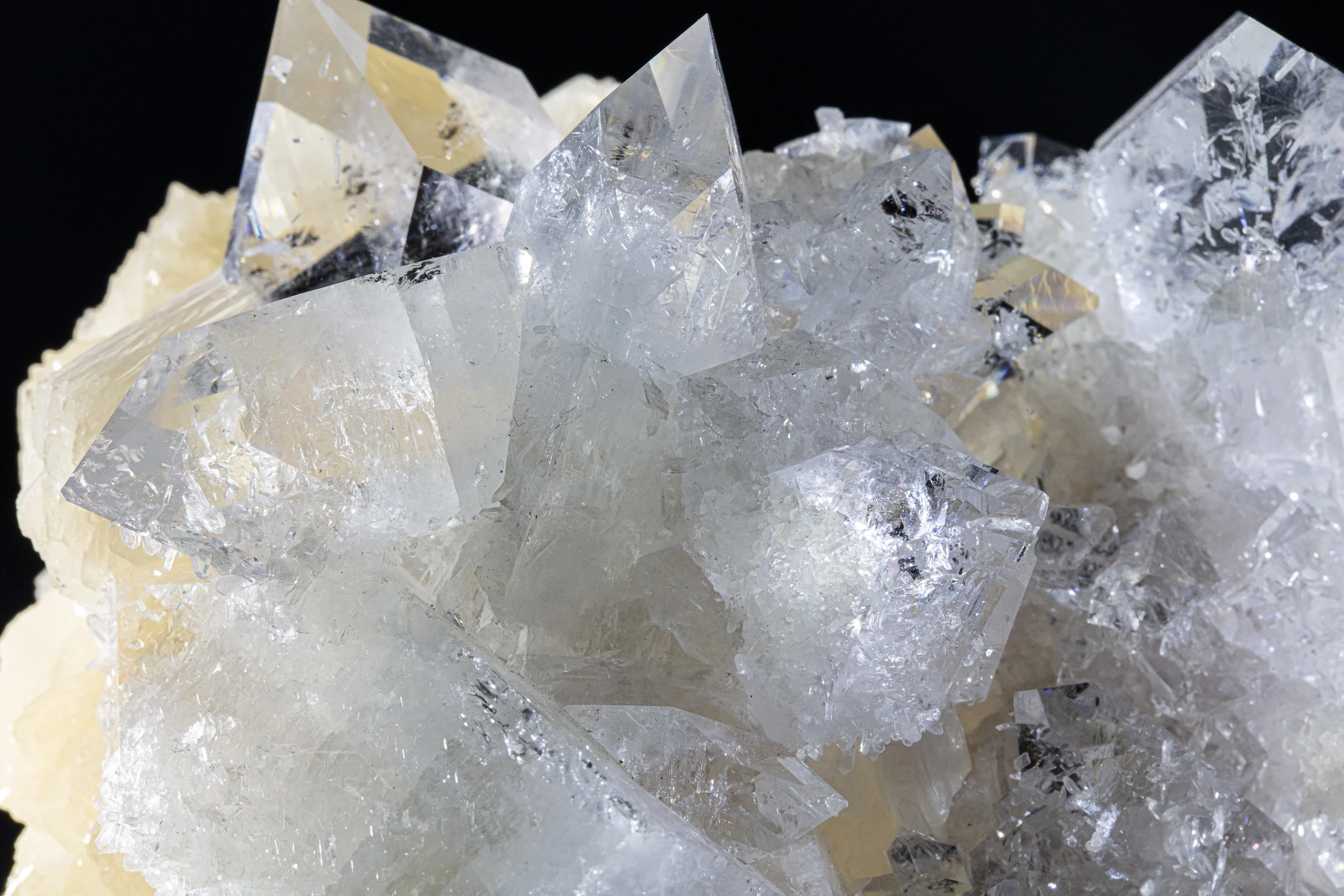
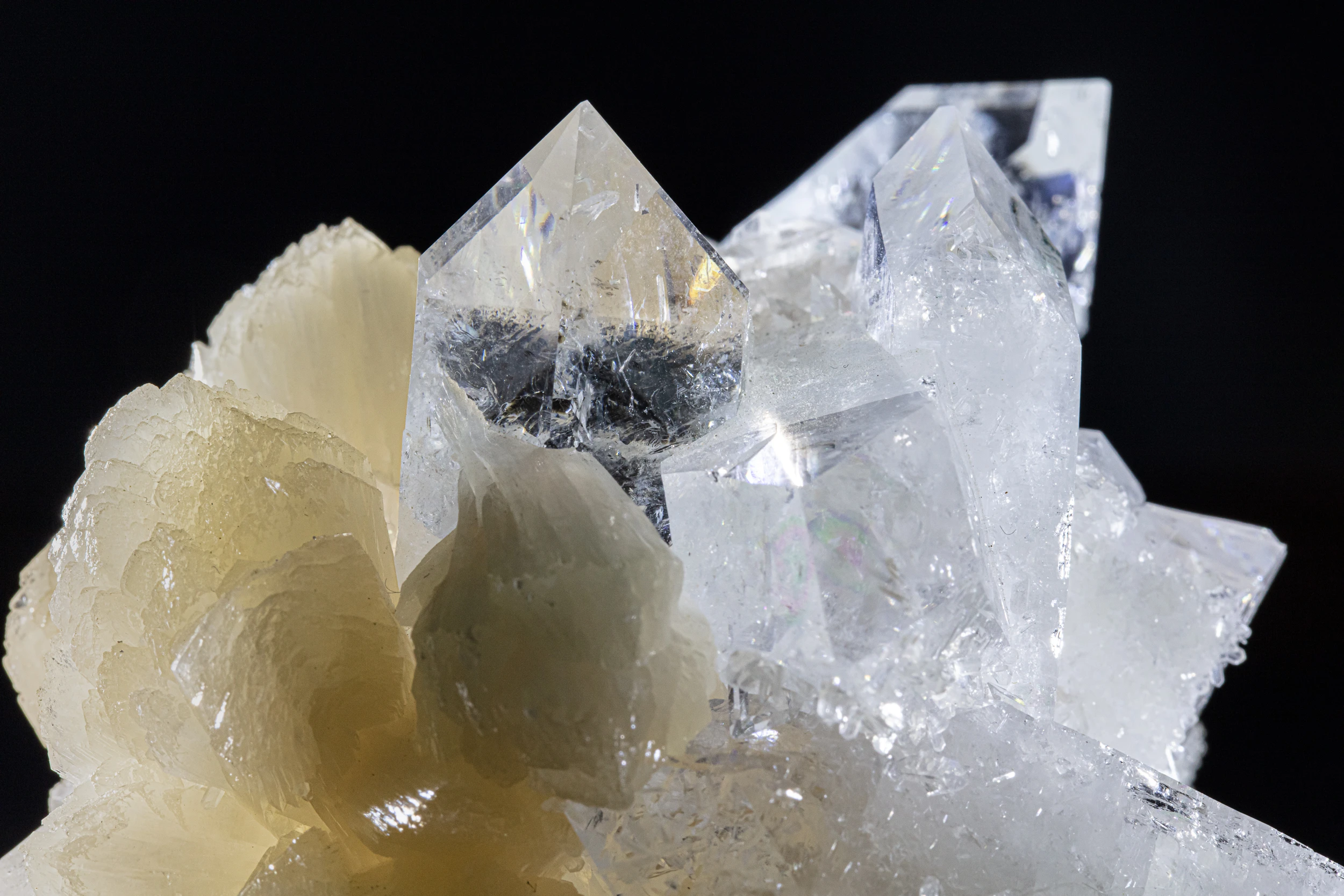

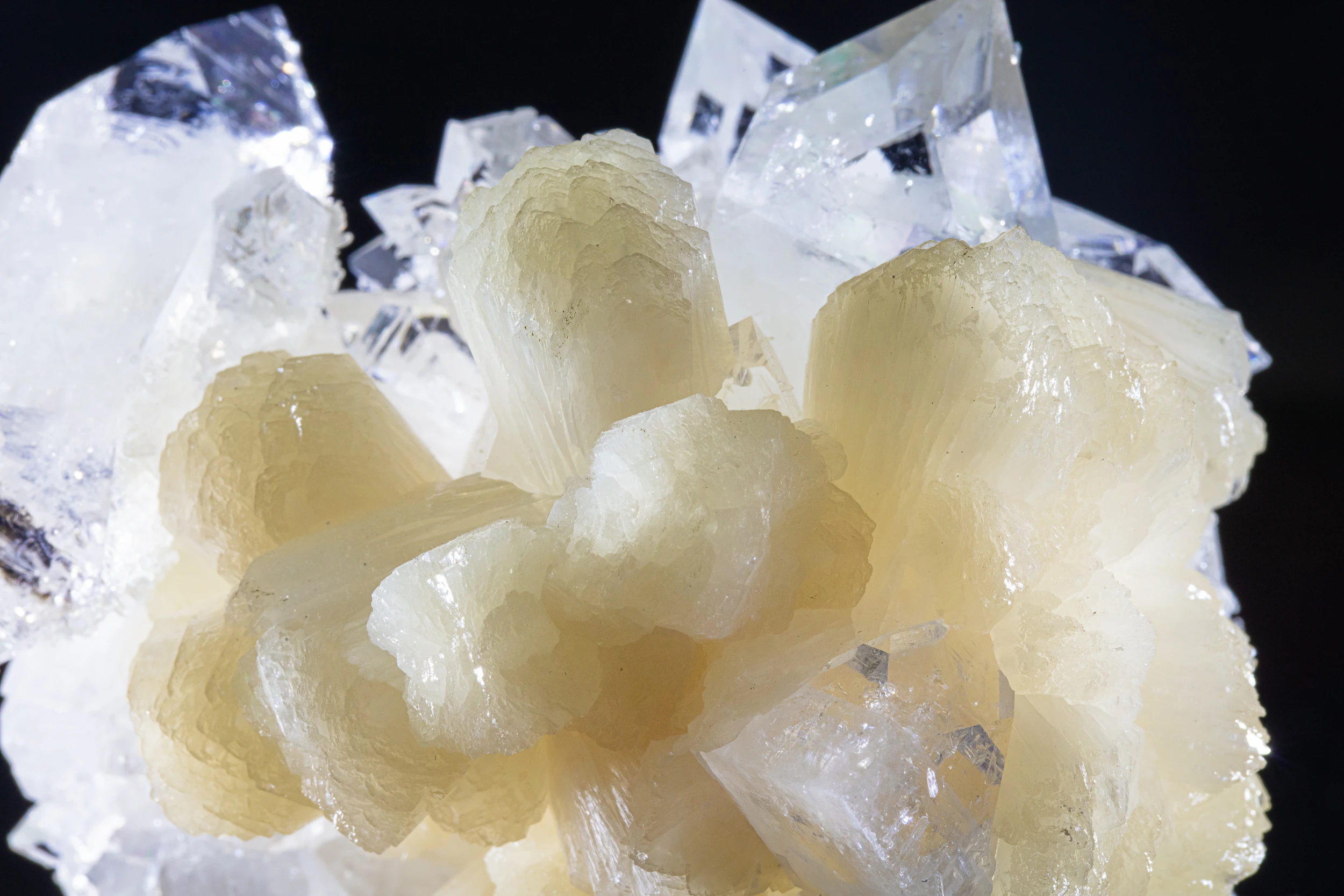
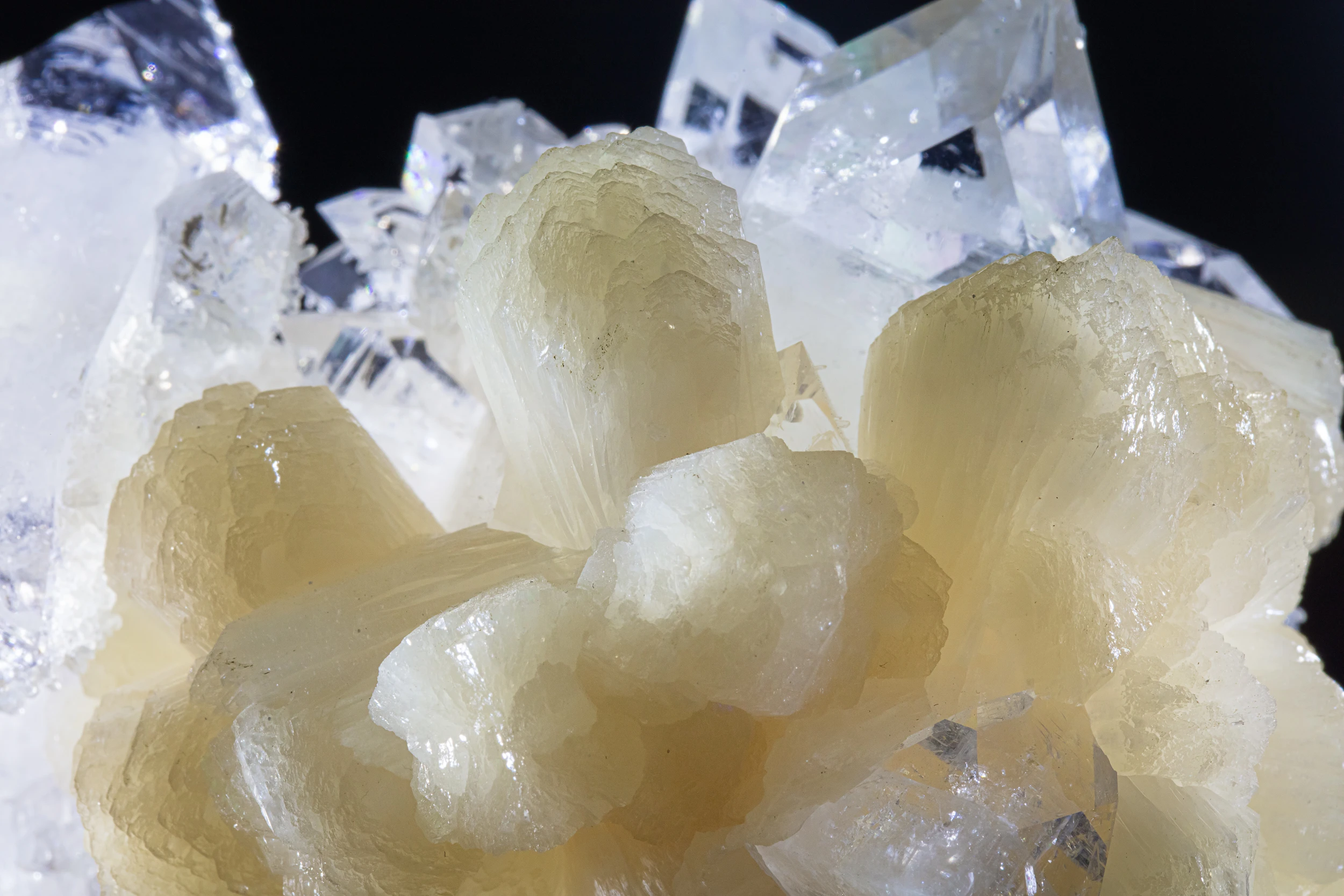
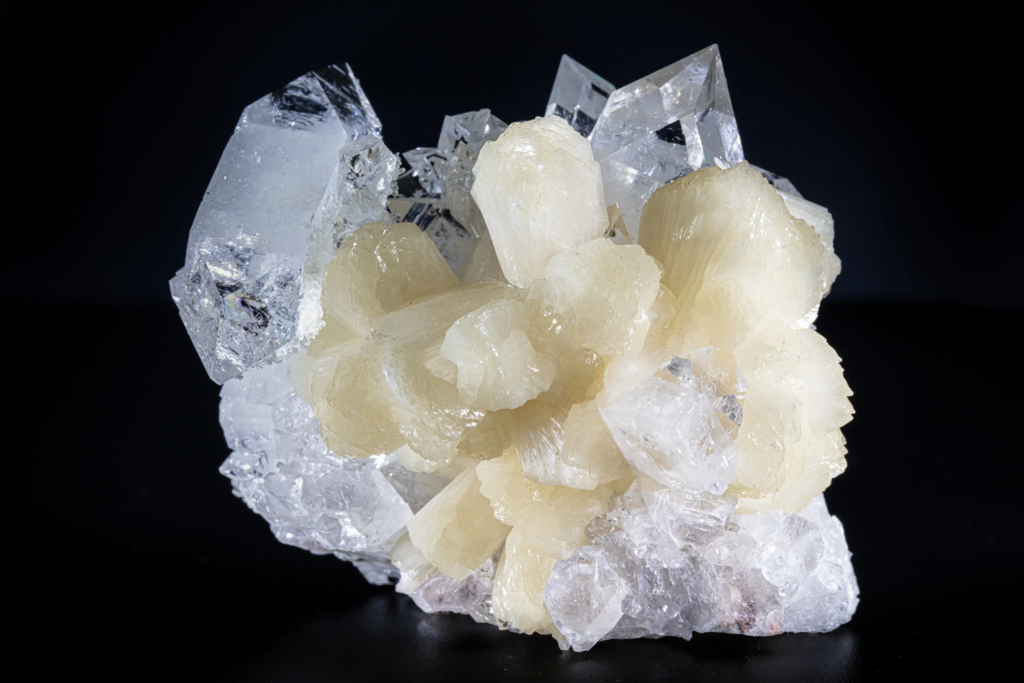
The Specimen
Notes
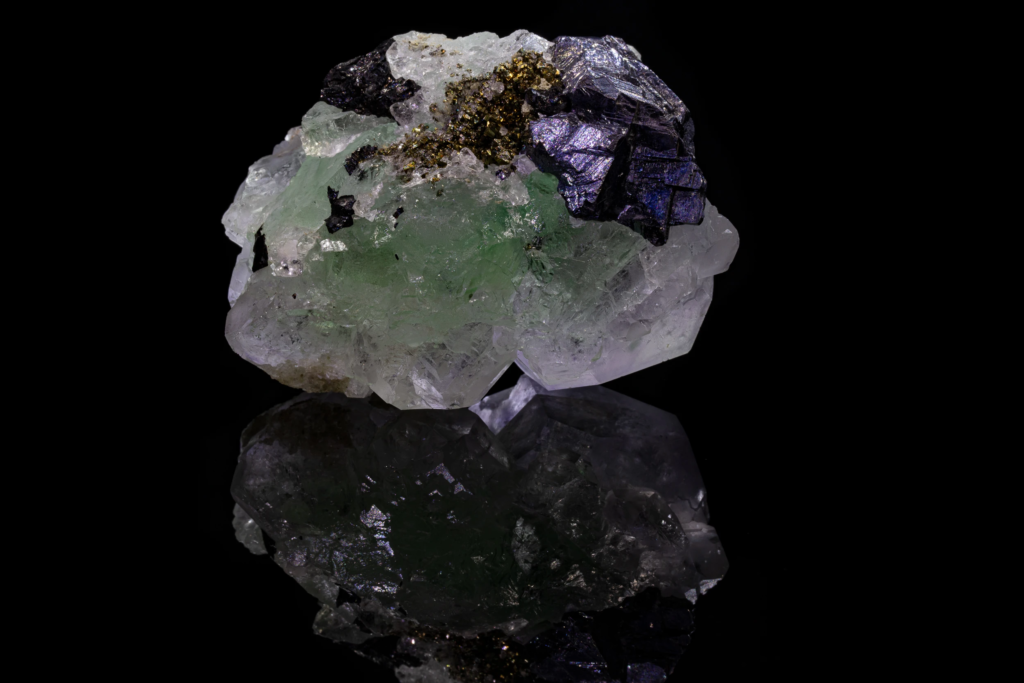
Mineral Species
KCa4Si8O20(F,OH)·8H2O
Apatite
Talc (1)Diamond (10)
Softer than glass. A steel knife scratches it.
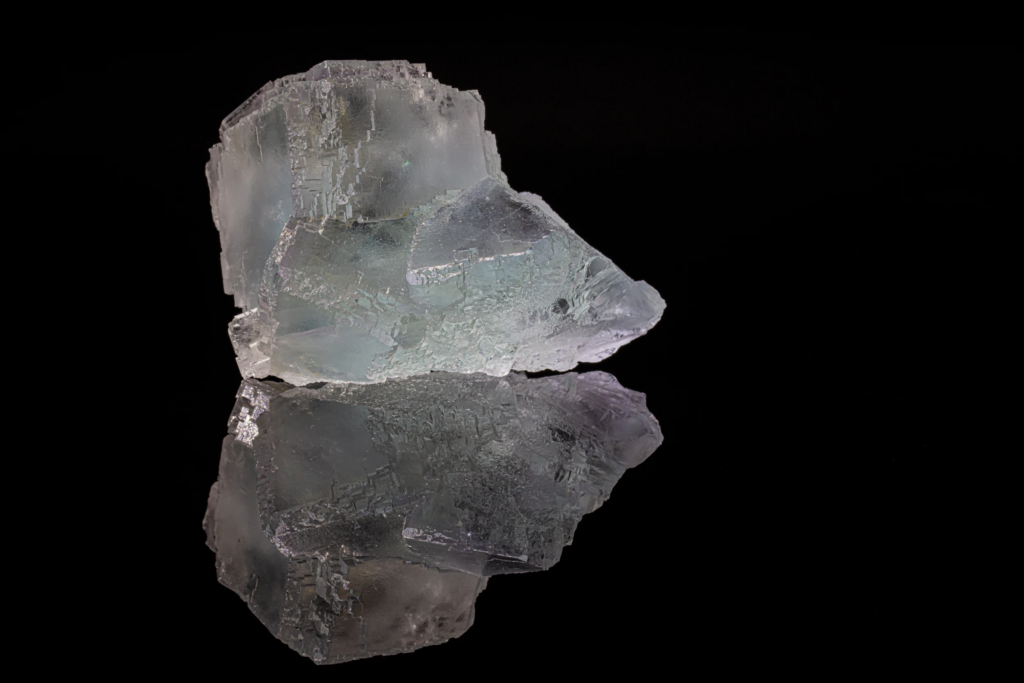
NaCa4(Si27Al9)O72·28H2O
Fluorite
Talc (1)Diamond (10)
Softer than glass. A steel knife scratches it.
Did you know?
ApophylliteApophyllite is named from the Greek for to flake off in leaves, and heat makes it do exactly that. The water bound inside the crystal escapes and the surface peels apart into thin white sheets.
Stilbite-CaStilbite helped name a whole mineral family. Heated, it releases its trapped water and froths as if boiling, the behavior that inspired the word zeolite, literally boiling stone.