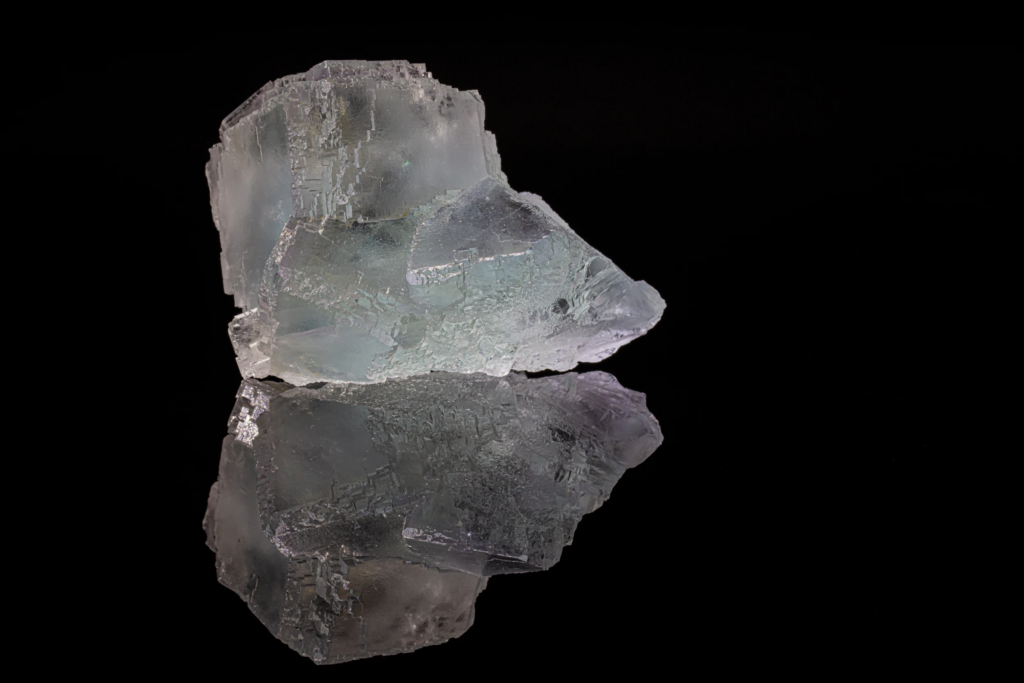
Fluorite

The Specimen

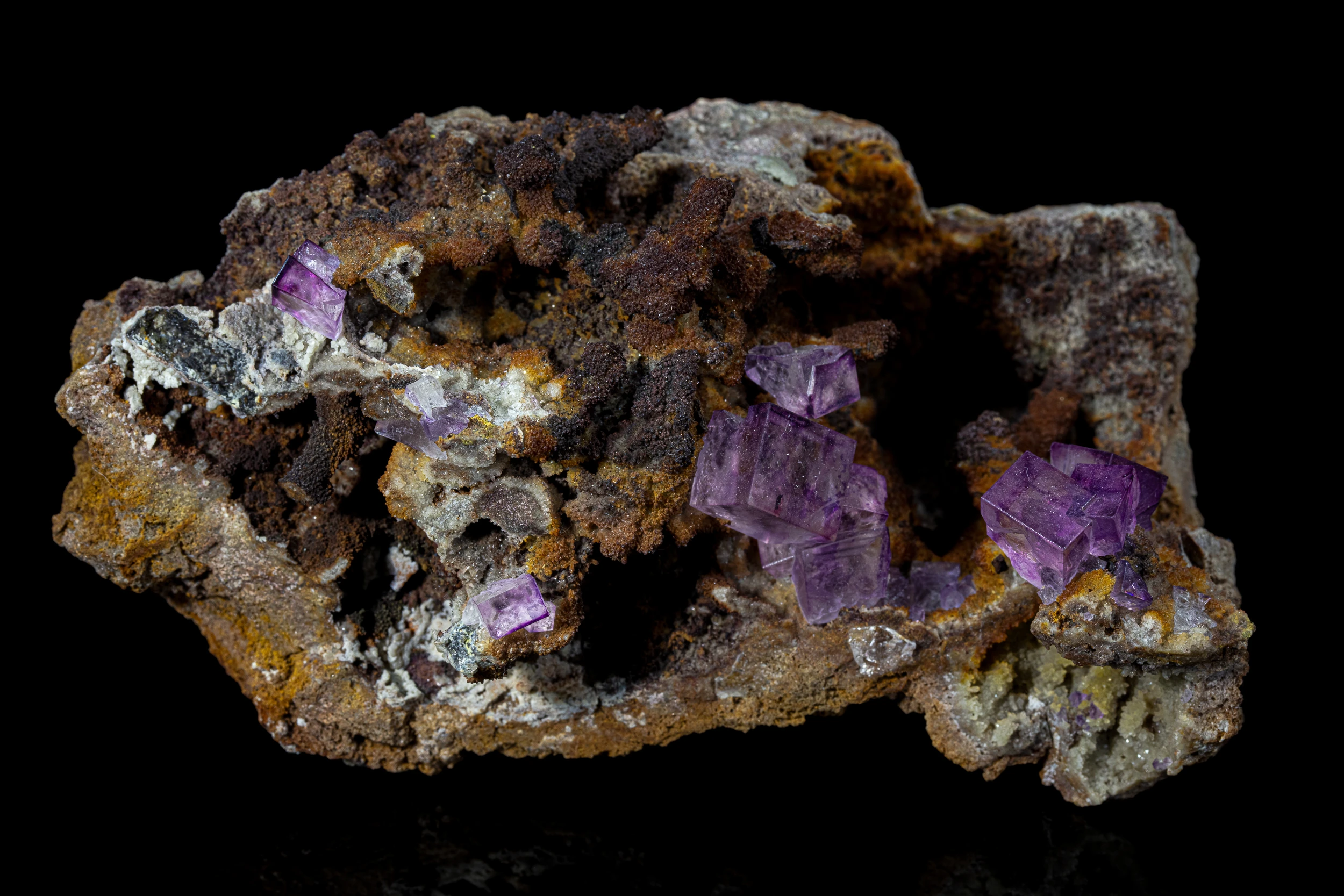
Cabinet: Large Cabinet (10 cm+) – Size: 12.3 x 8.3 x 6.4 cm Origin: Ojuela Mine, Mapimí, Mapimí Municipality, Durango – Mexico History: Ex John Arnaud Collection

Notes

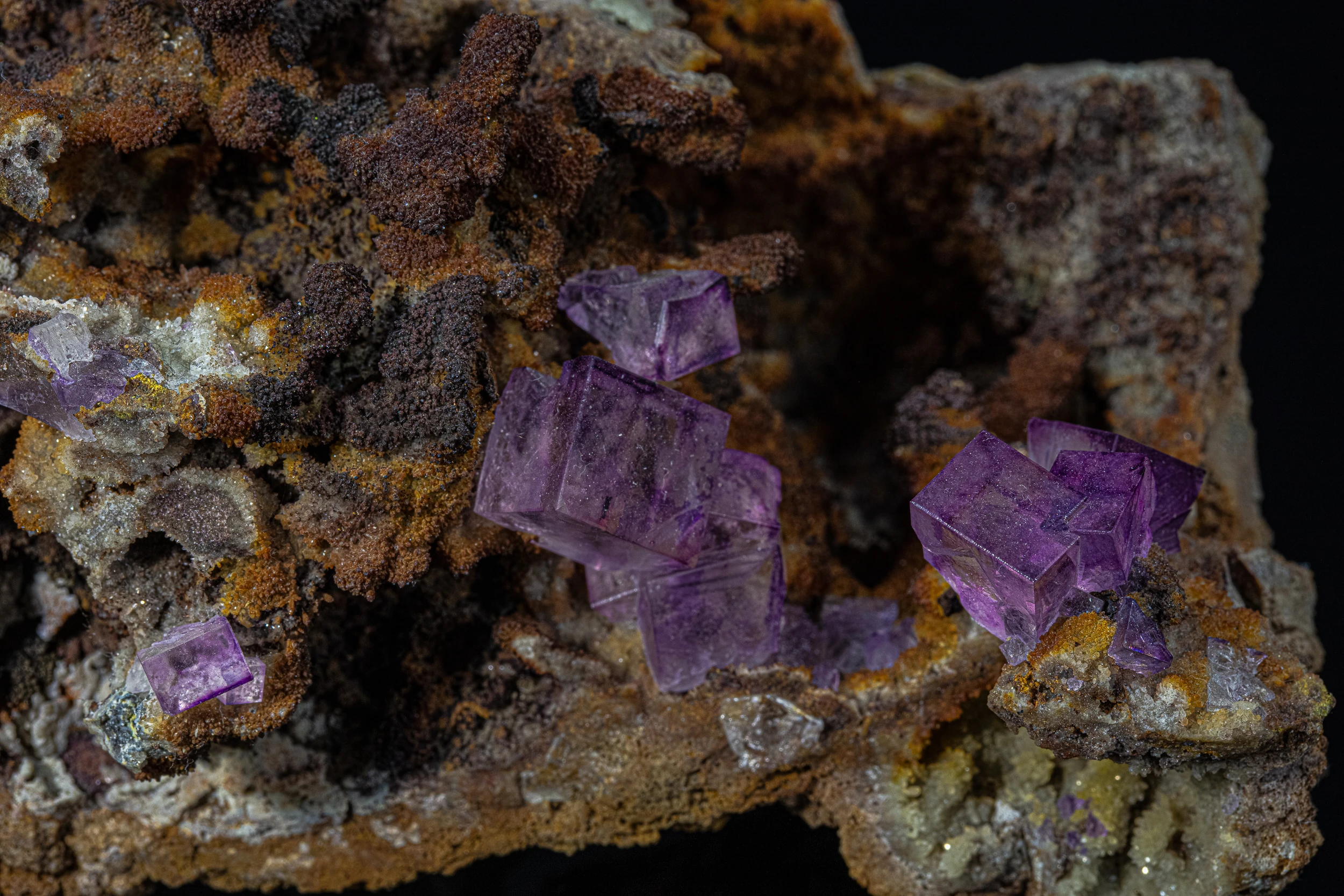
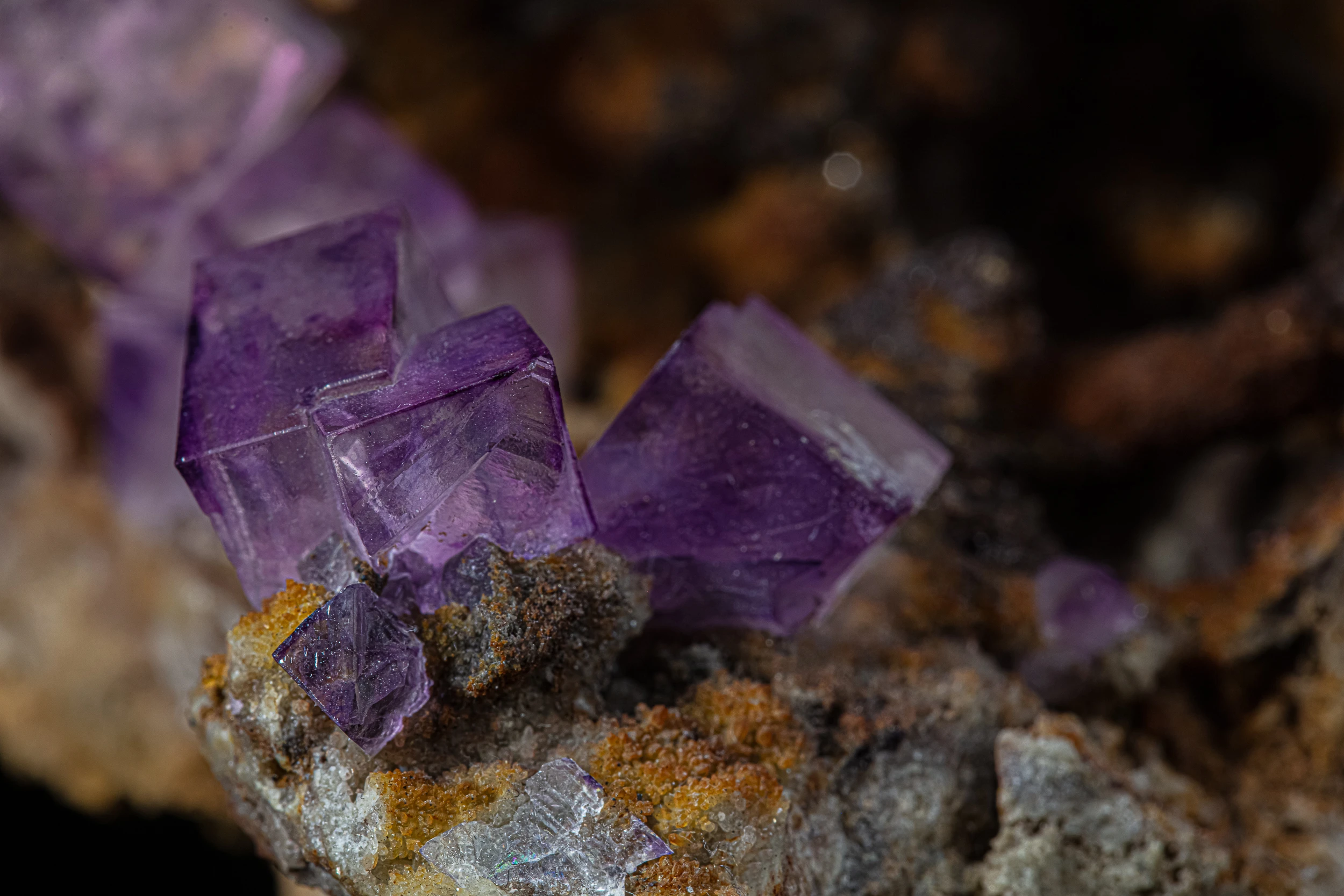
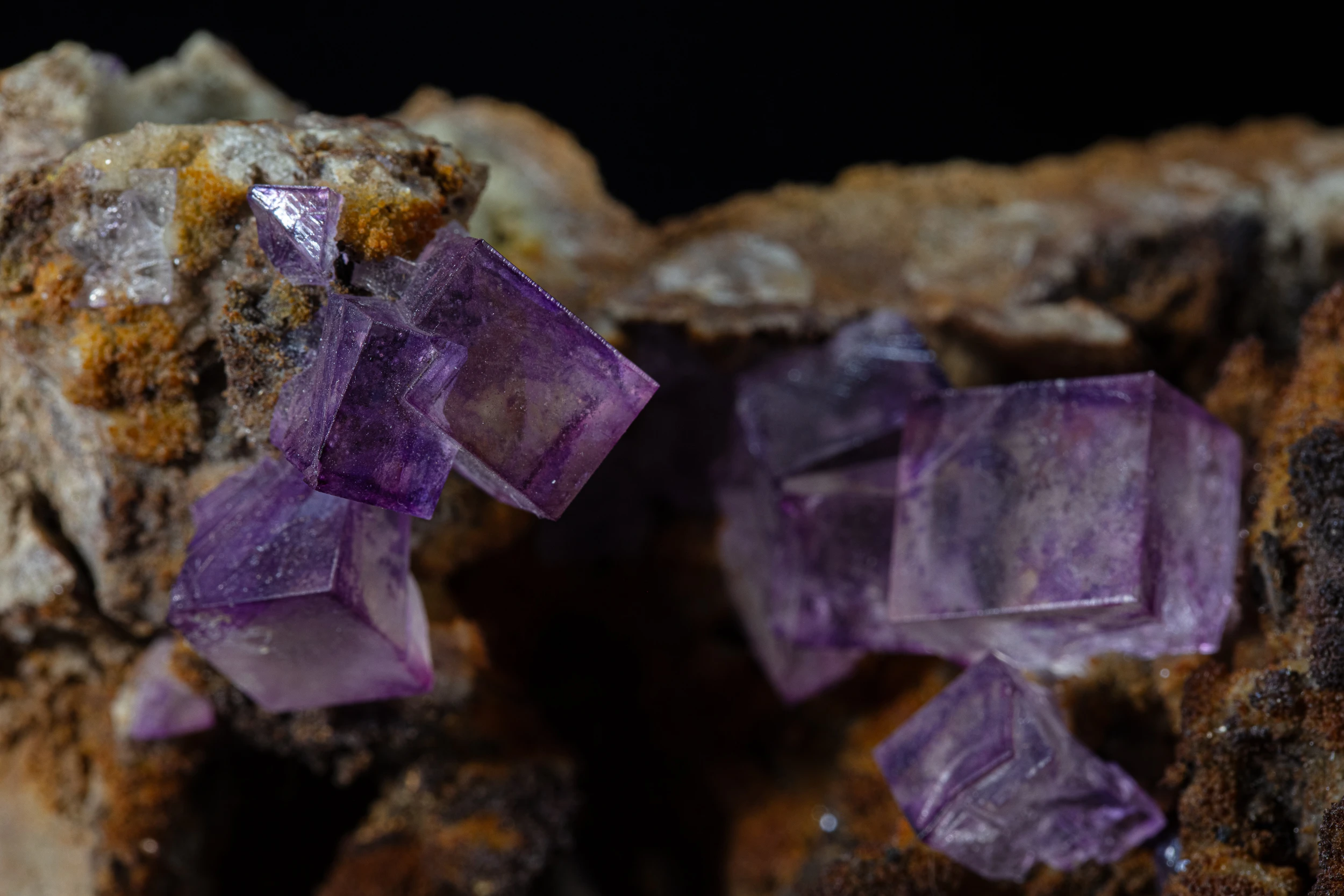
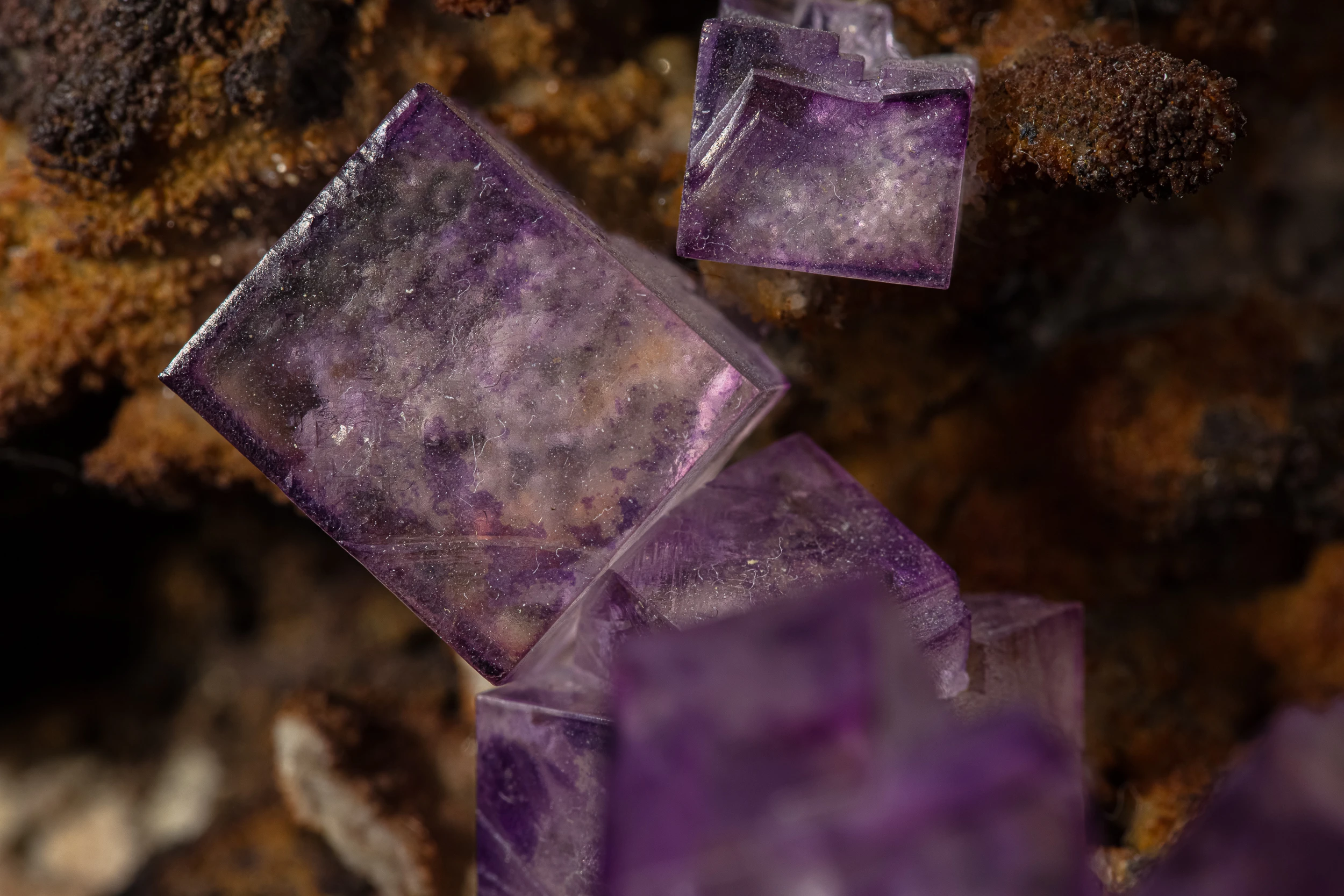
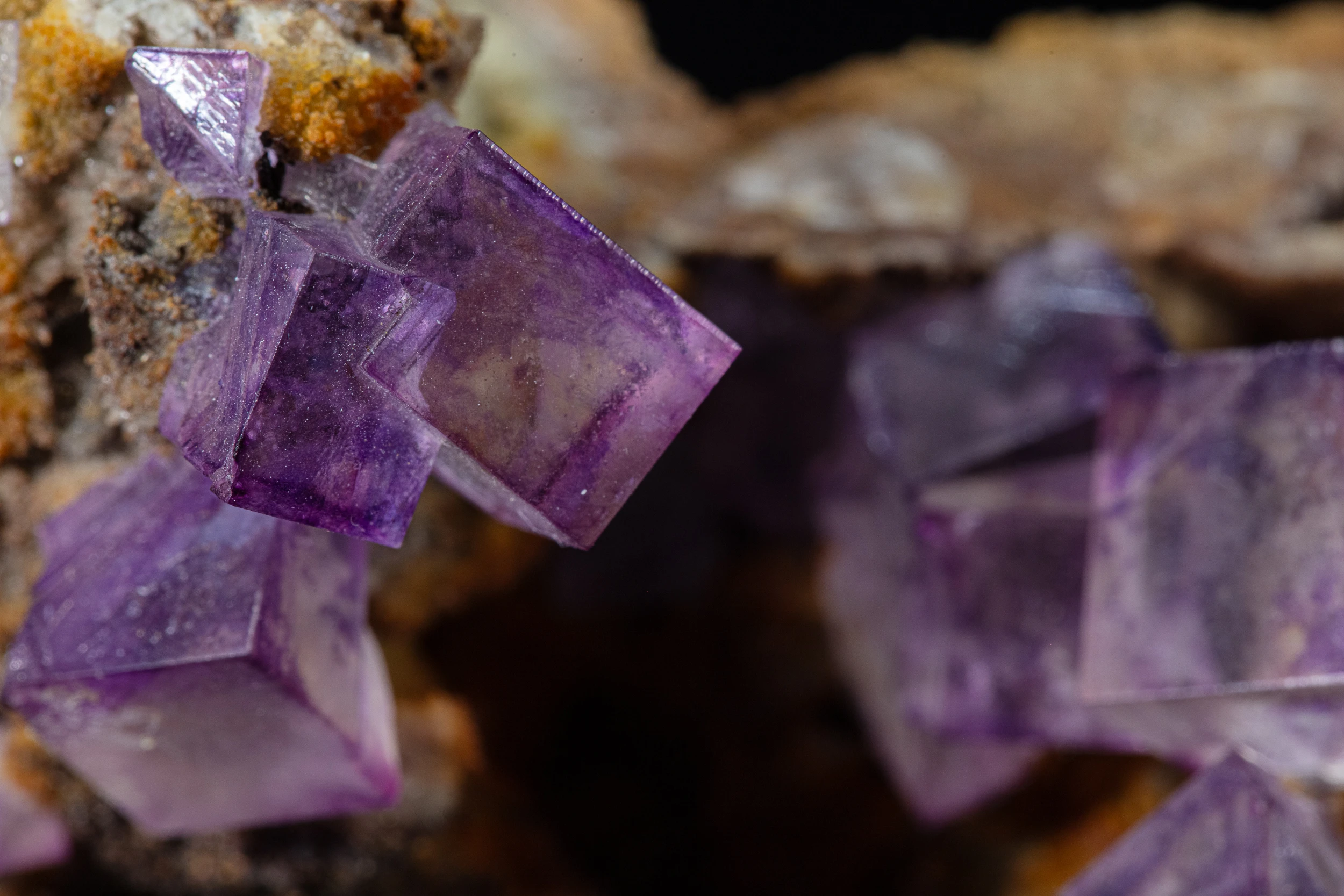
This specimen comes from the Ojuela Mine near Mapimí, in the desert of Durango, Mexico. Spanish prospectors discovered the deposit in 1598. Among collectors, the mine is best known for its arsenate minerals, such as adamite and legrandite, and its purple fluorite is much less famous. Here, sharp, glassy purple cubes sit on a rusty brown matrix of oxidized rock. In some crystals you can see a phantom, the outline of a smaller cube trapped inside, left from an earlier stage of growth. Above the old mining town hangs the Ojuela Bridge, a suspension bridge built at the end of the 1800s by John A. Roebling's Sons Company, the family firm of the engineers behind the Brooklyn Bridge. When it was finished, it was the third longest suspension bridge in the world.

Mineral Species

Did you know?

Fluorite gave fluorescence its name. In 1852 the physicist George Stokes, studying the mineral's glow under invisible light, coined the word for the whole phenomenon after the stone itself.