Metatorbernite

The Specimen

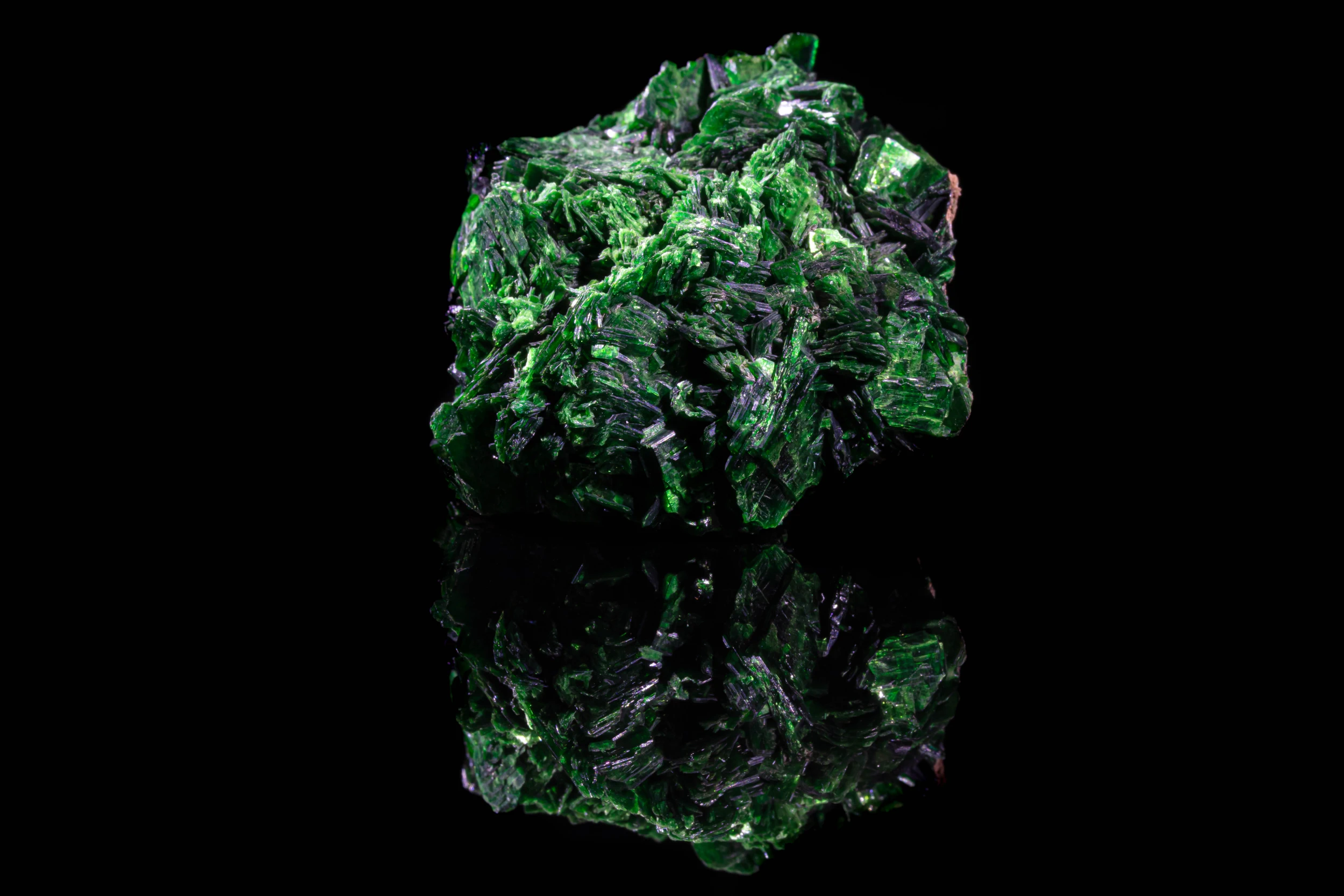
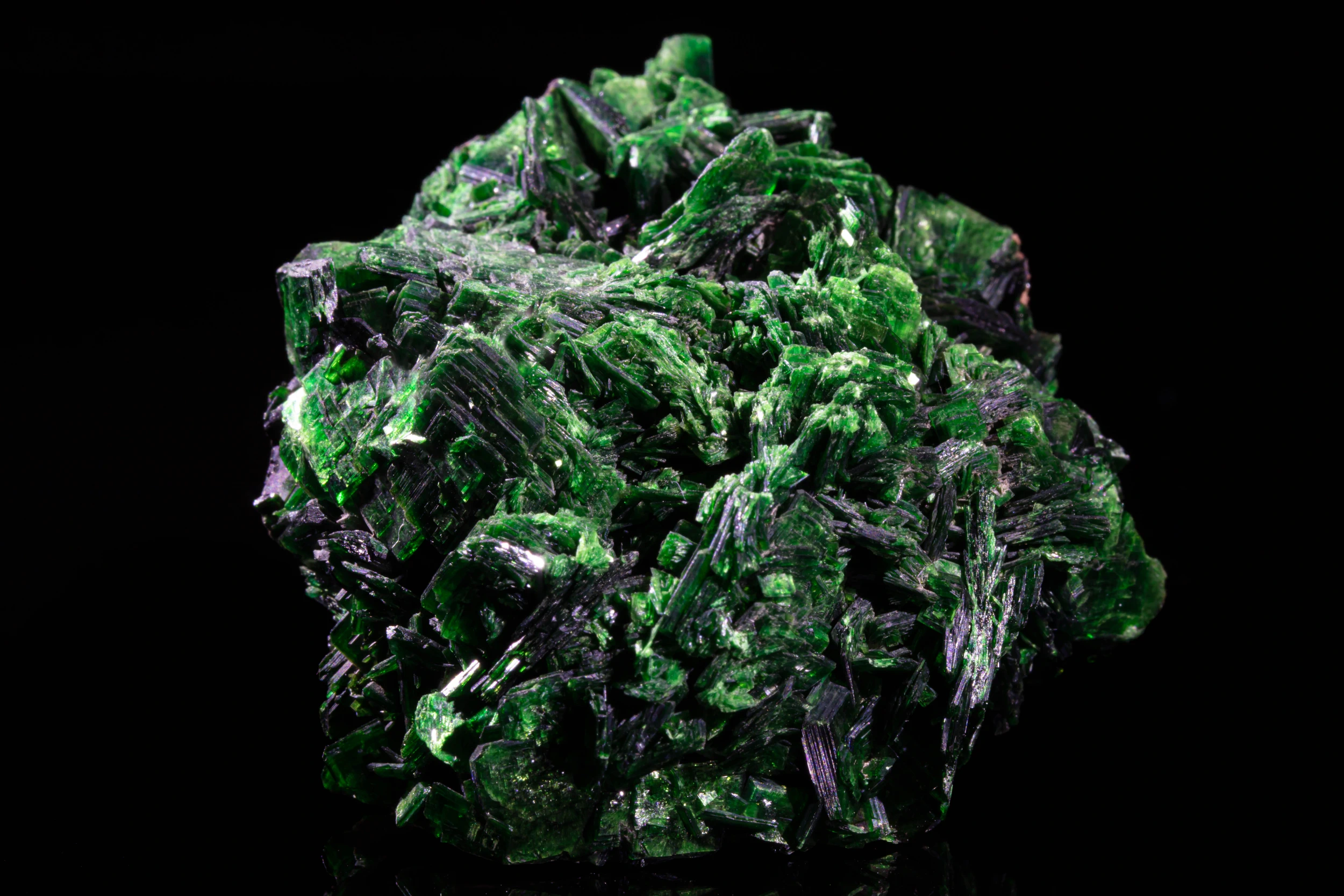
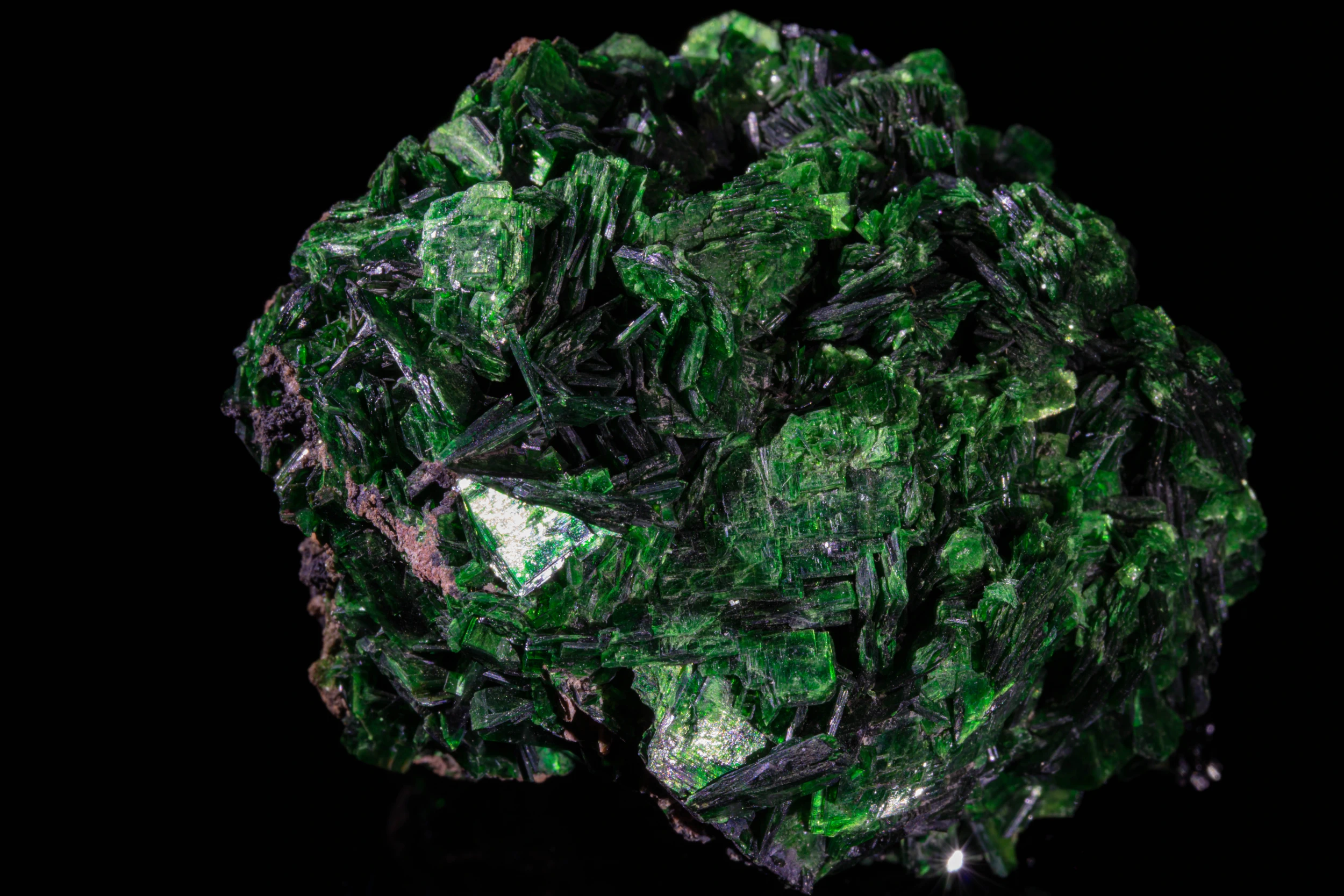
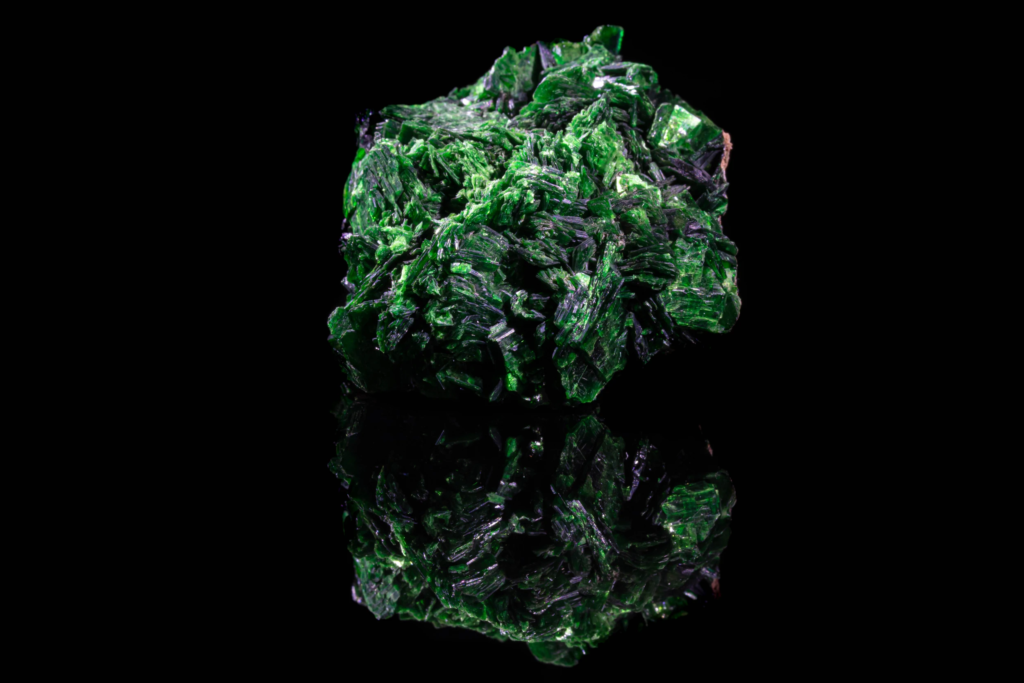
Cabinet: Small Cabinet (4.5 - 7 cm) – Size: 5.4 x 4.8 x 4.1 cm Origin: Musonoi Mine, Kolwezi, Lualaba – Congo (DRC) History: Ex Bob Reynolds Collection

Notes

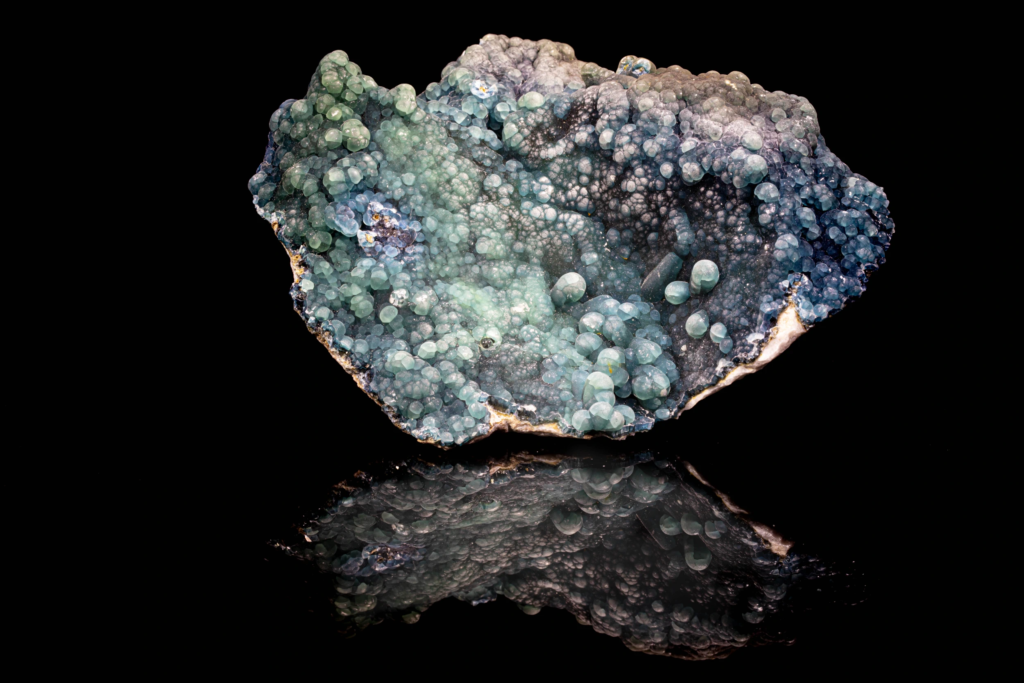
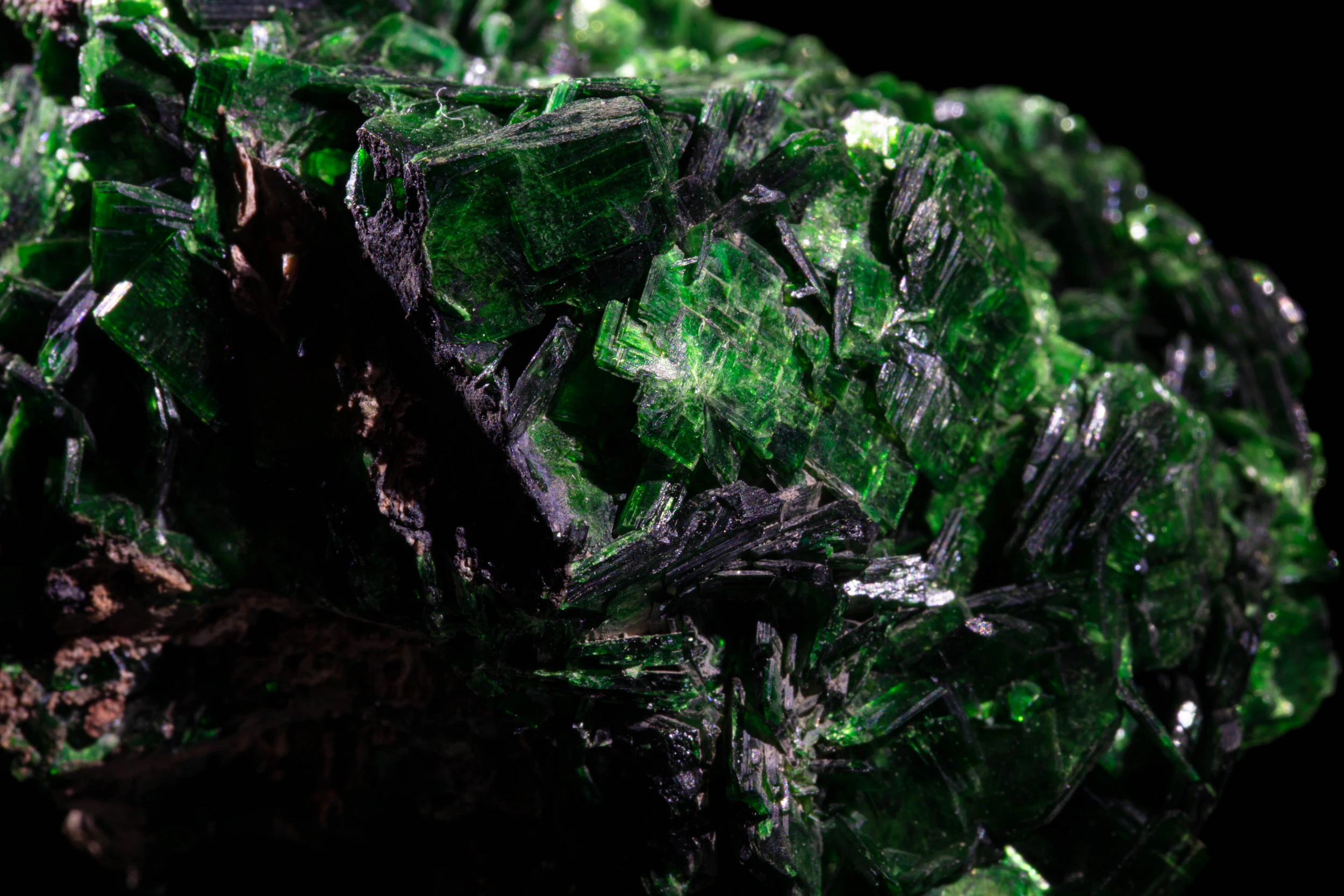
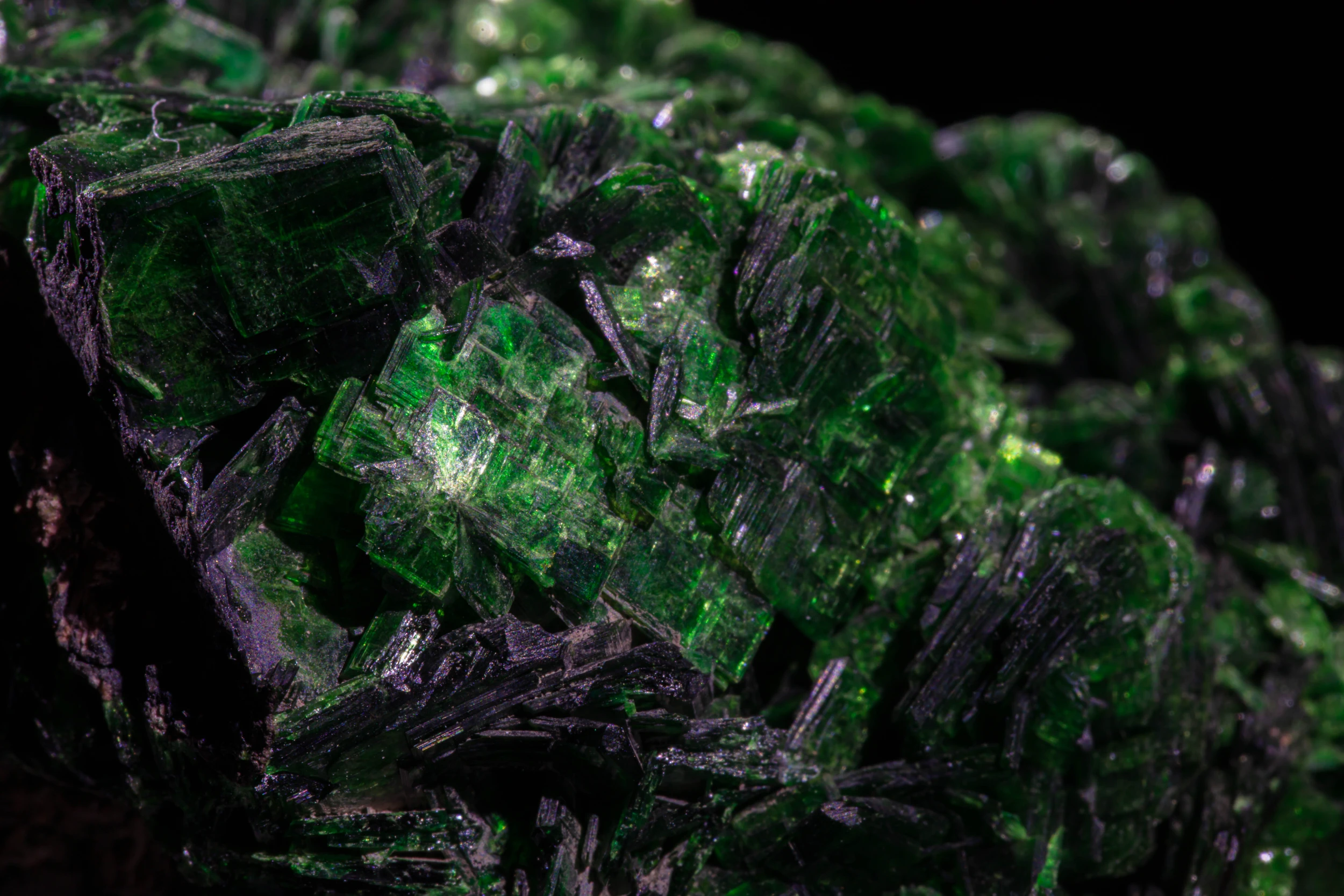
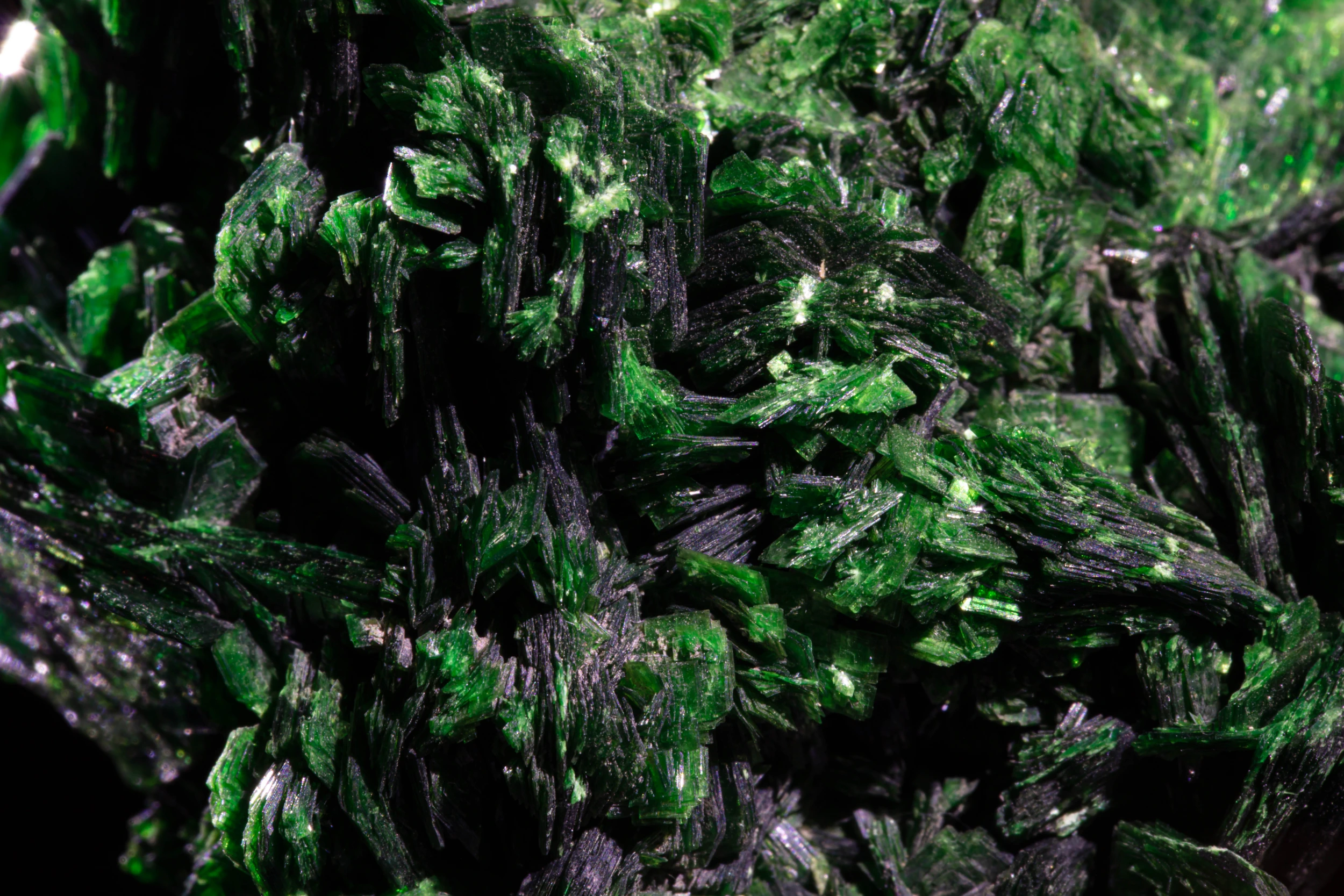
Bright green, square tabular crystals of metatorbernite stand on edge in every direction, packed into a rounded cluster that catches the light like a handful of green glass. The open pit it comes from, a copper, cobalt and uranium deposit, produced what are considered the finest examples of the species, and by the mid-1990s they were already old classics. Miners sometimes called them green wulfenite, for the thin square plates that recall that mineral. When the Mineralogical Record devoted its March-April 2018 issue to the mine, a metatorbernite from there made the cover. This piece comes from the collection of Bob Reynolds, a well-known fossil and mineral expert. Like all uranium minerals it is radioactive, and is best kept in a ventilated cabinet.

Mineral Species

Did you know?

Metatorbernite has an unexpected use to science: cleaning up uranium. Because it locks the metal into a solid that water cannot easily carry away, researchers study growing it on purpose in contaminated ground, turning loose radioactive pollution into a stable green mineral that stays put.