Scheelite

The Specimen

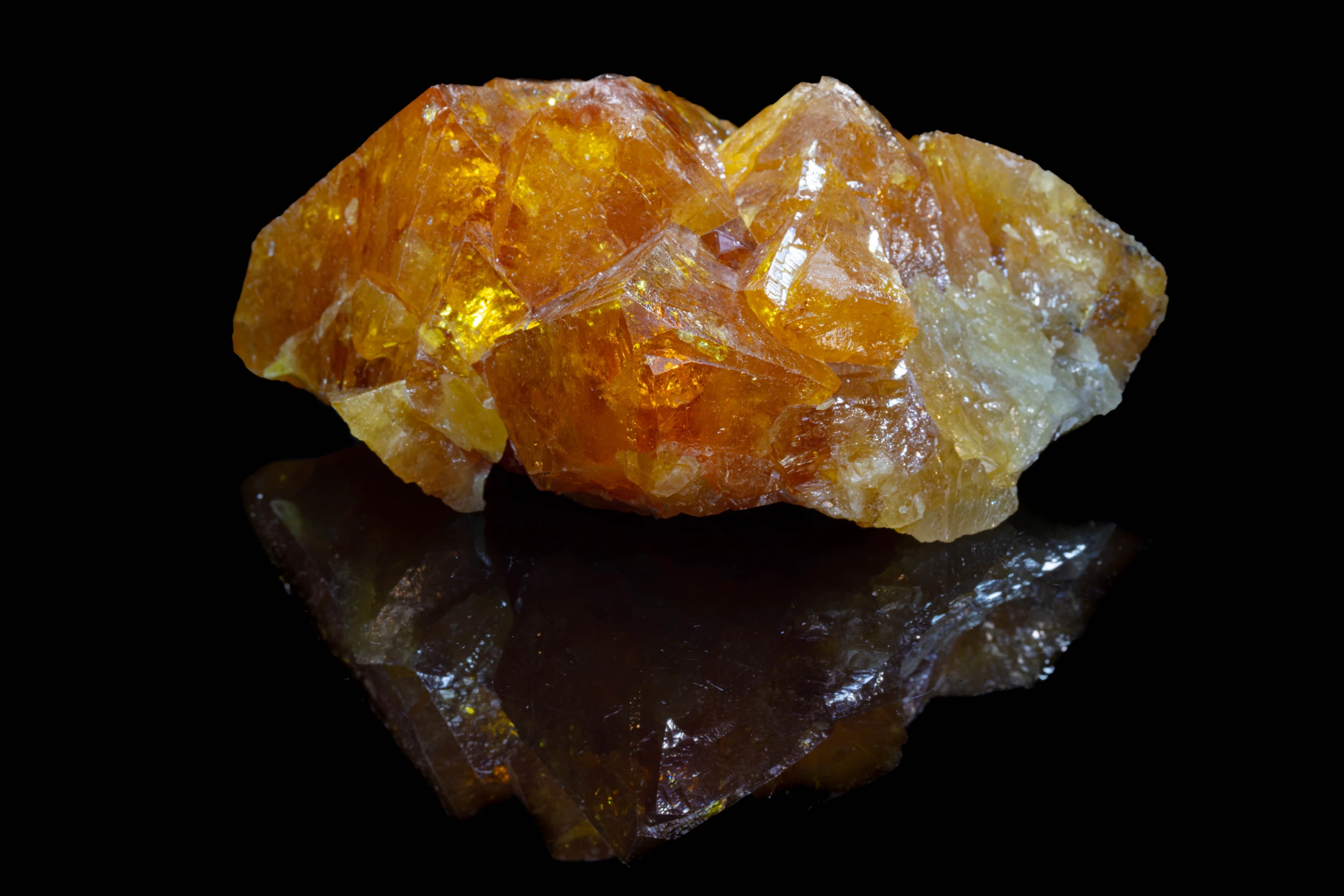
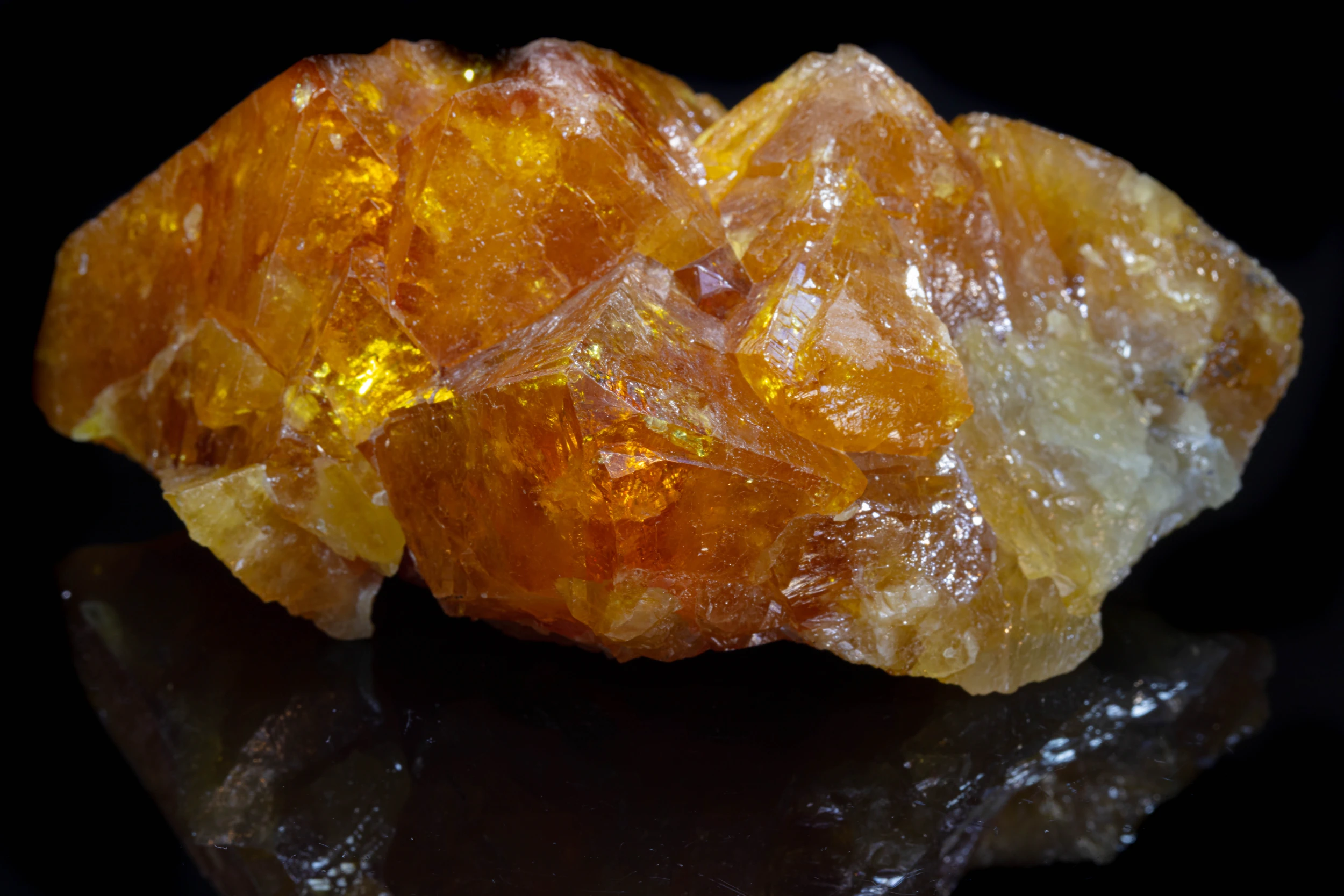
Cabinet: Large Cabinet (10 cm+) – Size: 11.3 x 8.3 x 4.6 cm Origin: Pingwu Beryl Mine, Huya Township, Mount Little Xuebaoding, Pingwu County, Mianyang, Sichuan – China

Notes

This specimen comes from the Pingwu Beryl Mine, in Huya Township, Pingwu County, Sichuan, China. The deposit lies at about 4,000 to 4,300 meters. Specimens from here are often labeled Mount Xuebaoding, but Mindat notes that the true source is Mount Little Xuebaoding, in Pingwu County. Since its discovery in the 1950s, the area has become a world-class source of scheelite, cassiterite and beryl.
Scheelite is calcium tungstate, an ore of tungsten. Like most scheelite, it glows blue under ultraviolet light.
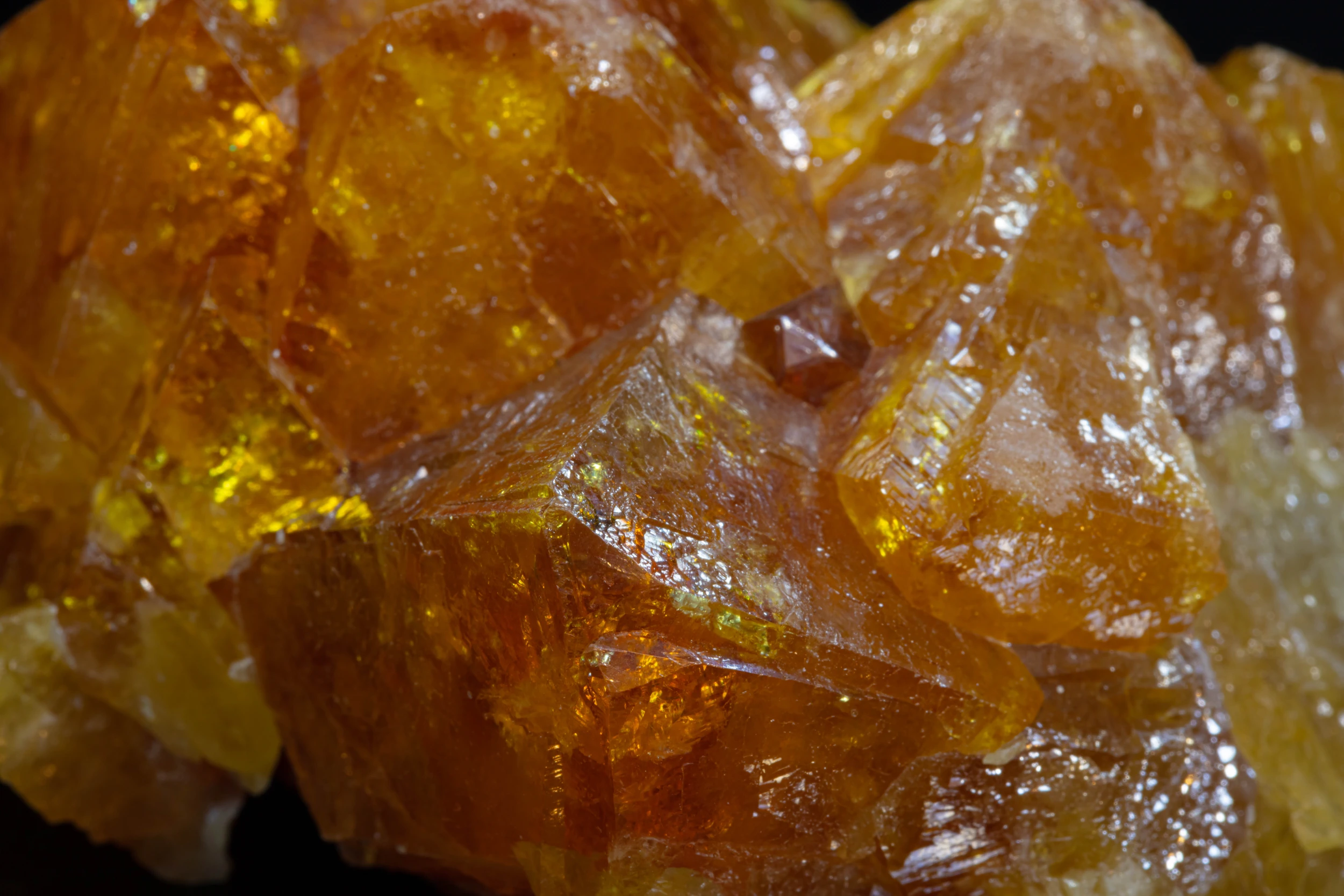
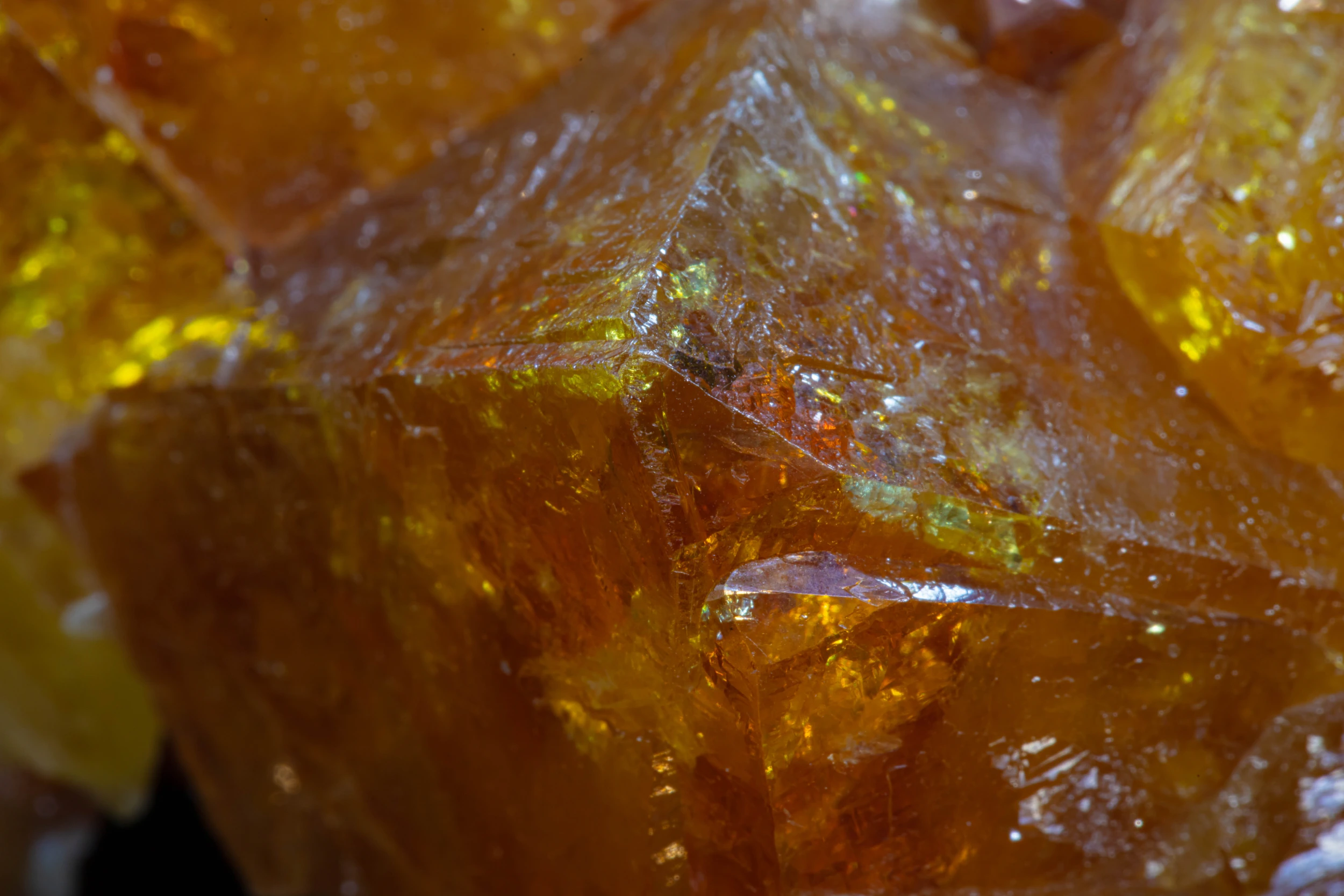
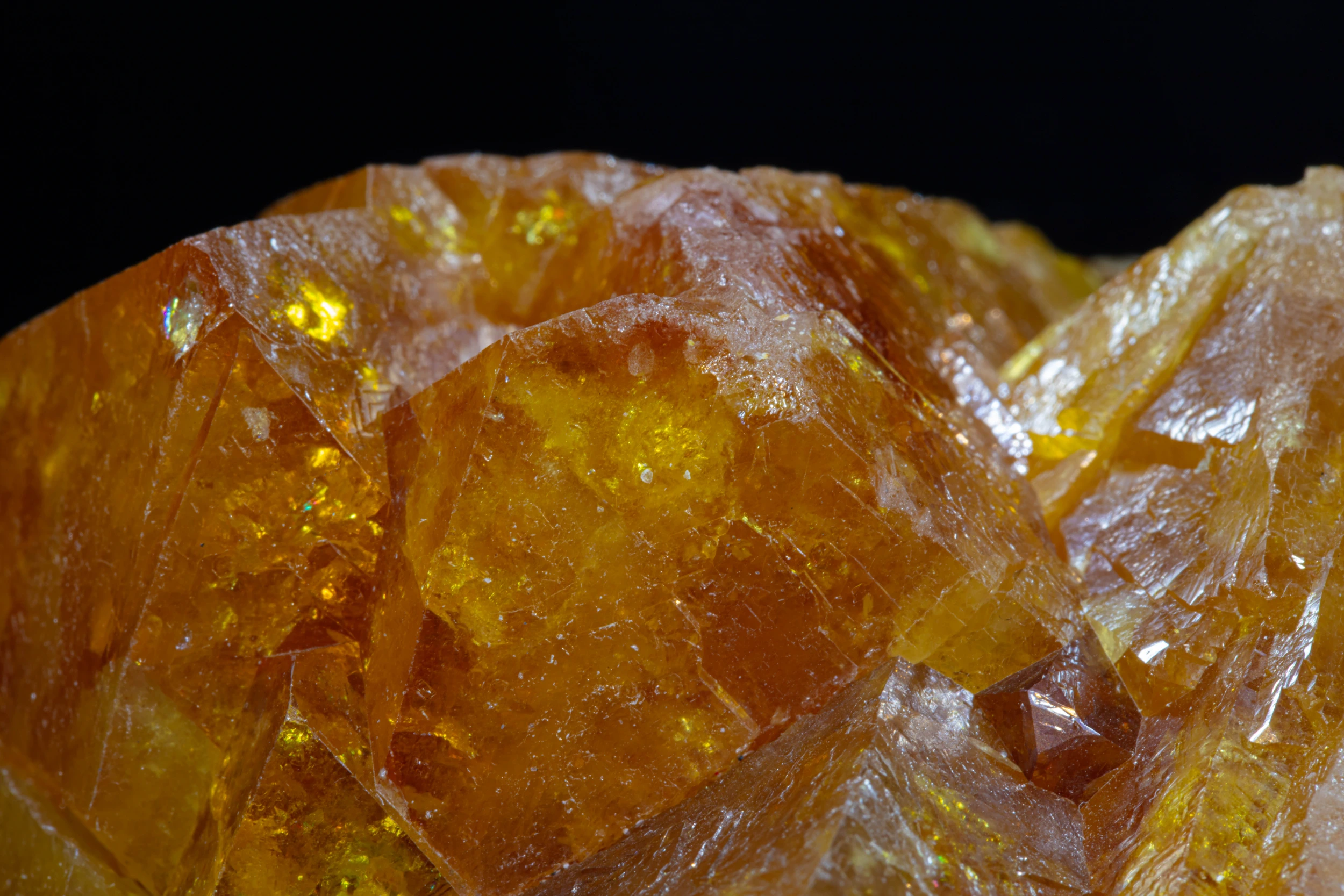
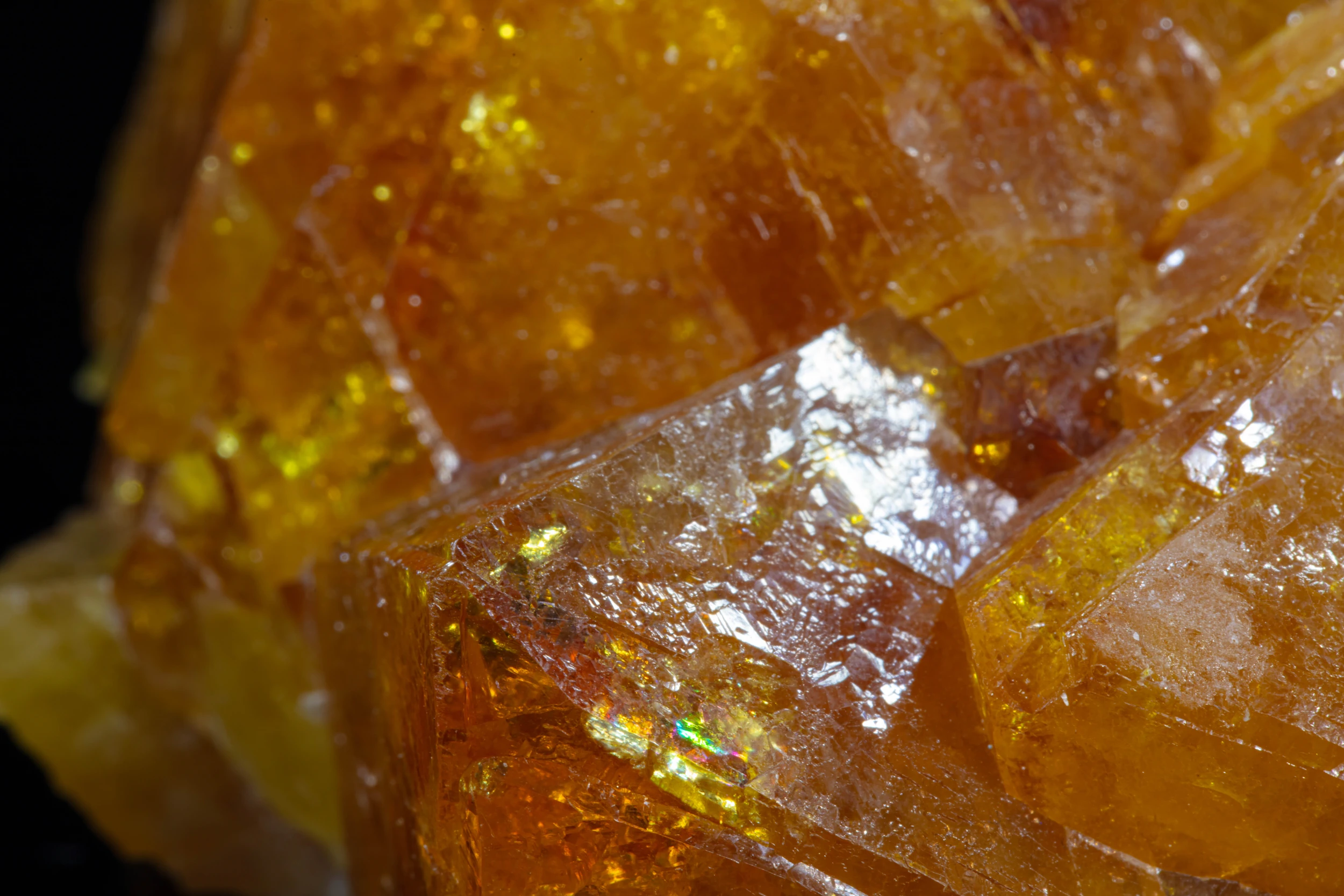
Here, a matrix-free group of sharp, pseudo-octahedral scheelite crystals shows a rich orange color, with small gem-clear areas near the tips. According to the dealer, the group broke free from the pocket wall while it was still growing and kept crystallizing, so its underside is covered with hundreds of small crystal faces. A natural, unrepaired crack runs partway through the piece. A small reddish-brown crystal sits on one face: it is not identified, but it is probably cassiterite, a tin oxide common in this deposit.

Mineral Species

Did you know?

The metal locked in scheelite, tungsten, has the highest melting point of any metal, near 3,400 degrees Celsius. That is why it was the glowing thread inside the old light bulb, and why it tips the tools that cut all other metals. The heavy stone in your hand carries the most heat resistant metal on Earth.