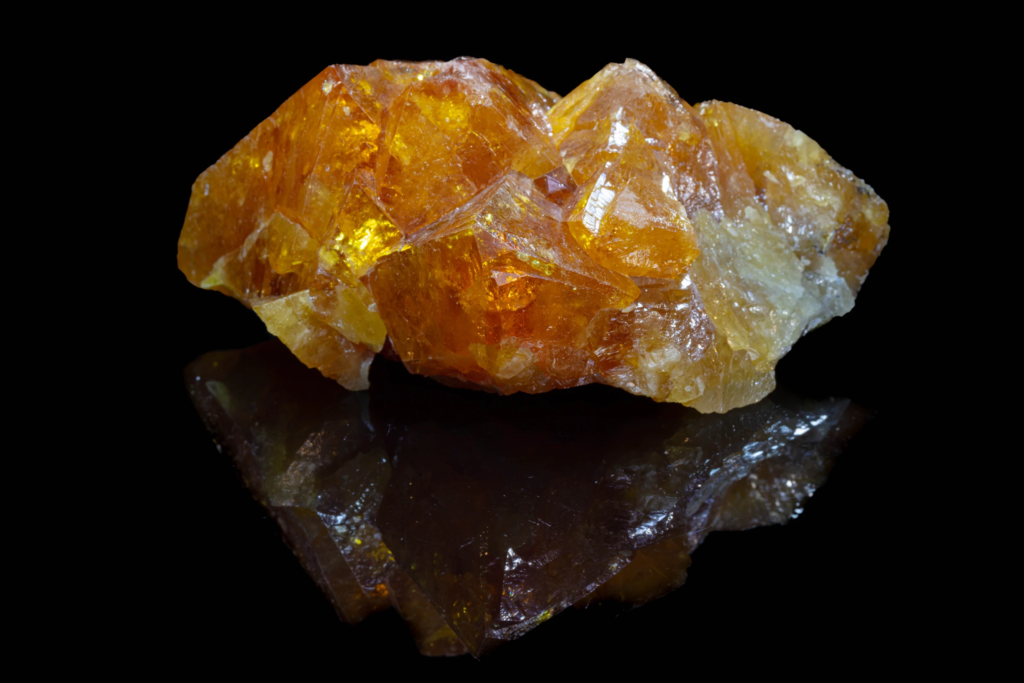
Fluorite “Ice Cubes”, Galena & Quartz


The Specimen
Notes
Mineral Species
CaF2
Fluorite
Talc (1)Diamond (10)
Softer than glass. A steel knife scratches it.
PbS
Calcite
Talc (1)Diamond (10)
Soft. A fingernail can scratch it.
SiO2
Quartz
Talc (1)Diamond (10)
Very hard. Scratches glass and steel.
Fe1-xS
Fluorite
Talc (1)Diamond (10)
Softer than glass. A steel knife scratches it.
Did you know?
FluoriteFluorite gave fluorescence its name. In 1852 the physicist George Stokes, studying the mineral's glow under invisible light, coined the word for the whole phenomenon after the stone itself.
GalenaGalena was the heart of the first crystal radios. Acting as a natural semiconductor, it let a fine wire called the cat's whisker pull voices from the air with no battery at all.
QuartzPressing a quartz crystal makes it give off a precise electric beat, which is why it keeps time in nearly every watch and once tuned the radios of World War II, when good crystals were a strategic resource.
PyrrhotitePyrrhotite is one of the very few sulfide minerals a magnet will actually tug at, which earned it the name magnetic pyrite.