Metatorbernite

The Specimen

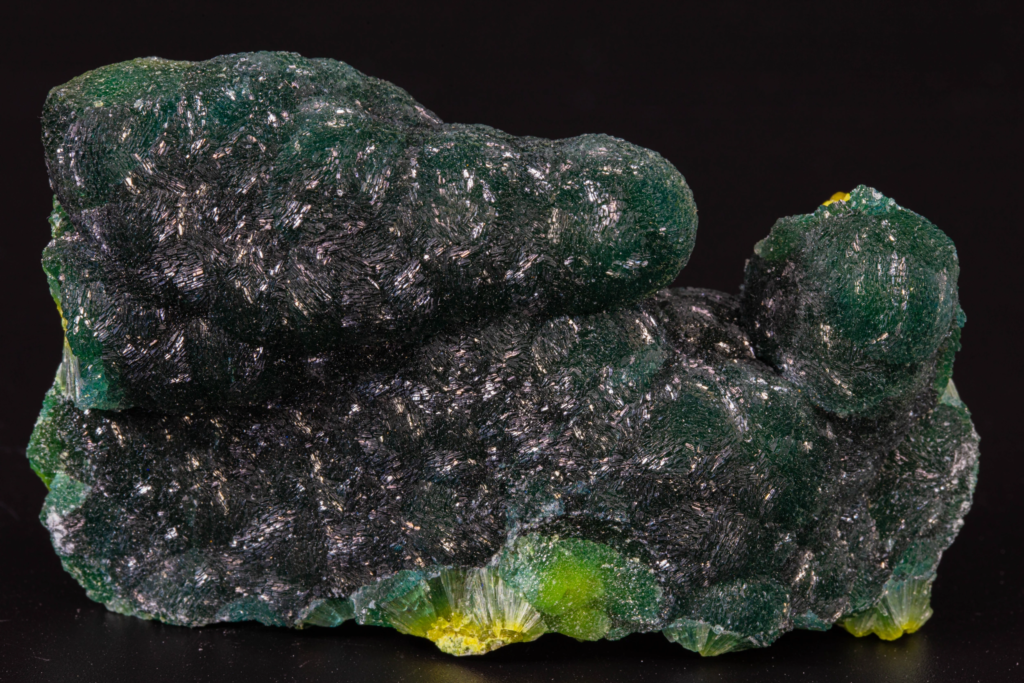
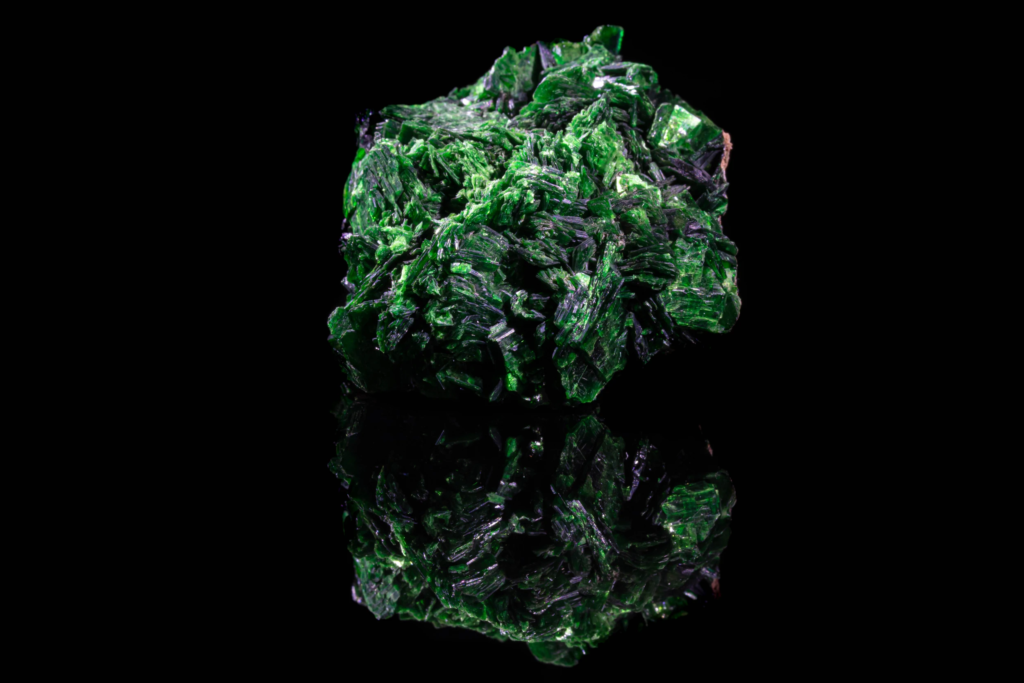
Cabinet: Small Cabinet (4.5 - 7 cm) – Size: 5.4 x 4.8 x 4.1 cm Origin: Musonoi Mine, Kolwezi, Lualaba – Congo (DRC) History: Ex Bob Reynolds Collection

Notes

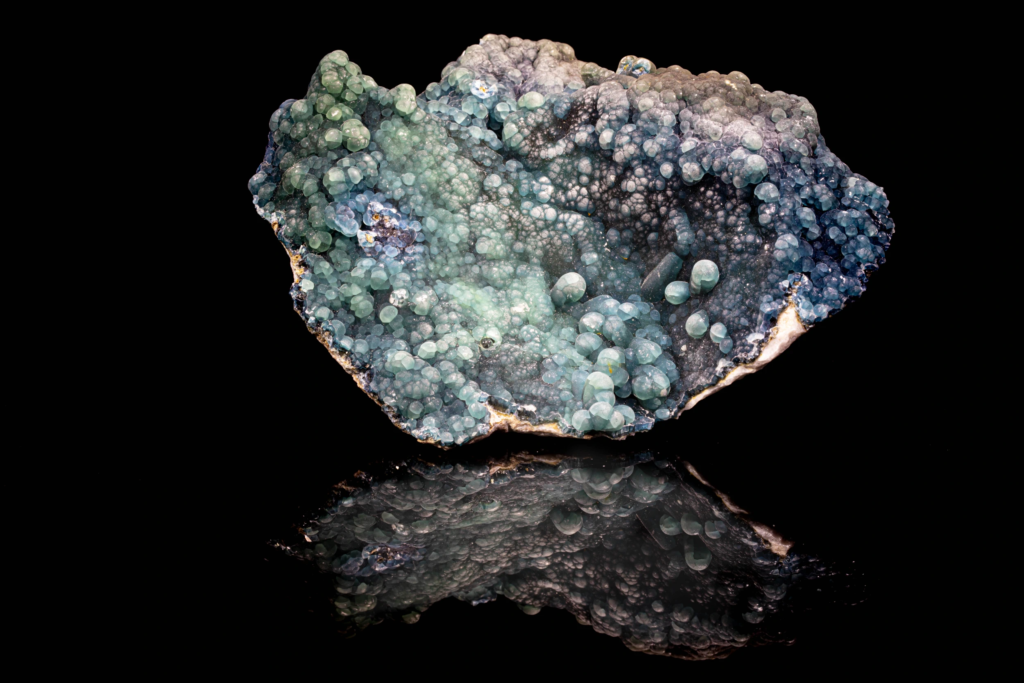
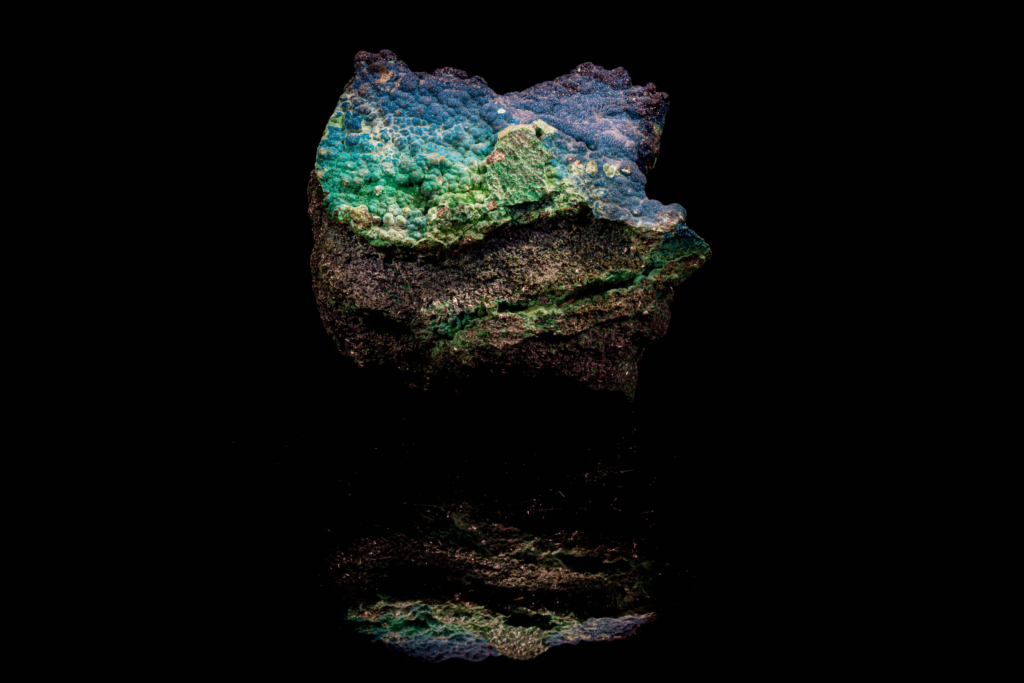
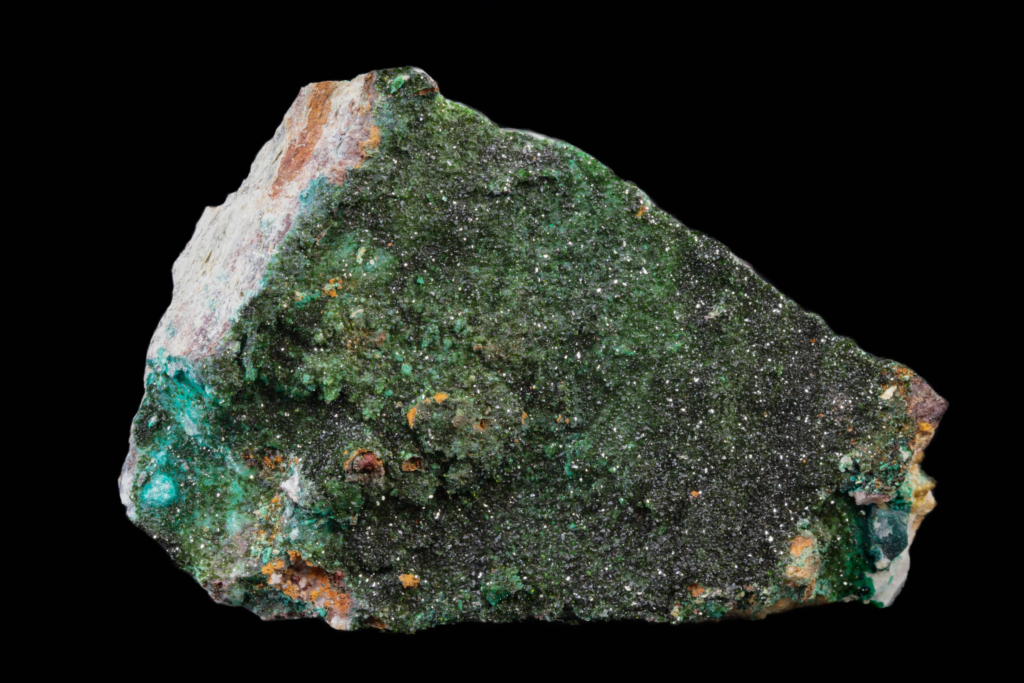
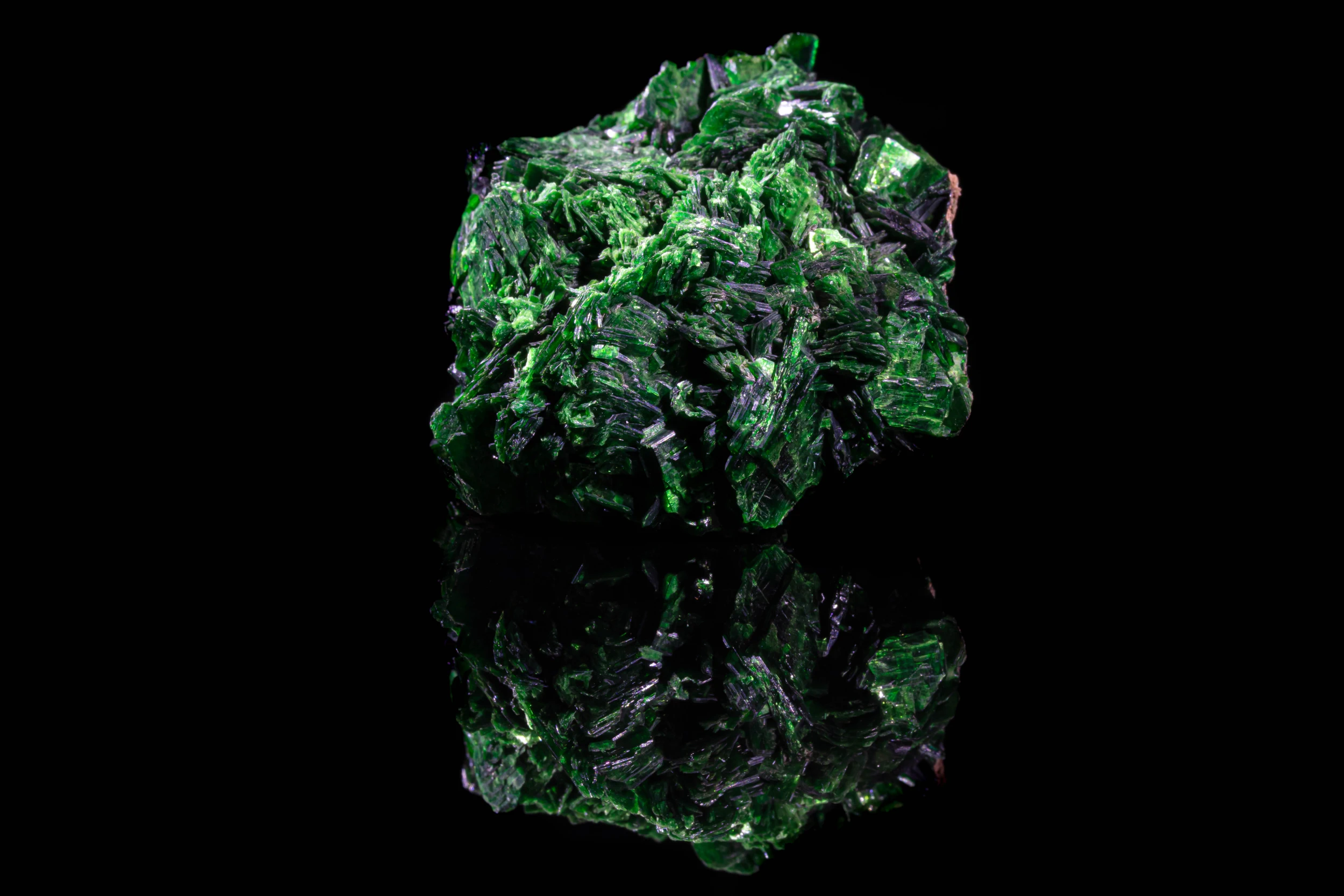
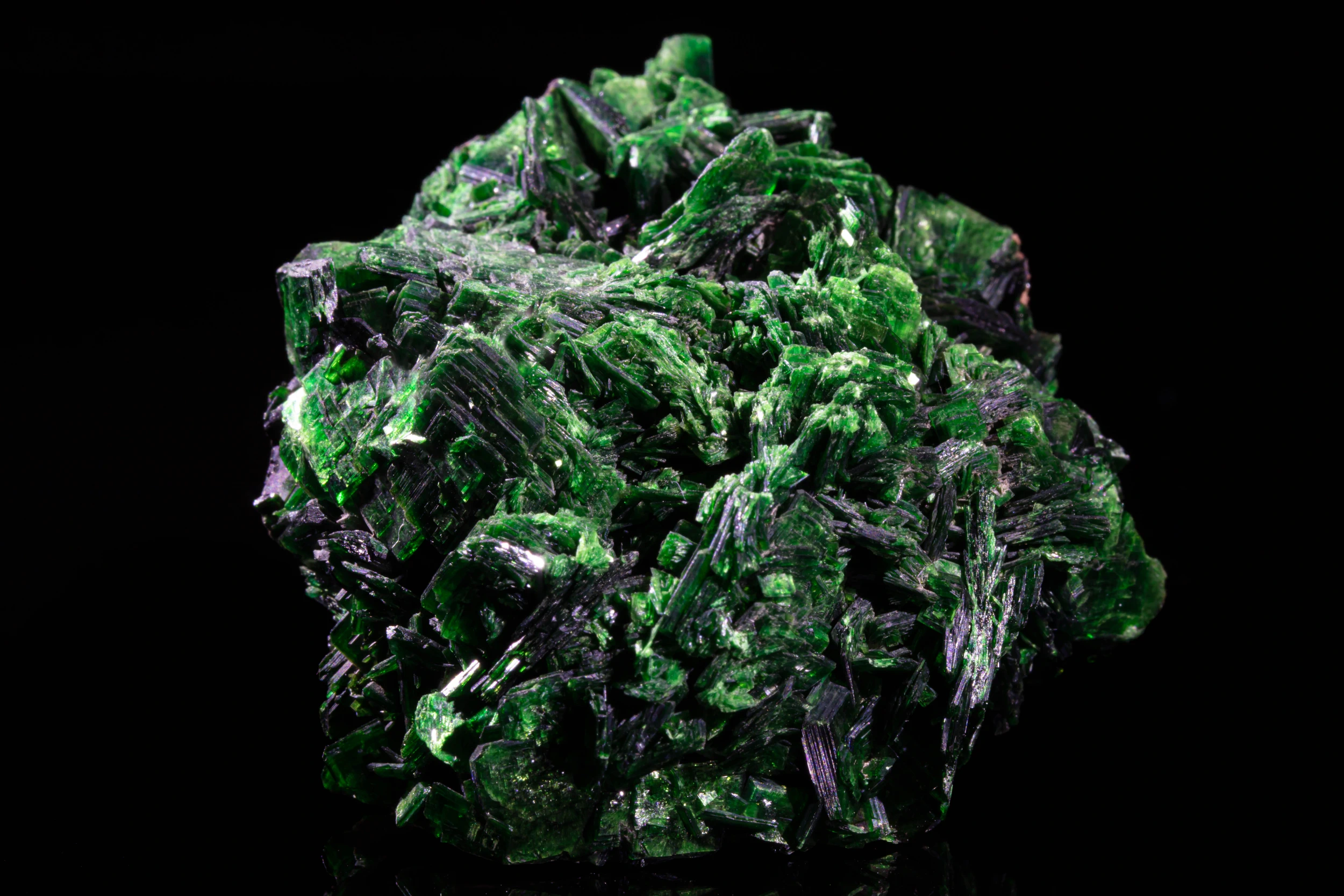
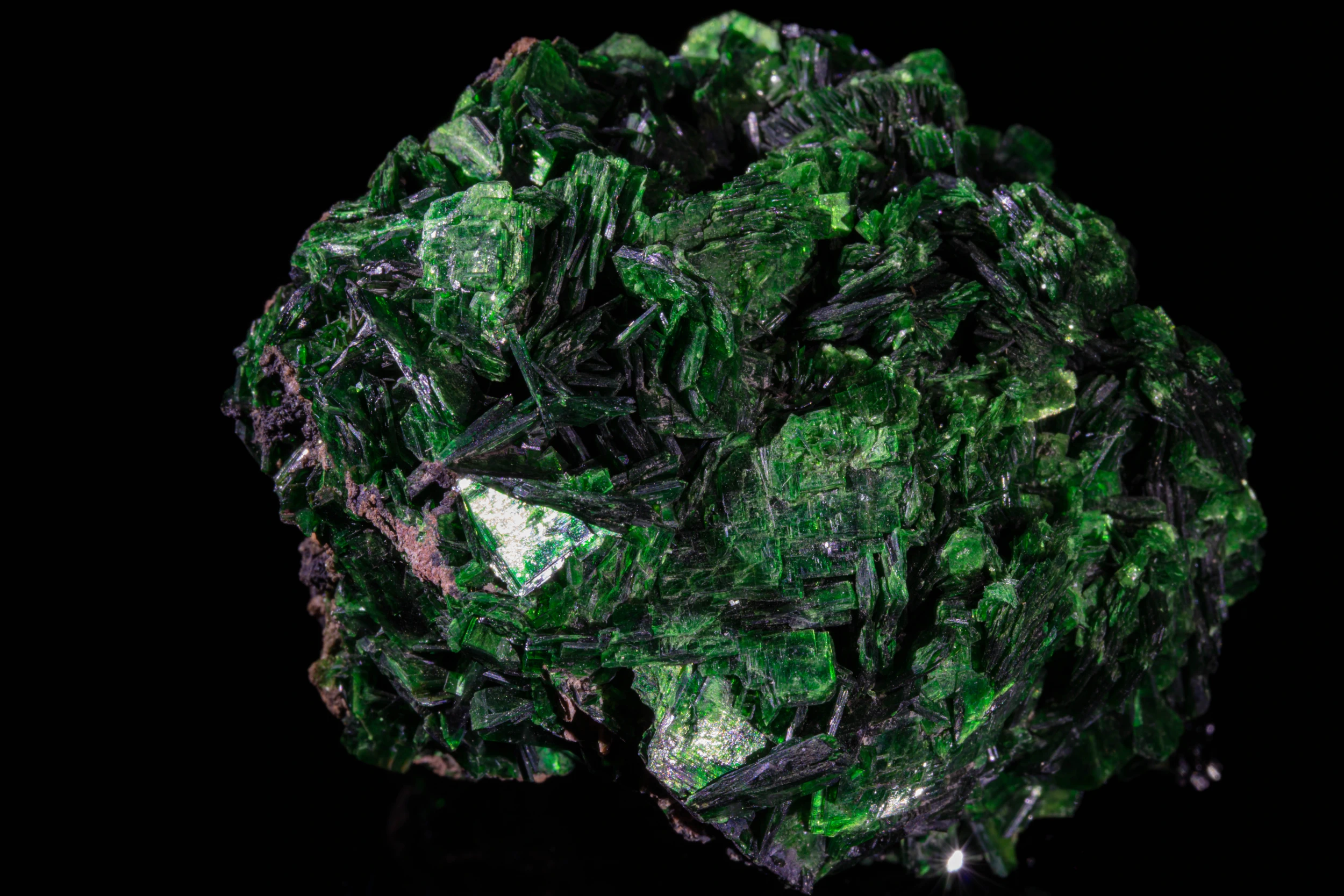
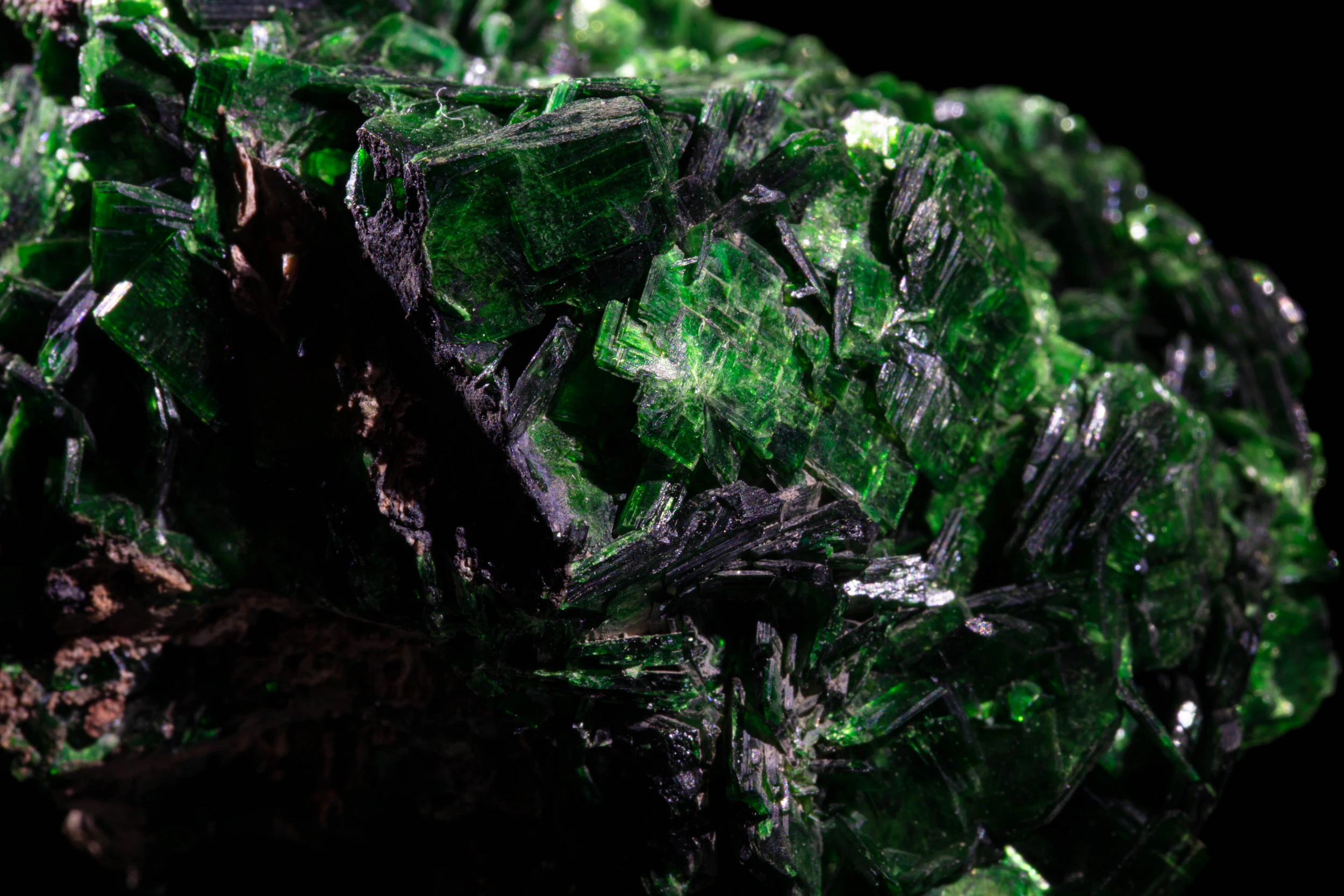
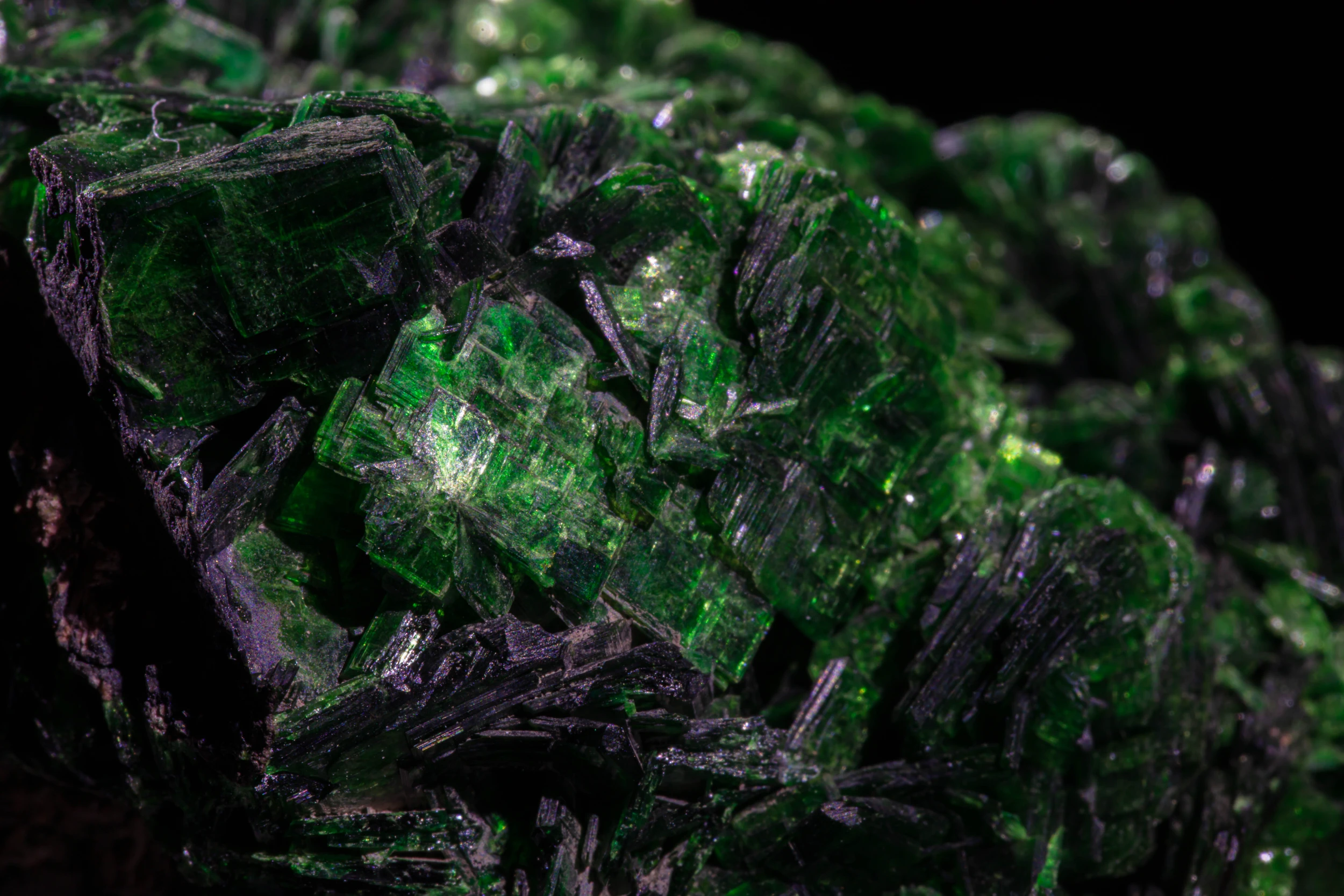
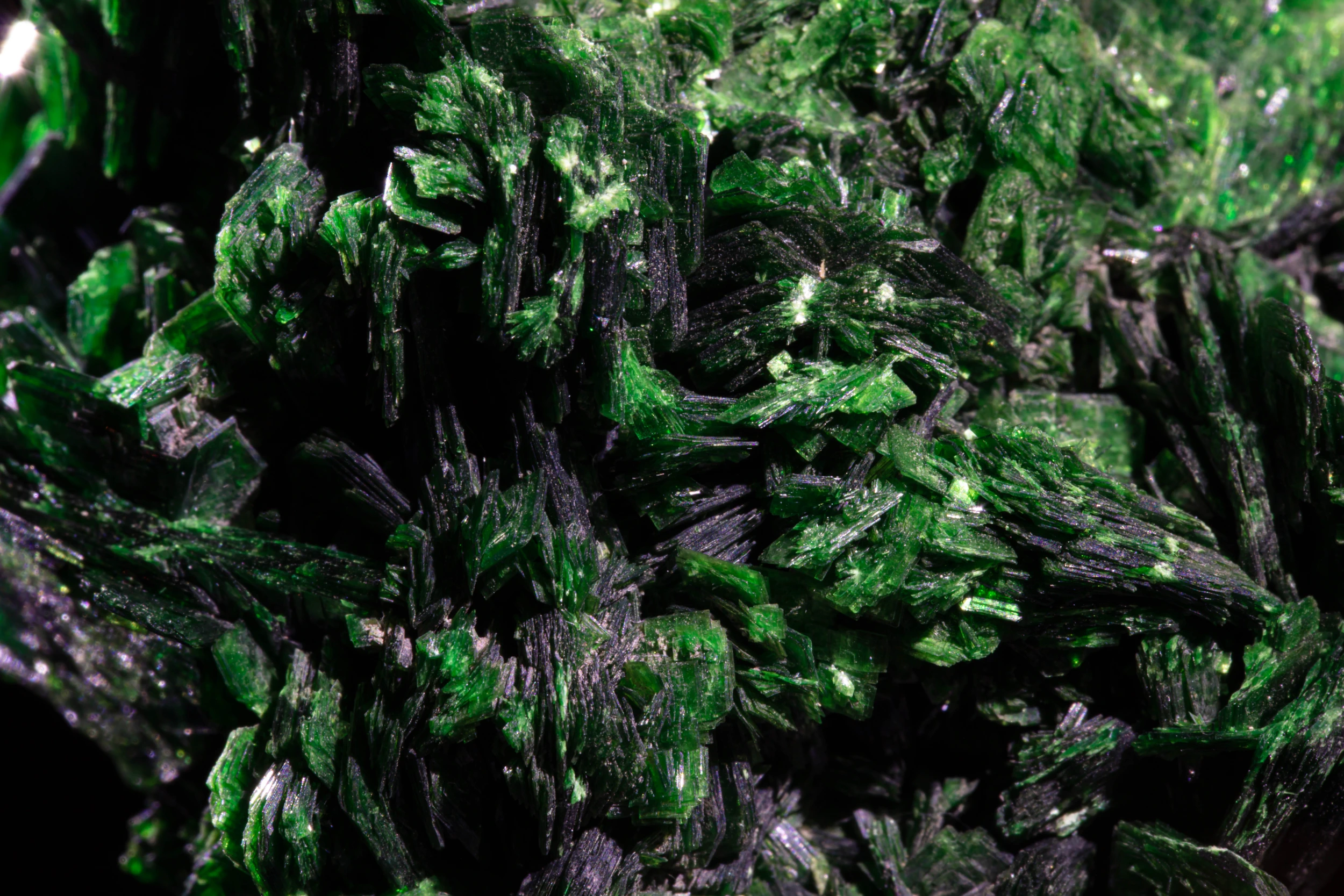
This specimen comes from the Musonoi Mine, an open pit just west of Kolwezi in the Lualaba province of the Democratic Republic of Congo. The deposit was mined for copper and cobalt, but it also held uranium, and near the surface water and air broke down the uranium ore into a long list of colorful secondary minerals. Metatorbernite is one of them: a copper uranium phosphate that forms when torbernite slowly loses part of its water. Musonoi produced what are considered the finest examples of the species, and by the mid-1990s they were already old classics. Miners sometimes called them green wulfenite, for the thin square plates that recall that mineral. When the Mineralogical Record devoted its March-April 2018 issue to the mine, a metatorbernite from there made the cover. This piece comes from the collection of Bob Reynolds. Here, bright green, square tabular crystals stand on edge in every direction, packed into a rounded cluster that catches the light like a handful of green glass, with a little brown matrix at the base. Like all uranium minerals it is radioactive, and is best kept in a ventilated cabinet.

Mineral Species

Did you know?

Metatorbernite has an unexpected use to science: cleaning up uranium. Because it locks the metal into a solid that water cannot easily carry away, researchers study growing it on purpose in contaminated ground, turning loose radioactive pollution into a stable green mineral that stays put.