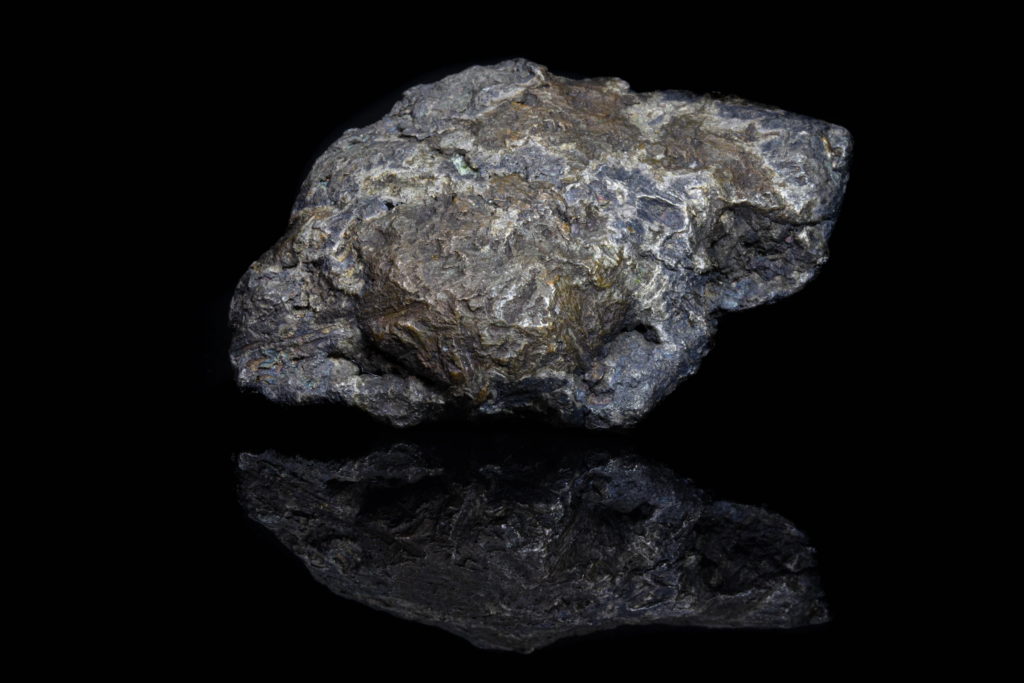
Nickeline with Nickelskutterudite
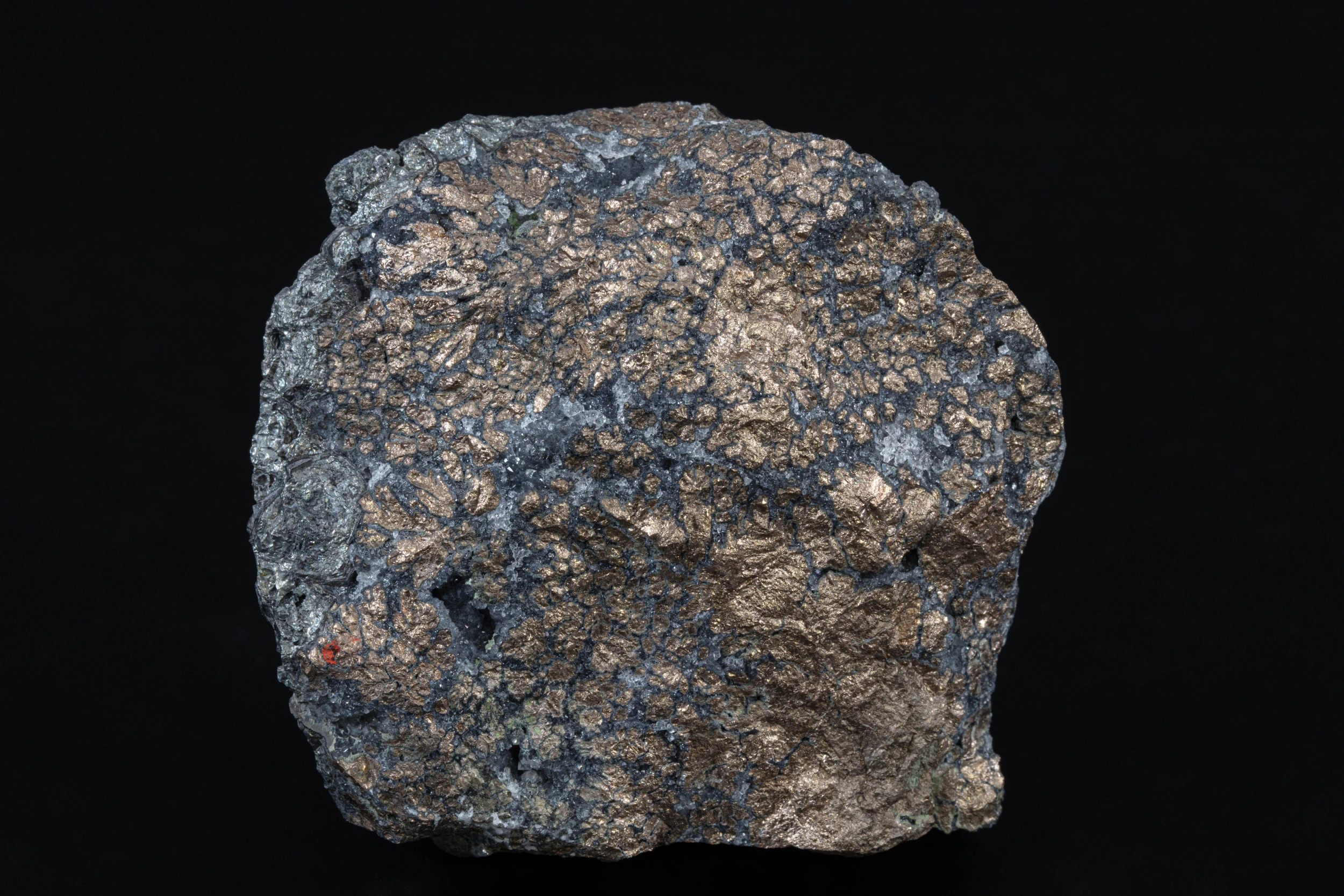
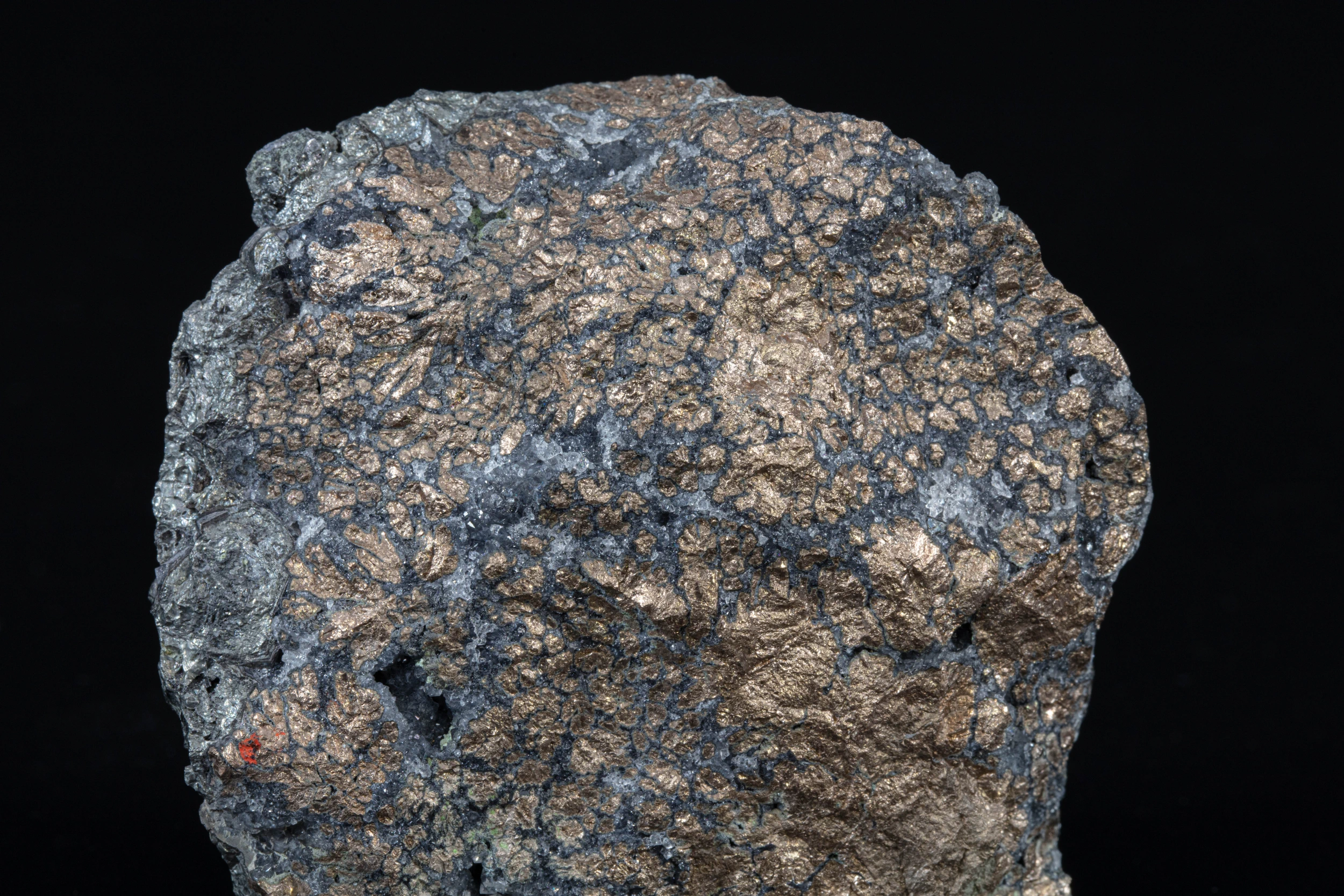
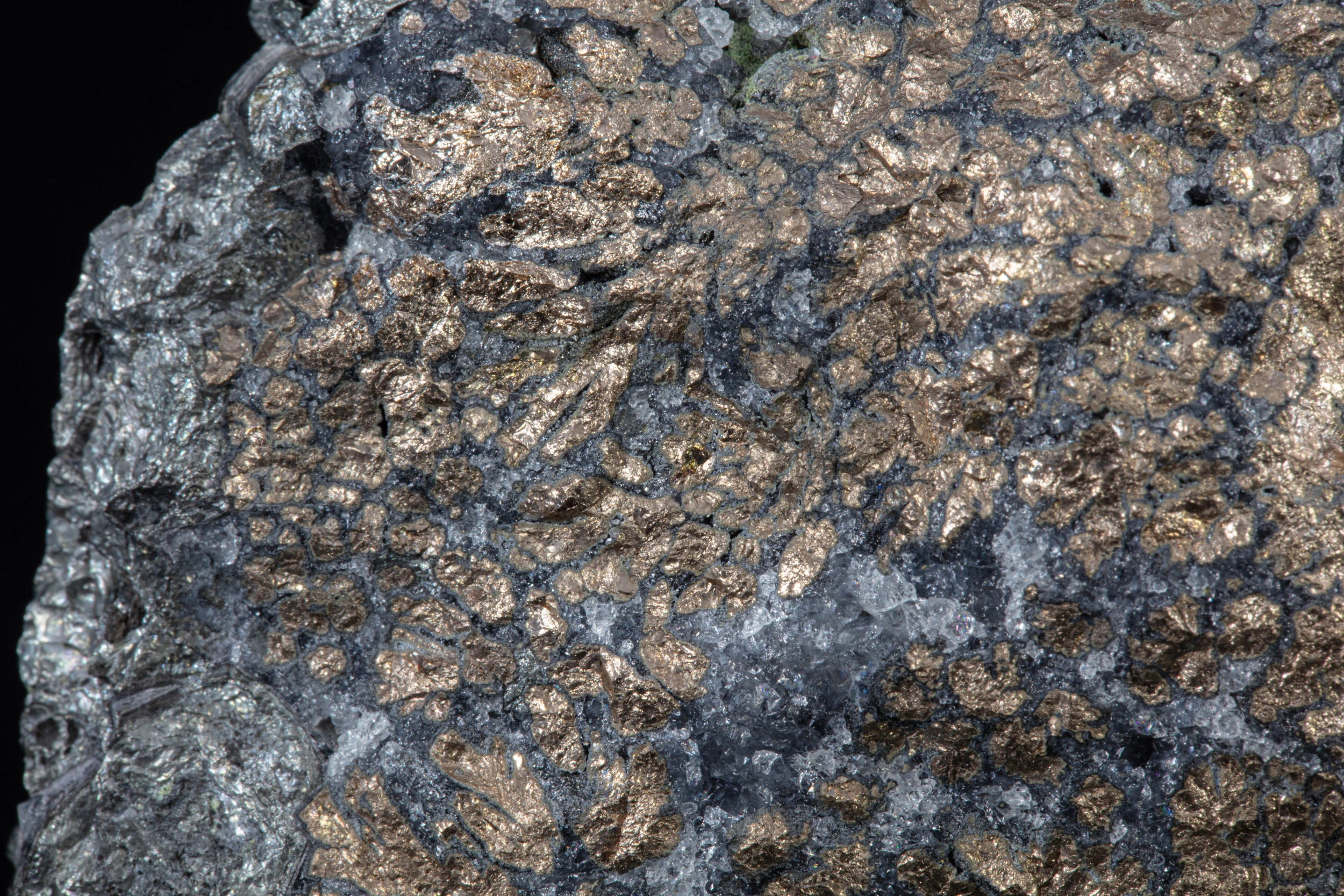
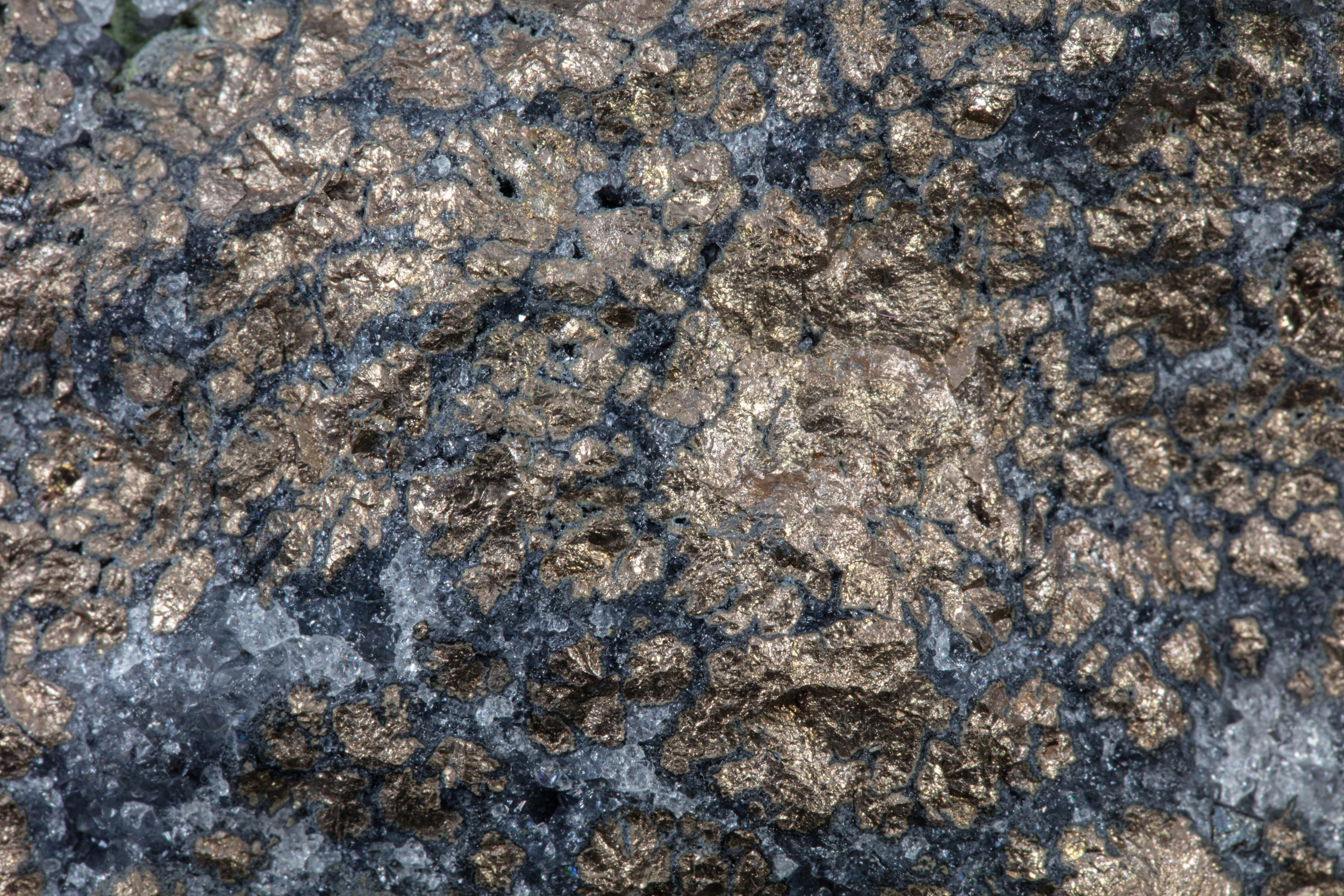
The Specimen
Notes
Mineral Species
NiAs
Apatite
Talc (1)Diamond (10)
About as hard as a steel knife blade.
(Ni,Co,Fe)As3
Orthoclase
Talc (1)Diamond (10)
Scratches glass. Harder than a steel knife.
SiO2
Quartz
Talc (1)Diamond (10)
Very hard. Scratches glass and steel.
Did you know?
NickelineMedieval miners hit copper-red nickeline expecting copper, got only poisonous fumes, and blamed a goblin, Old Nick. The mineral kept its curse in its name, and later gave us the element nickel.
NickelskutteruditeNickelskutterudite looks like a plain lump of tin-white metal, but its cage-like structure lets loose atoms rattle inside, trapping heat while letting electricity pass. That rare trick makes its mineral family a model for the thermoelectric generators that power deep-space probes.
QuartzPressing a quartz crystal makes it give off a precise electric beat, which is why it keeps time in nearly every watch and once tuned the radios of World War II, when good crystals were a strategic resource.