Plancheite

The Specimen

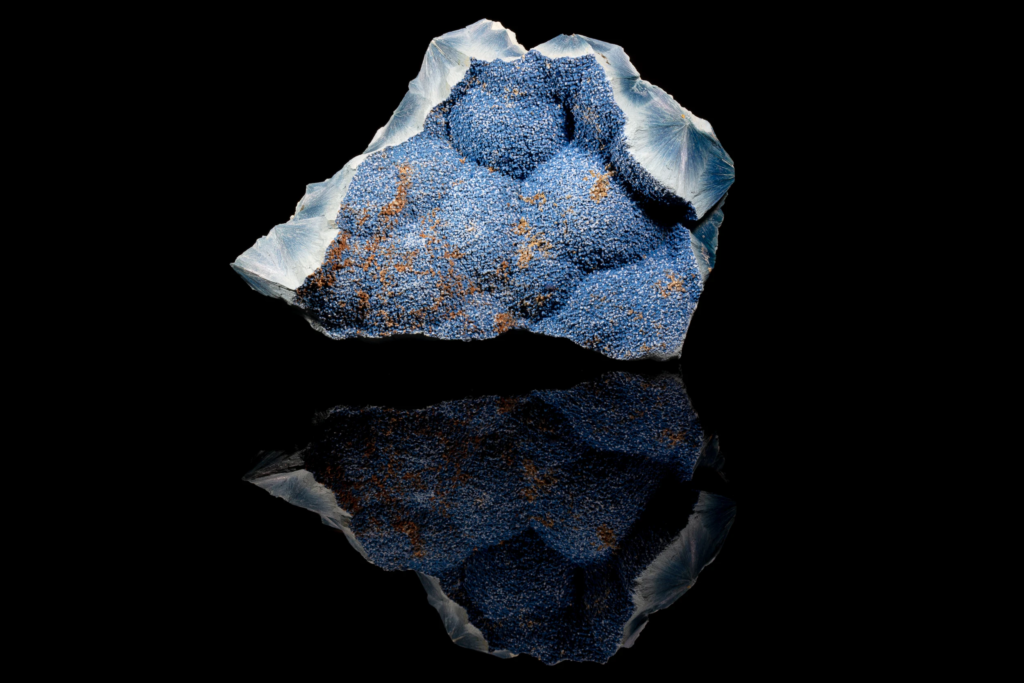
Cabinet: Small Cabinet (4.5 - 7 cm) – Size: 5.0 x 4.4 x 2.0 cm Origin: Kamoya South II Mine, Kamoya, Kambove, Haut-Katanga – Congo (DRC)

Notes

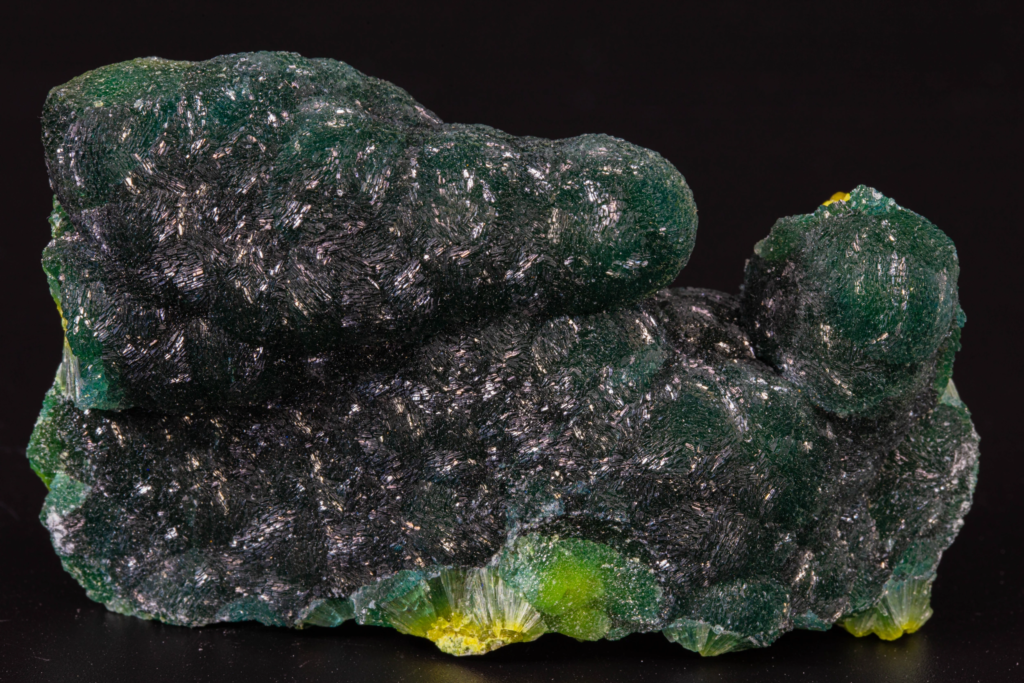
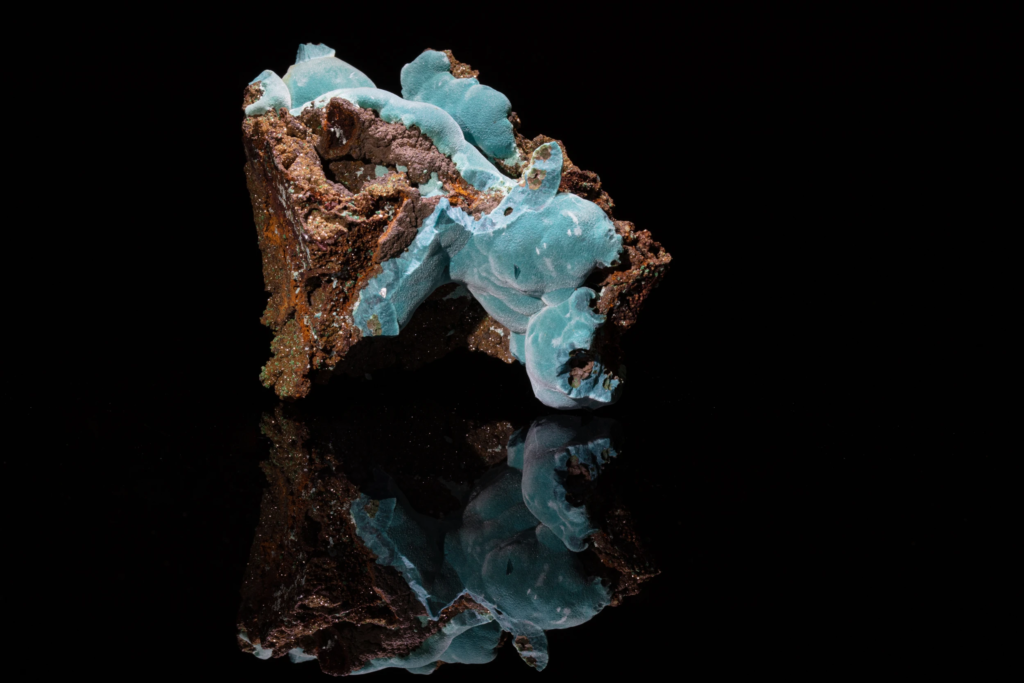
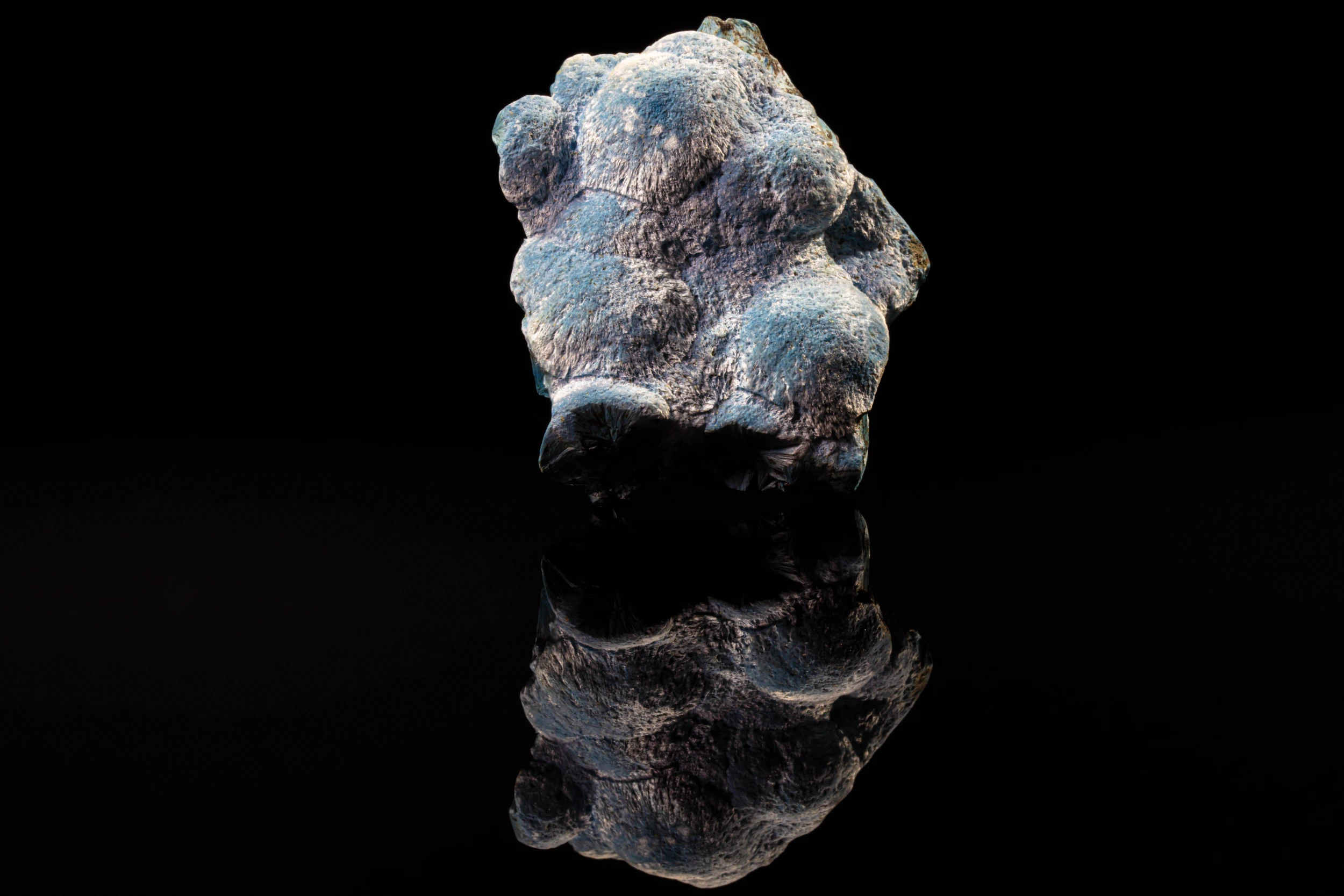
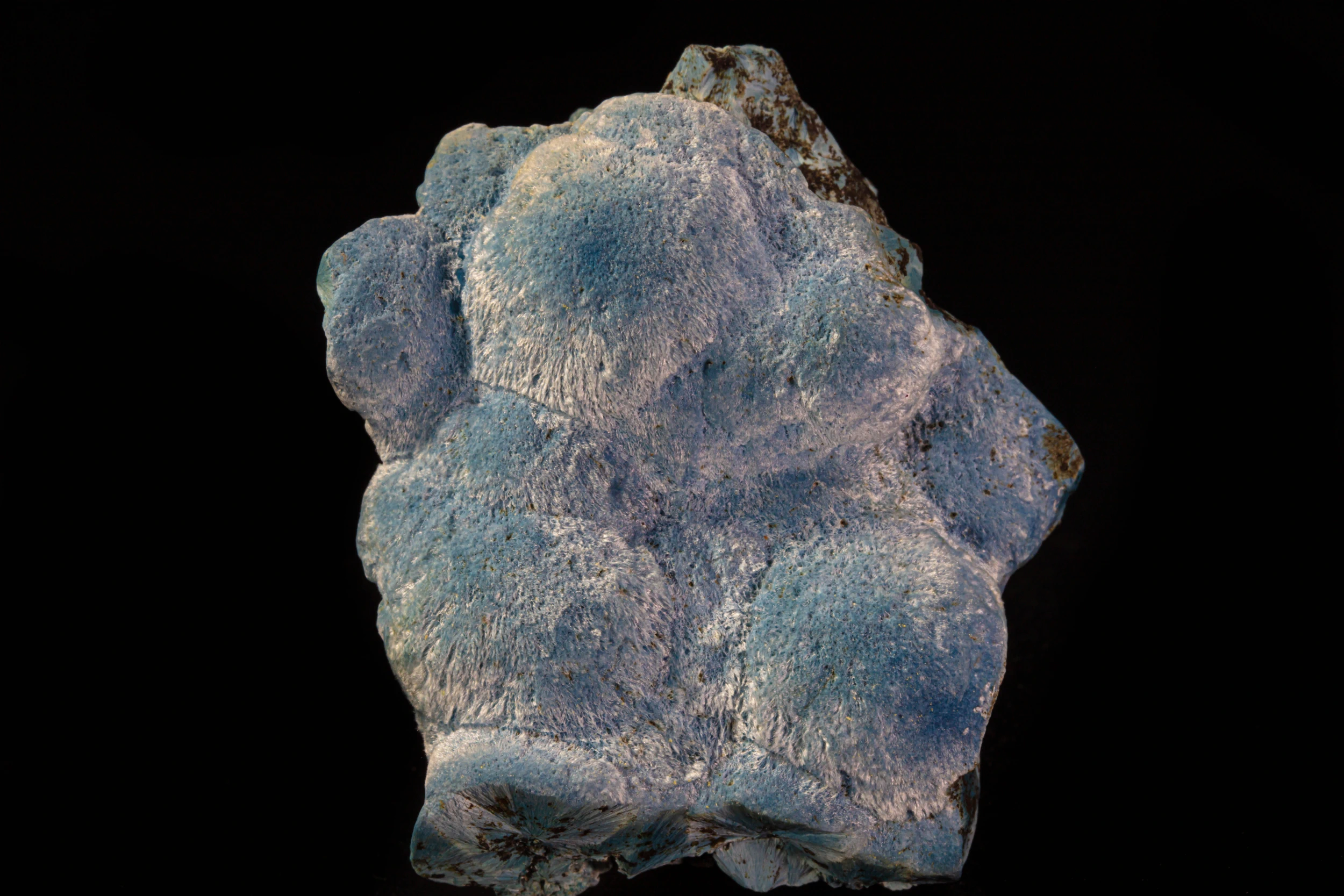
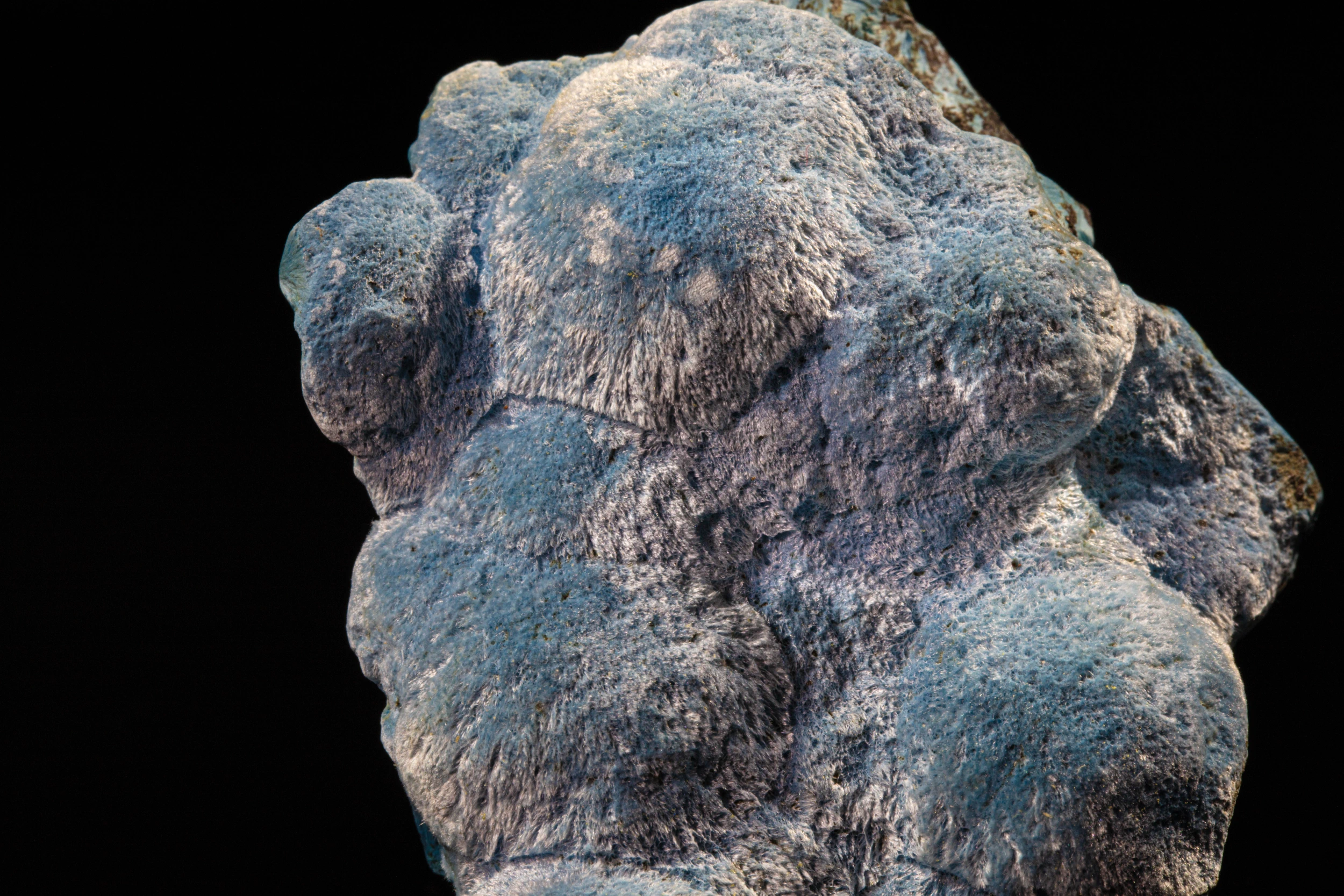
This specimen comes from the Kamoya South II Mine near Kambove, in the Haut-Katanga province of the Democratic Republic of Congo, in the heart of the Central African Copperbelt. The open pit was opened in 1998 and worked under strict secrecy: guards enforced a no-specimen rule, so for years its minerals were sold under the names of other mines. It became famous in the early 2000s for carrollite, a copper-cobalt sulfide, in crystals of a size and quality never seen before. Near the surface, water broke down the copper ore and grew blue and green copper minerals, among them plancheite, a copper silicate made of long, thin fibers. Here, soft-looking, rounded puffballs of pale blue plancheite, each one built from tiny needles, join into a solid, sculptural crust. The surface has a silky shimmer that shifts as the light moves across it.

Mineral Species

Did you know?

Plancheite and shattuckite are two blue copper silicates so alike that for years no one was sure they were different minerals. They were described, declared identical, then split apart again, and only careful chemistry finally settled that they are truly two species.