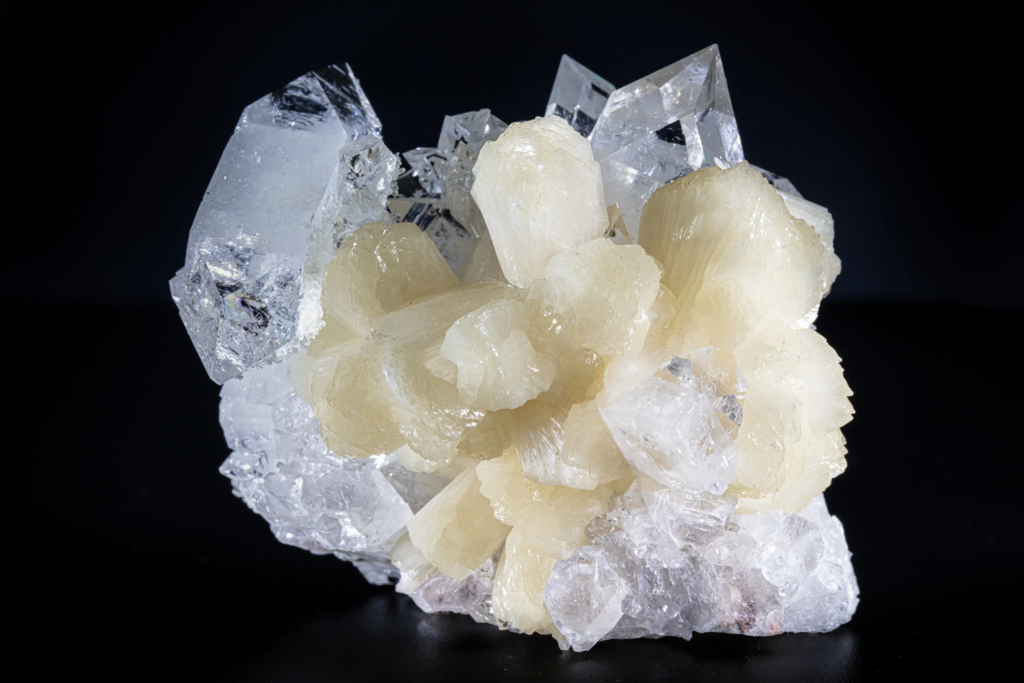
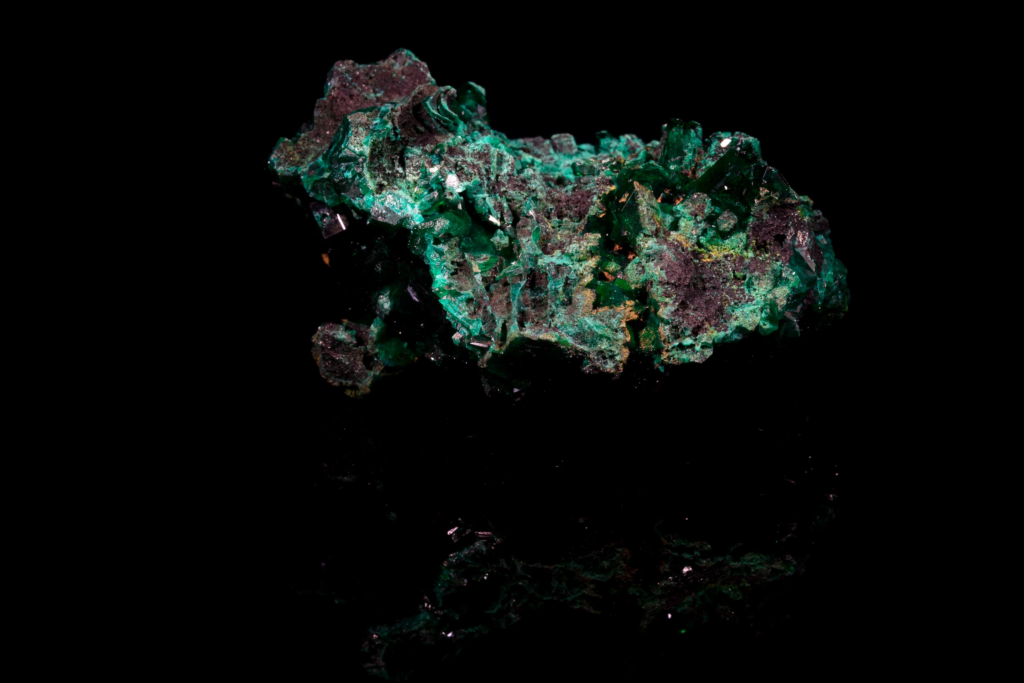
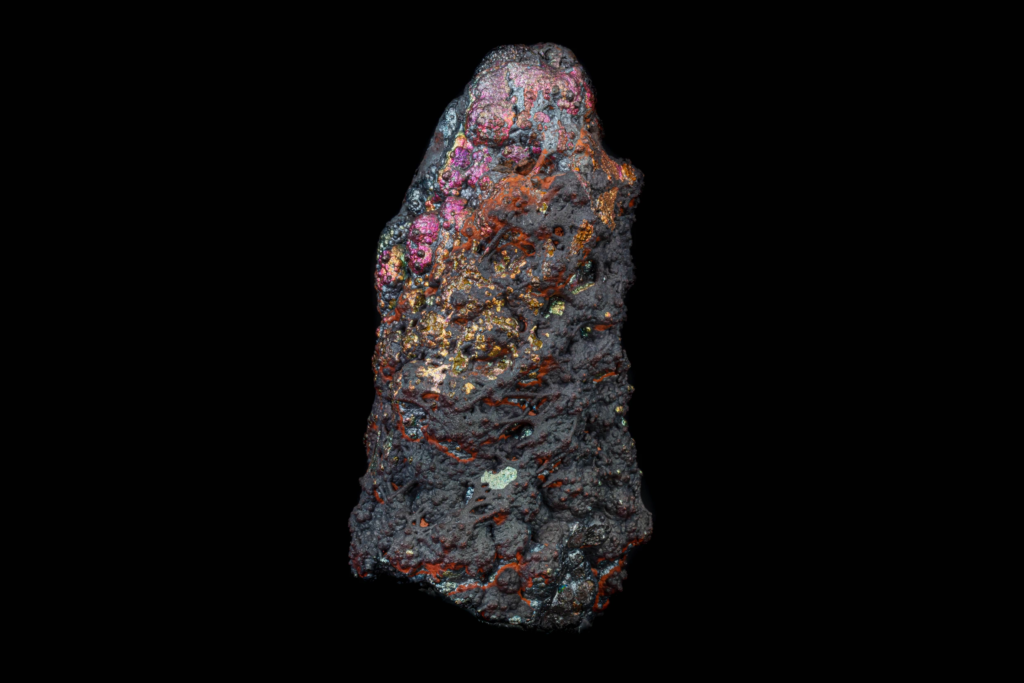
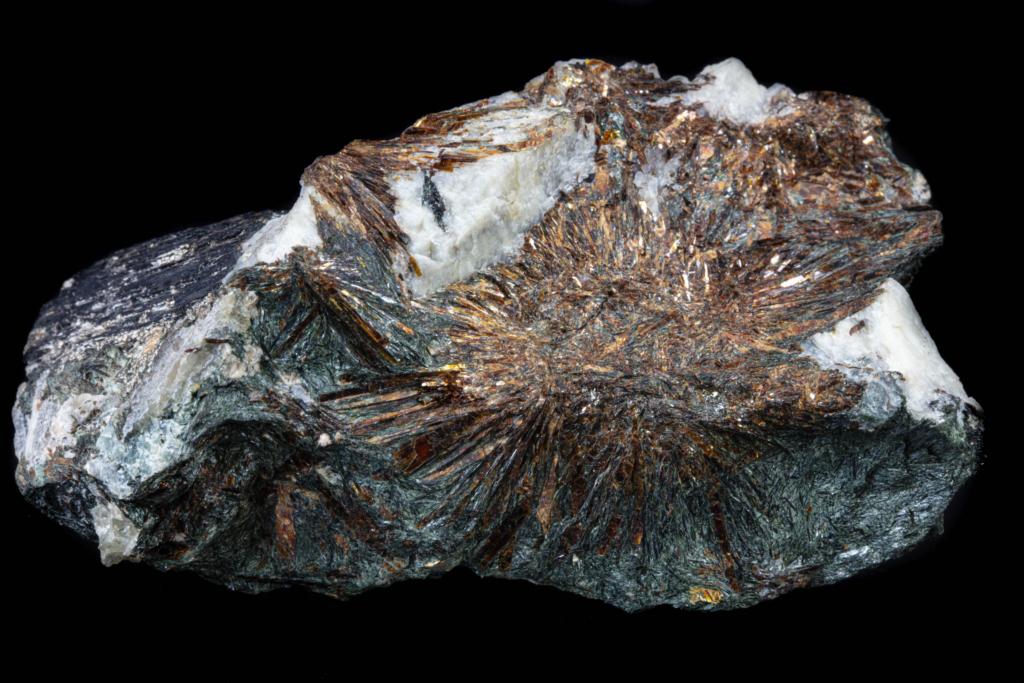
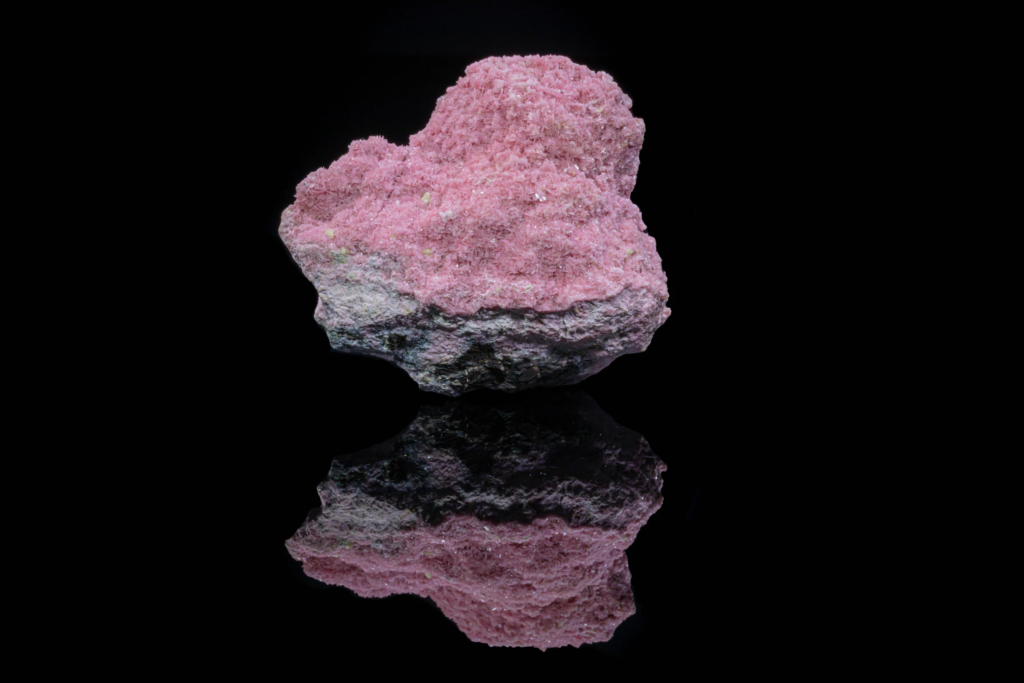
Hausmannite on Manganite & Calcite
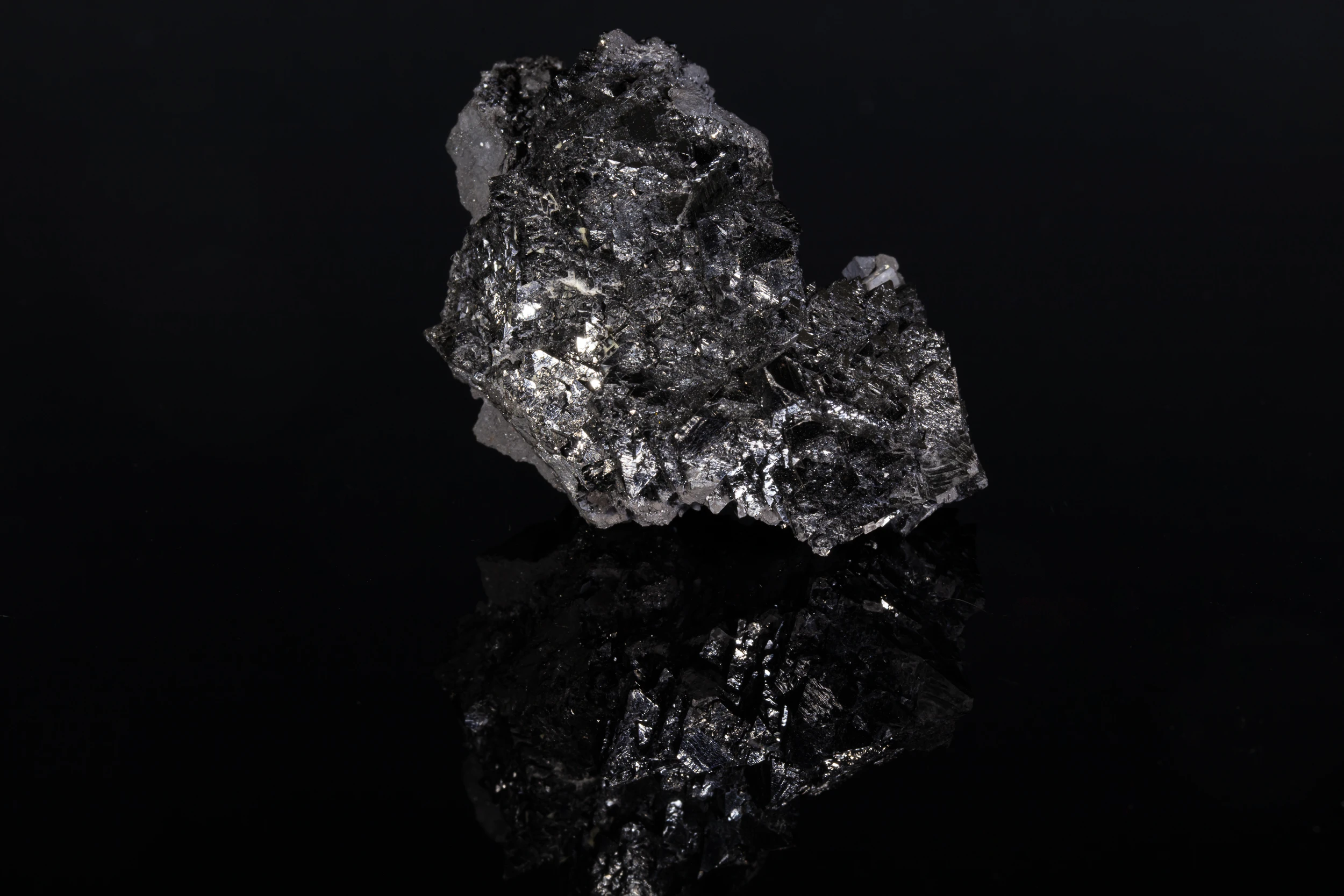
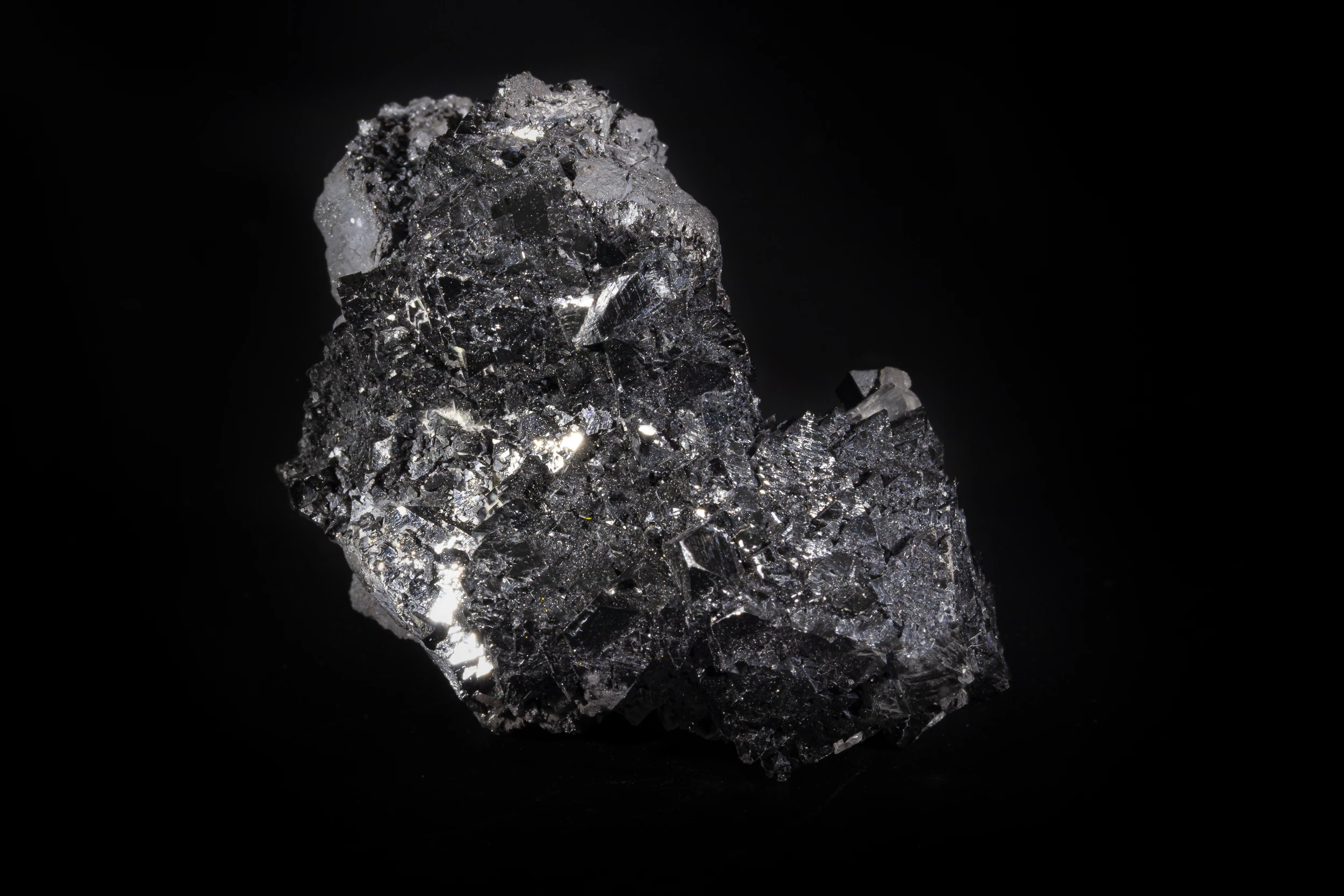
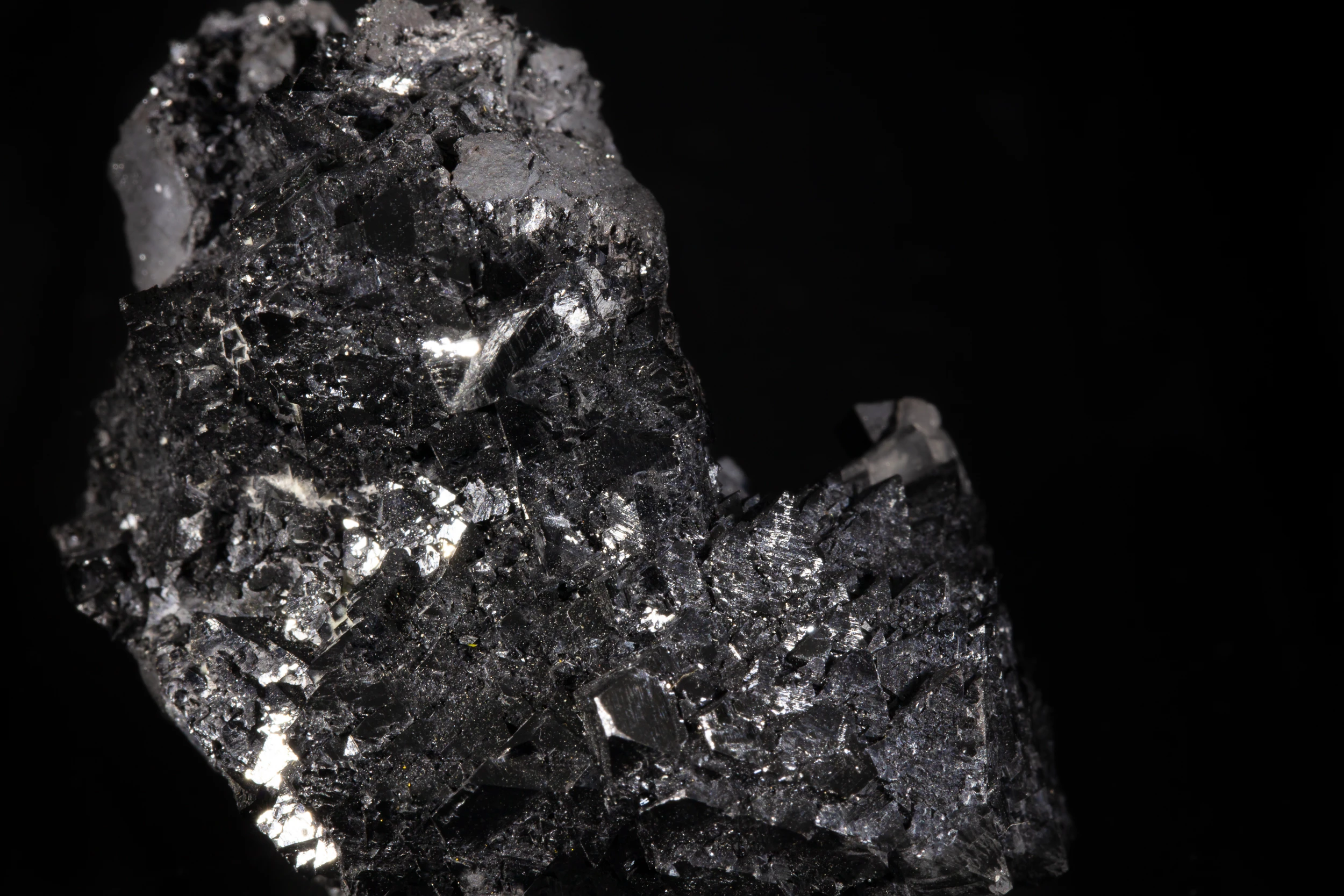
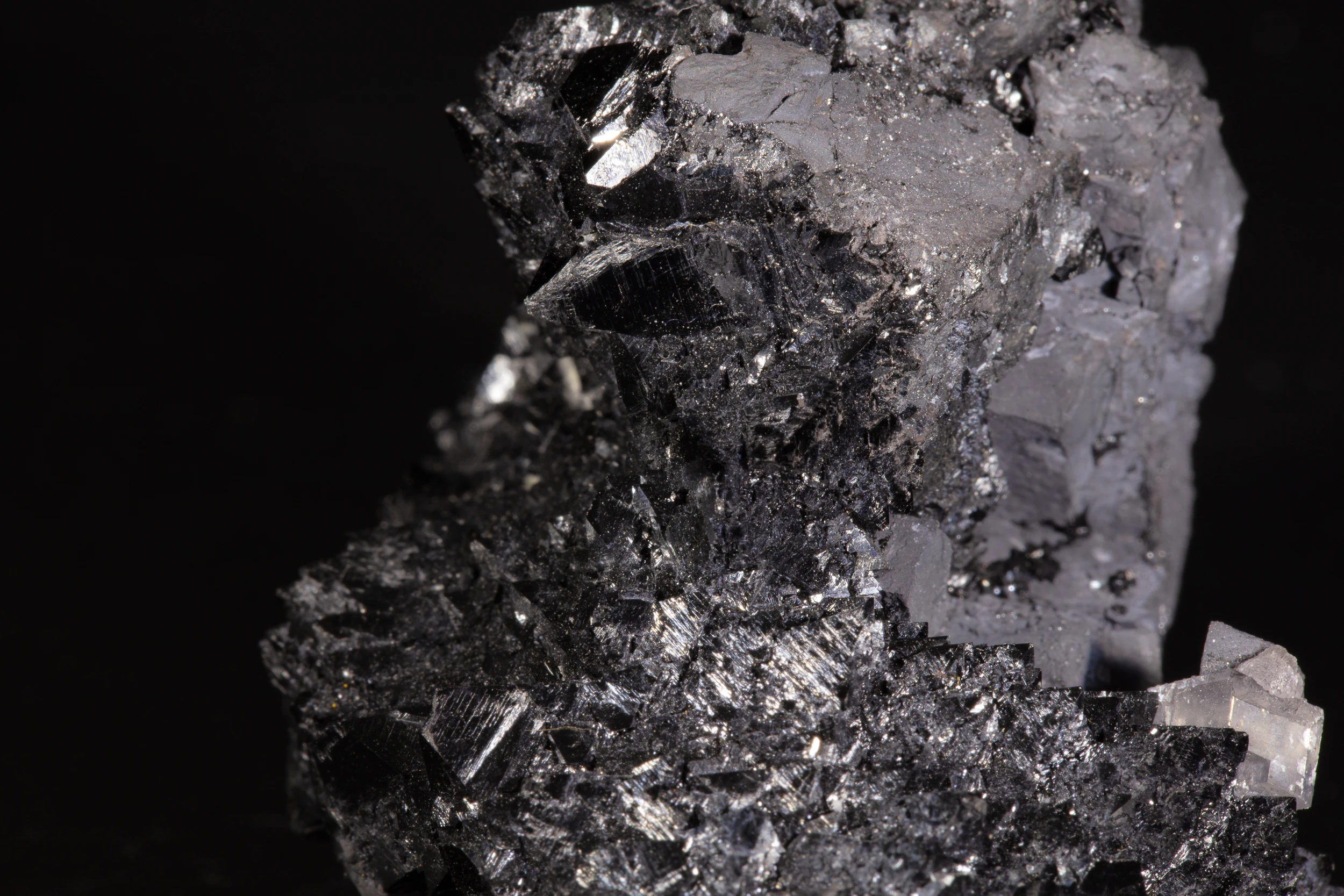
The Specimen
Notes
Mineral Species
Mn2+Mn3+2O4
Orthoclase
Talc (1)Diamond (10)
About as hard as a steel knife blade.
Mn3+O(OH)
Fluorite
Talc (1)Diamond (10)
Softer than glass. A steel knife scratches it.
Ca(CO3)
Calcite
Talc (1)Diamond (10)
A copper coin can scratch it.
Did you know?
HausmanniteHausmannite holds manganese in two oxidation states at once, an unusual mix that makes it a promising catalyst for splitting water into clean hydrogen fuel.
ManganiteManganite forms grim black crystals, yet ground to powder this manganese ore gave some of the earliest black pigments, the kind prehistoric painters used on cave walls.
CalciteLook through a clear rhomb of Iceland spar calcite and the world doubles, split into twin images by the crystal's double refraction. Some researchers think Norse sailors used this very effect to find the sun through cloud, the so-called sunstone, though the idea remains a debated hypothesis.