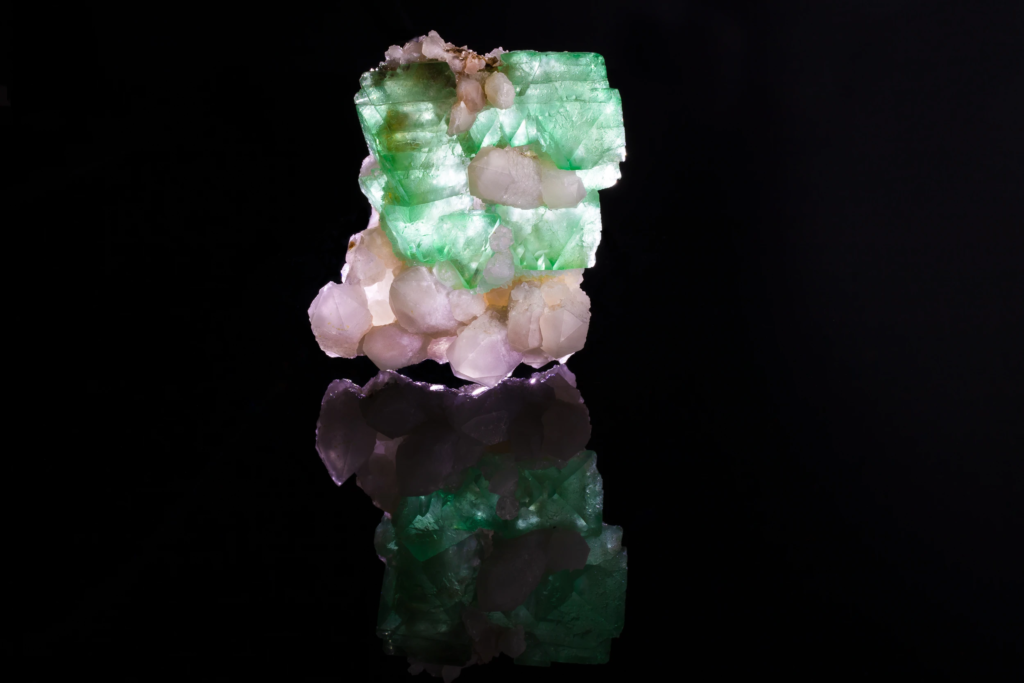
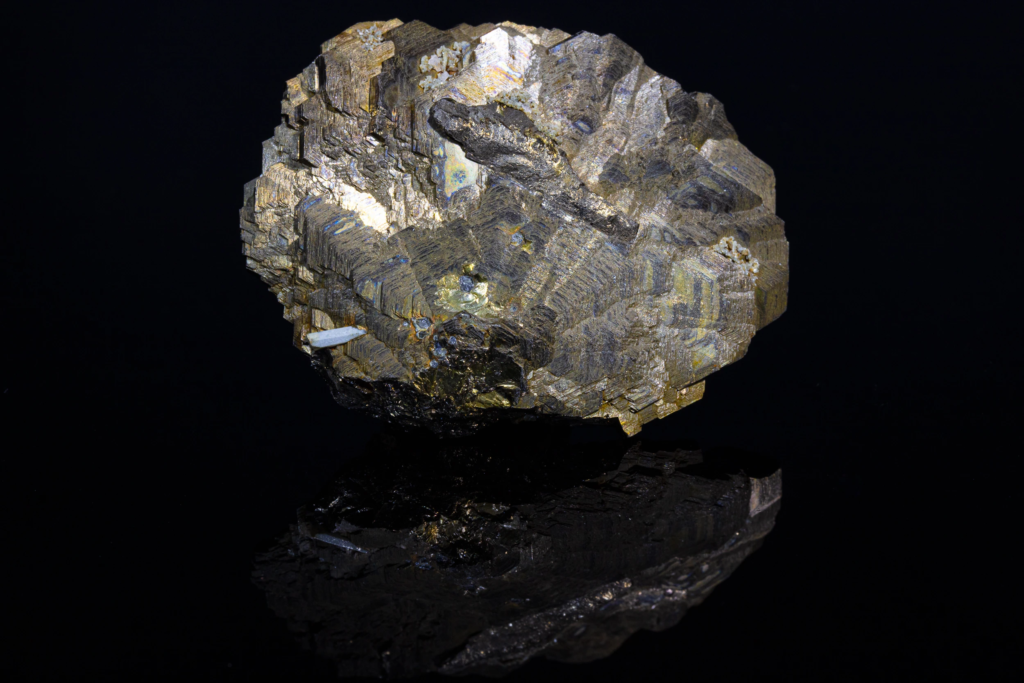
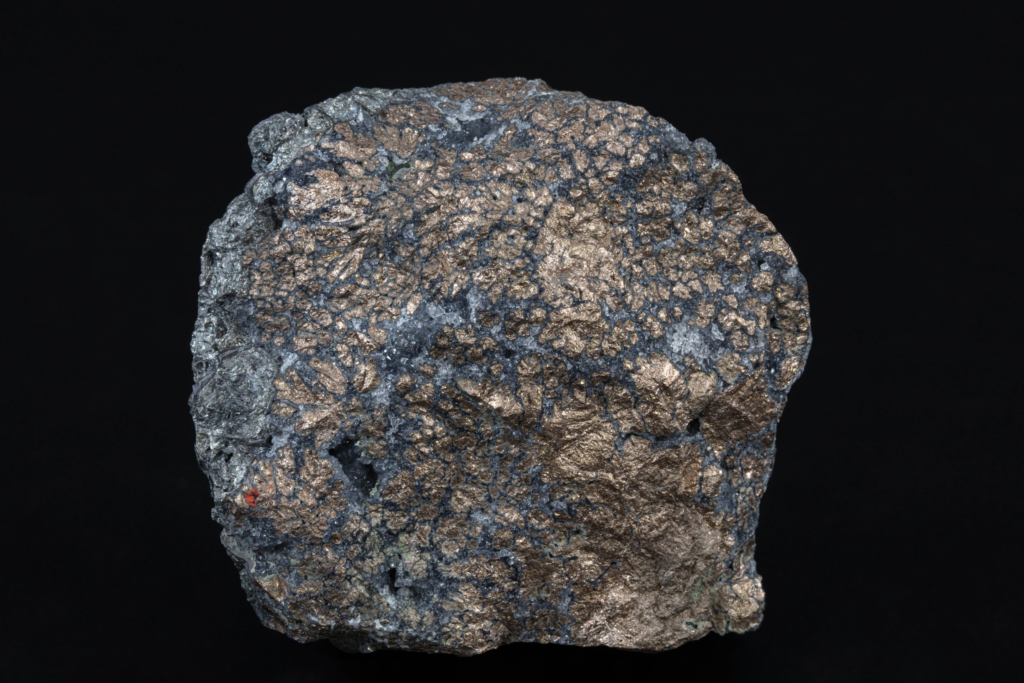
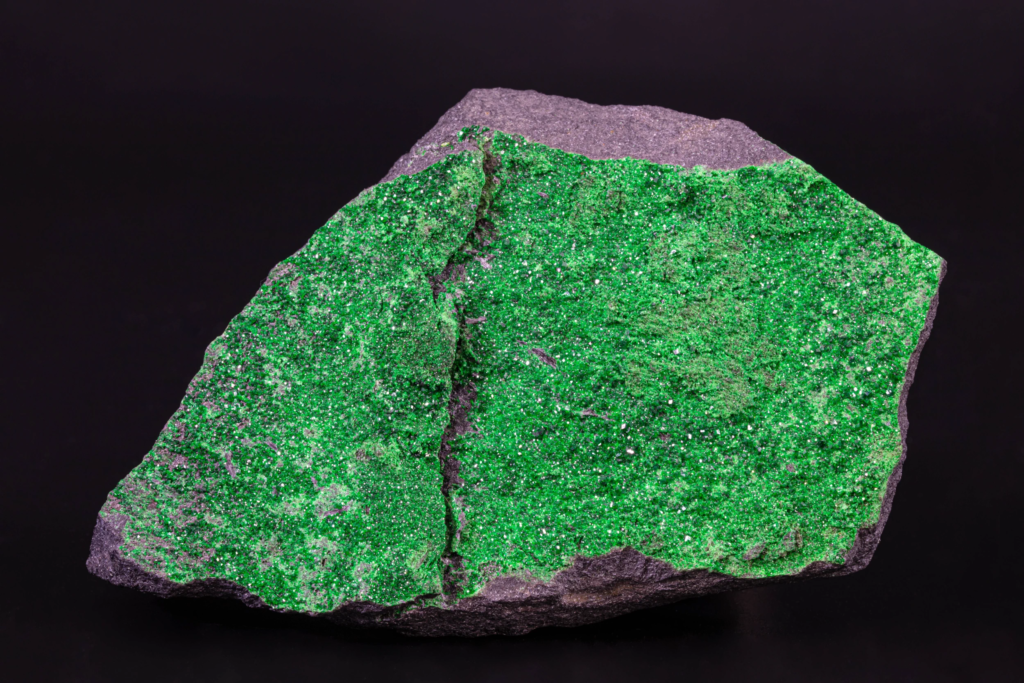
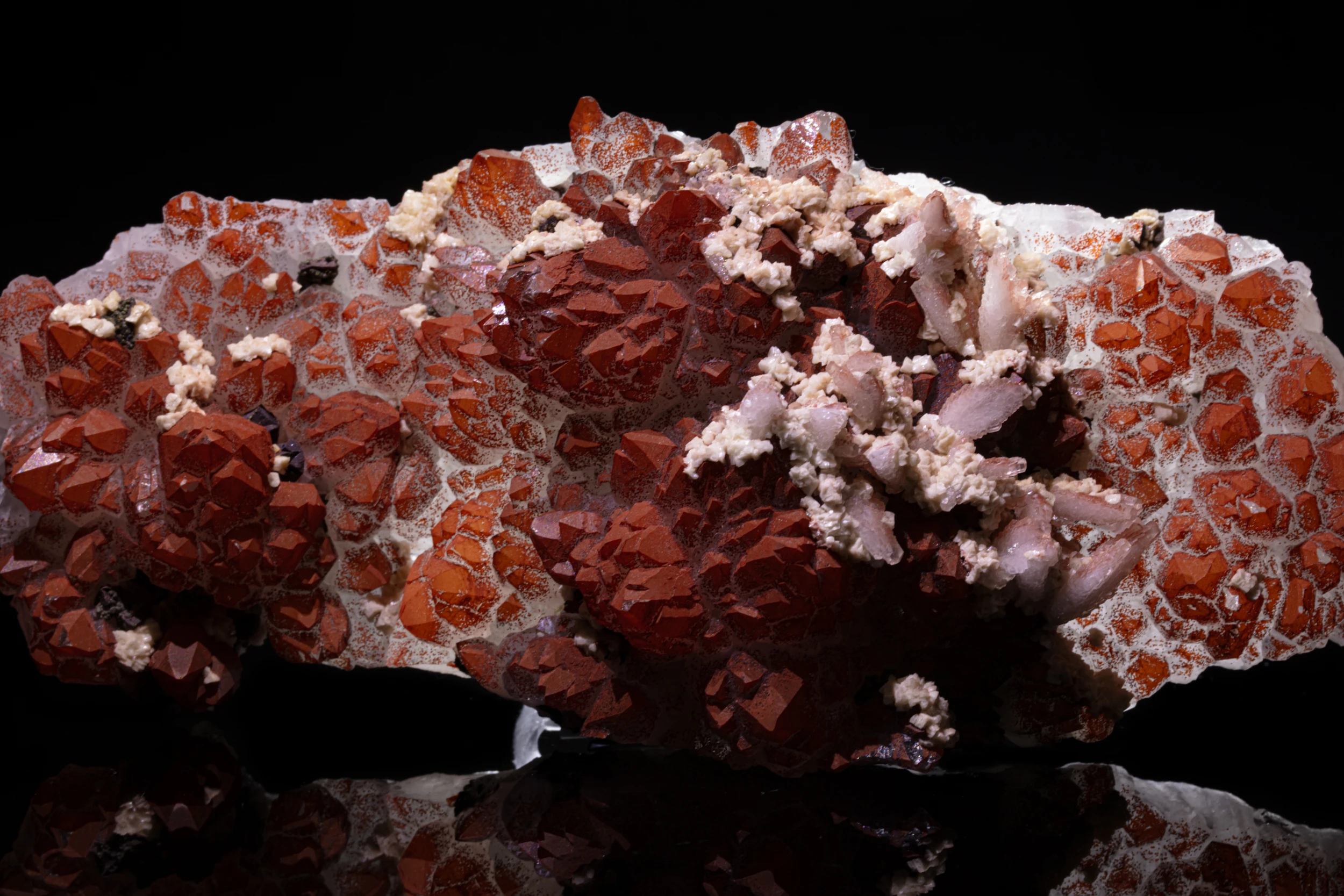
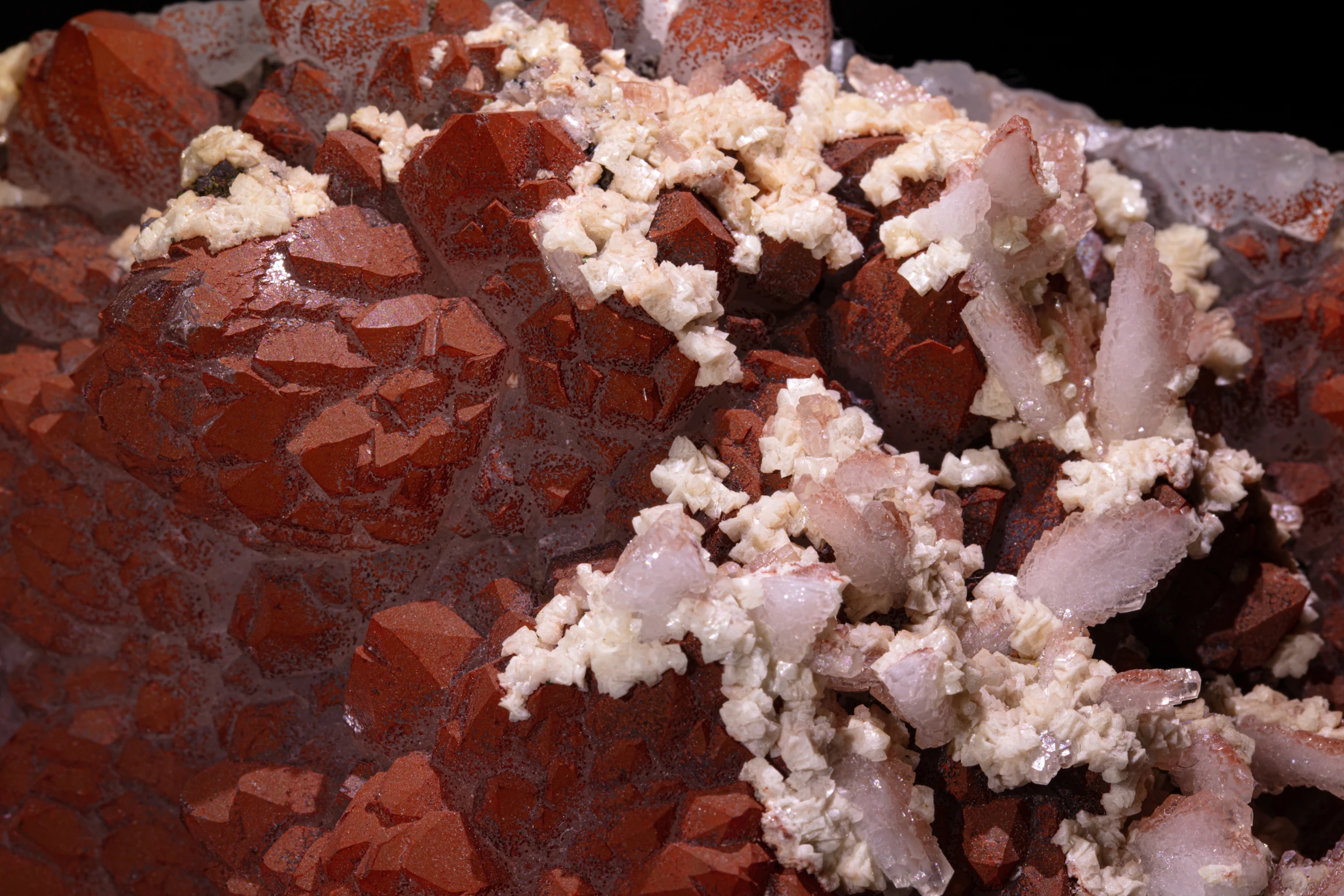
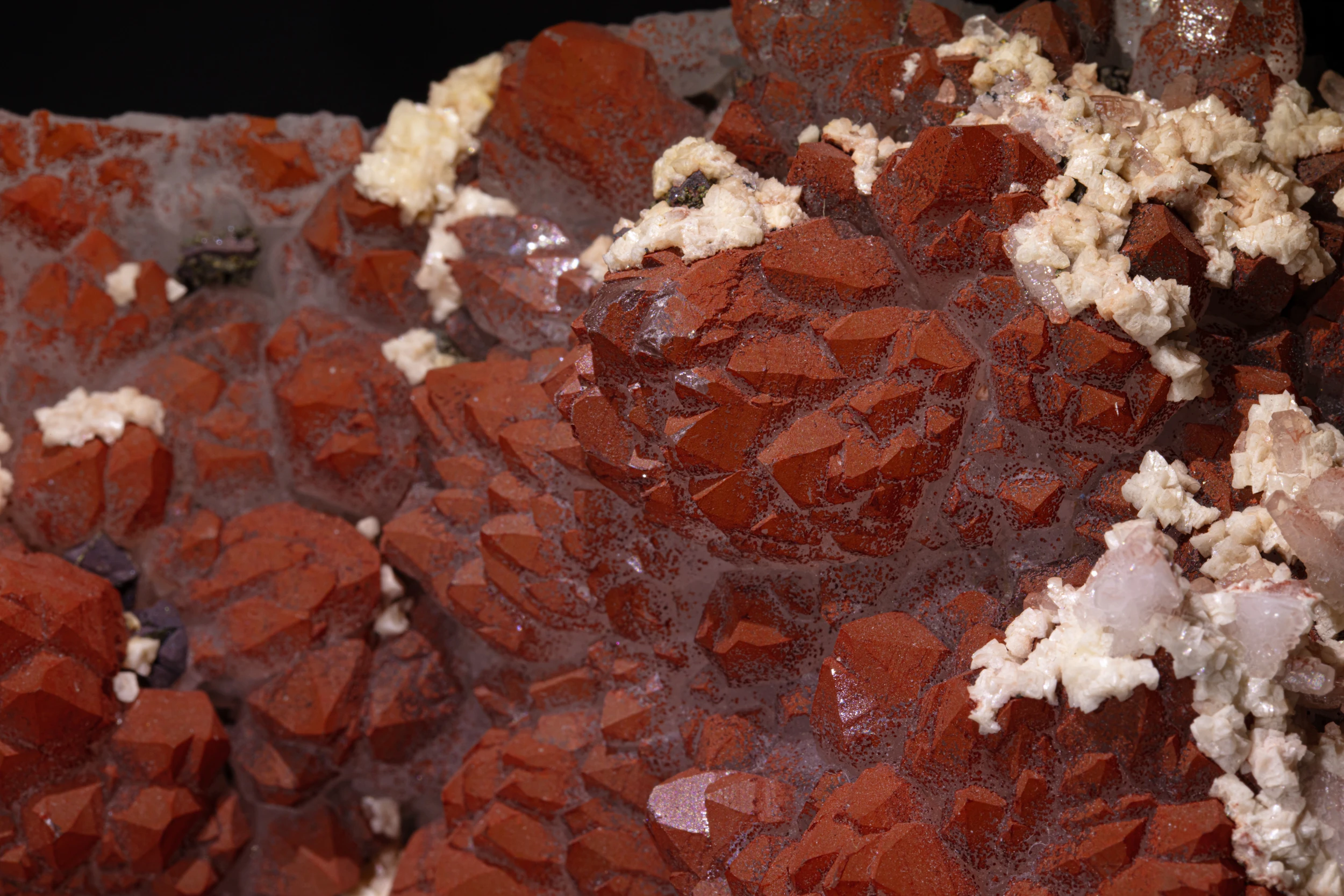
Quartz (Iron-Coated) with Dolomite and Calcite
The Specimen
Notes
Mineral Species
SiO2
Quartz
Talc (1)Diamond (10)
Very hard. Scratches glass and steel.
CaMg(CO3)2
Fluorite
Talc (1)Diamond (10)
Softer than glass. A steel knife scratches it.
CaCO3
Calcite
Talc (1)Diamond (10)
A copper coin can scratch it.
Did you know?
QuartzPressing a quartz crystal makes it give off a precise electric beat, which is why it keeps time in nearly every watch and once tuned the radios of World War II, when good crystals were a strategic resource.
DolomiteDolomite builds entire mountain ranges, including the Italian range named after it, yet almost never forms in today's seas and resists easy growth in the lab. Geologists still call this the dolomite problem.
CalciteLook through a clear rhomb of Iceland spar calcite and the world doubles, split into twin images by the crystal's double refraction. Some researchers think Norse sailors used this very effect to find the sun through cloud, the so-called sunstone, though the idea remains a debated hypothesis.