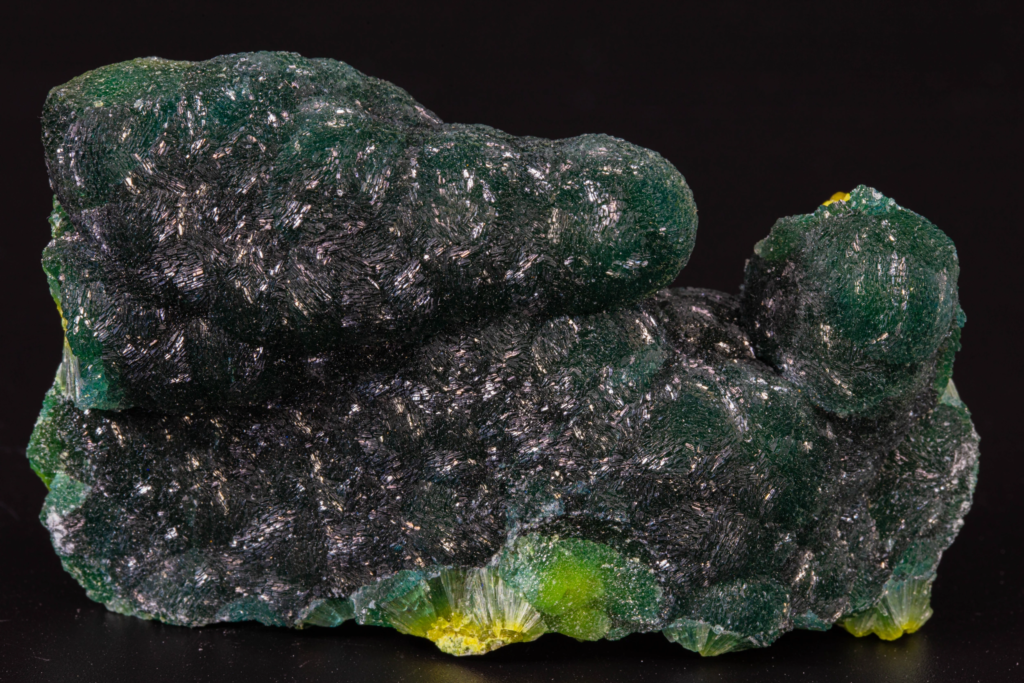
Fluorite, Galena & Gypsum
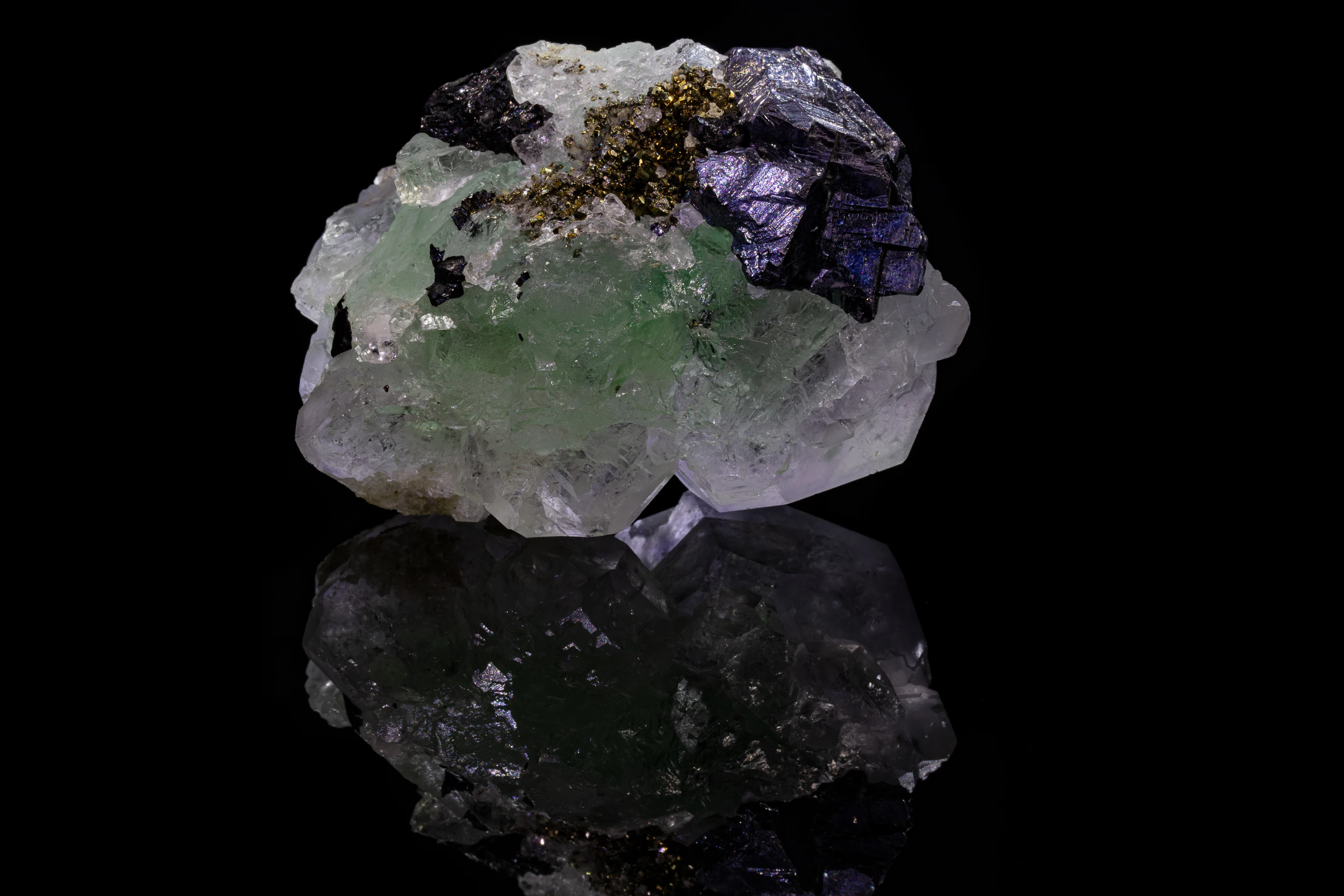
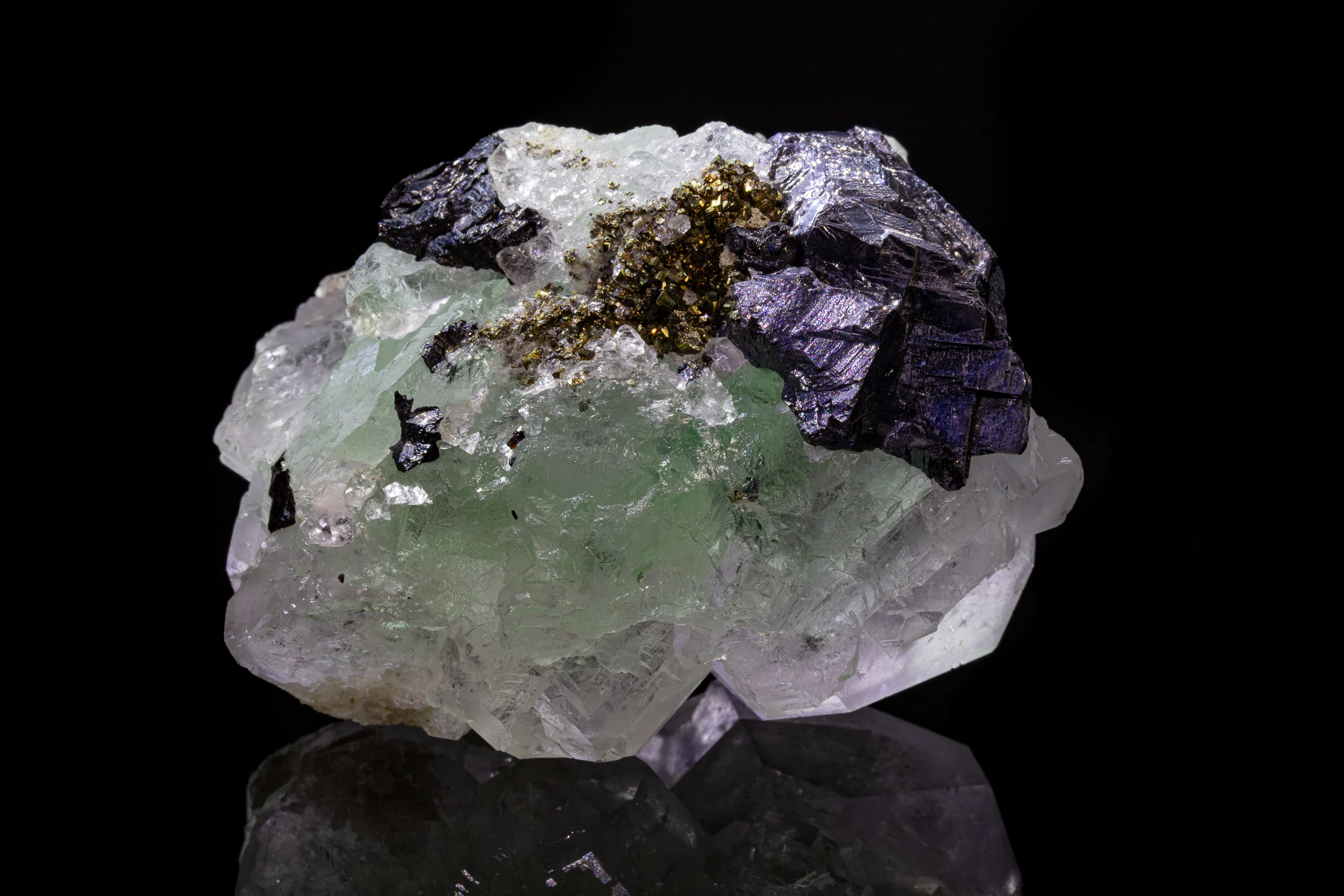
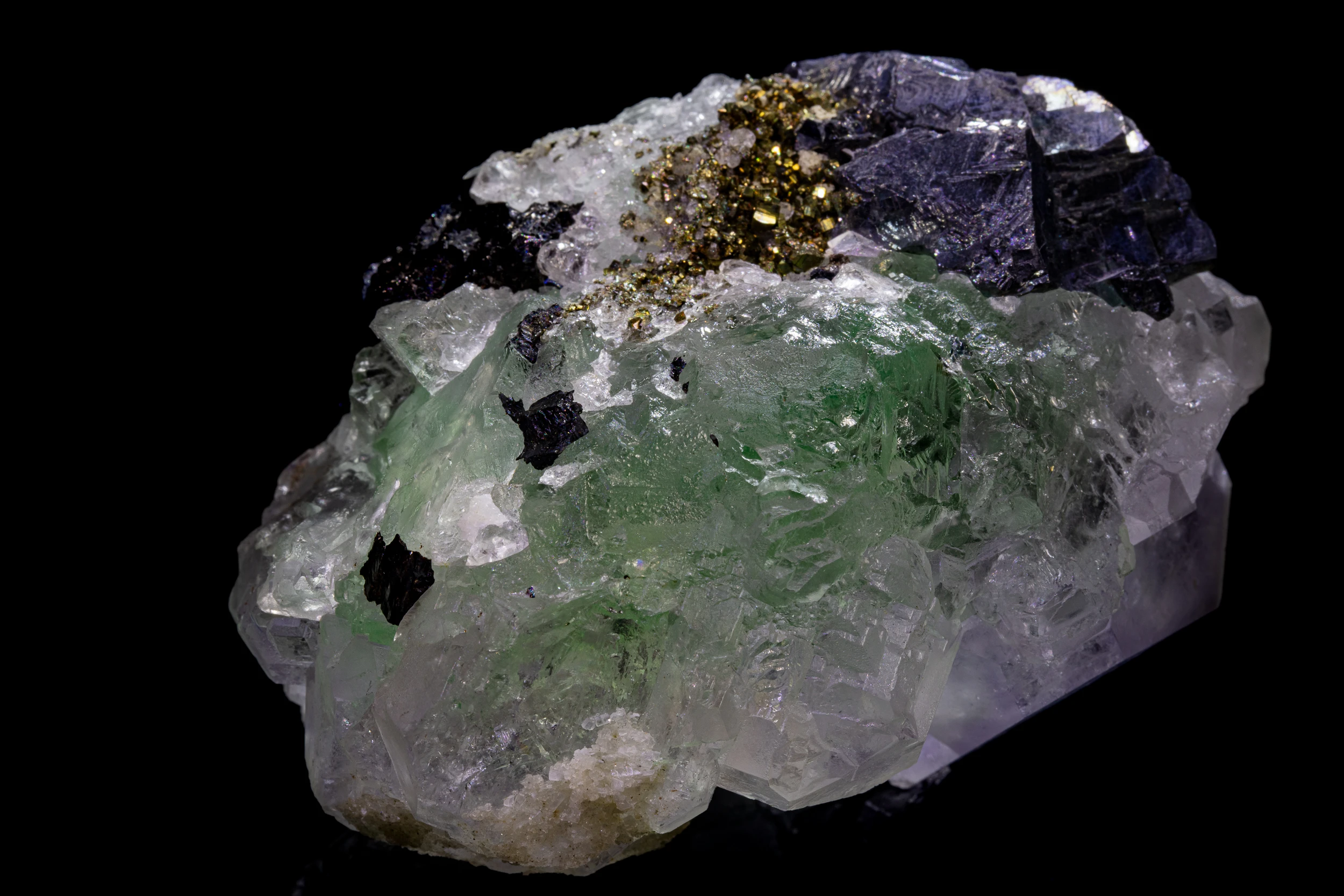
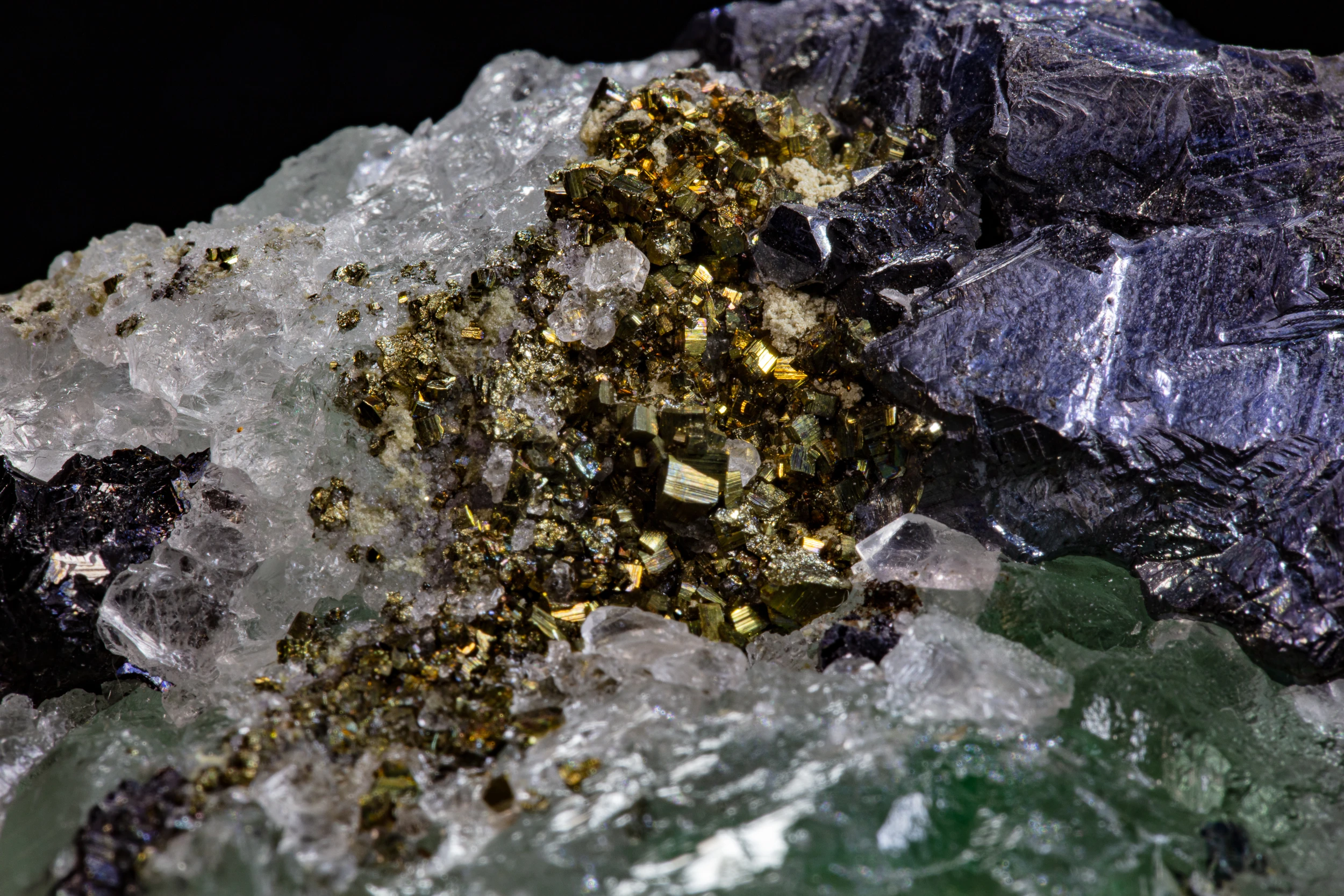
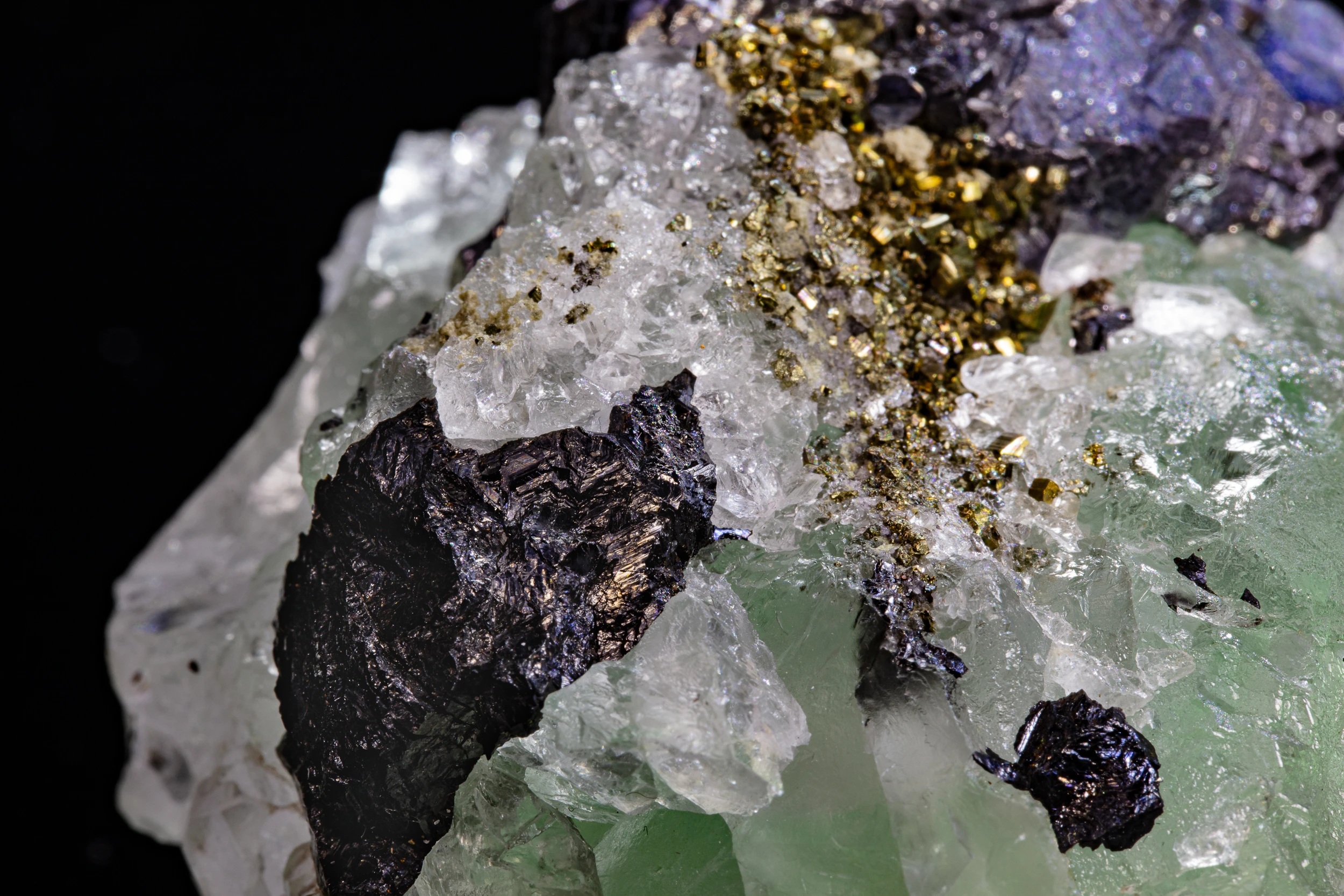
The Specimen
Notes
Mineral Species
CaF2
Fluorite
Talc (1)Diamond (10)
Softer than glass. A steel knife scratches it.
PbS
Calcite
Talc (1)Diamond (10)
Soft. A fingernail can scratch it.
Ca(SO4)·2H2O
Gypsum
Talc (1)Diamond (10)
Soft. A fingernail can scratch it.
Did you know?
FluoriteFluorite gave fluorescence its name. In 1852 the physicist George Stokes, studying the mineral's glow under invisible light, coined the word for the whole phenomenon after the stone itself.
GalenaGalena was the heart of the first crystal radios. Acting as a natural semiconductor, it let a fine wire called the cat's whisker pull voices from the air with no battery at all.
GypsumGypsum is so soft you can scratch it with a fingernail, yet in Mexico's Naica mine it grew into glassy beams up to 11 meters long, among the largest natural crystals ever found.