Mimetite

The Specimen

Cabinet: Small Cabinet (4.5 - 7 cm) – Size: 5.3 x 2.9 x 2.7 cm Origin: Ojuela Mine, Mapimí, Durango – Mexico

Notes

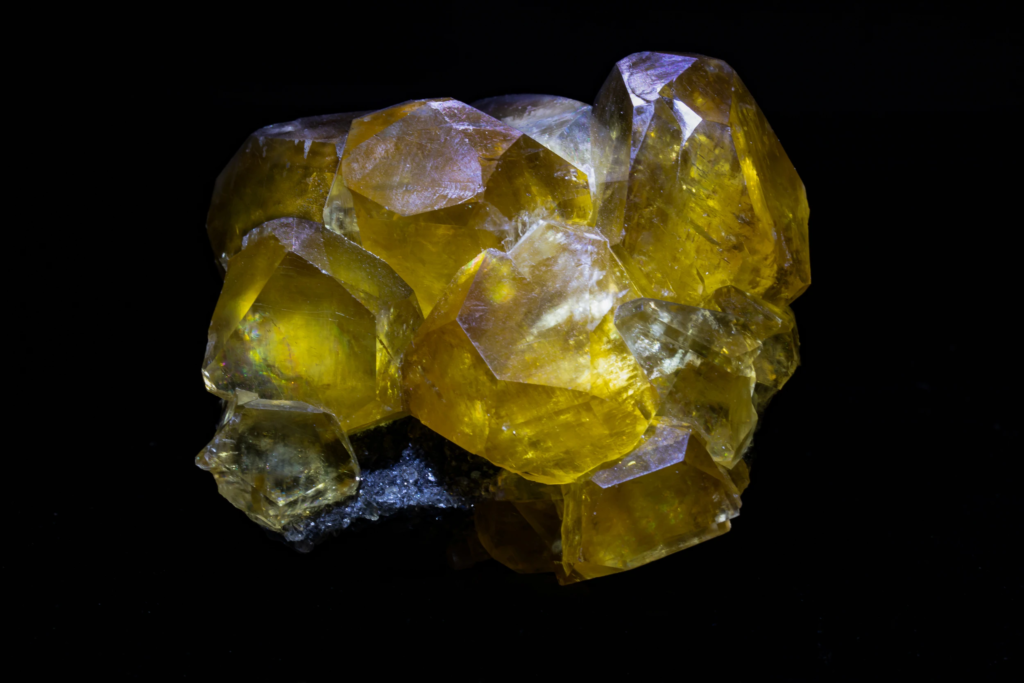
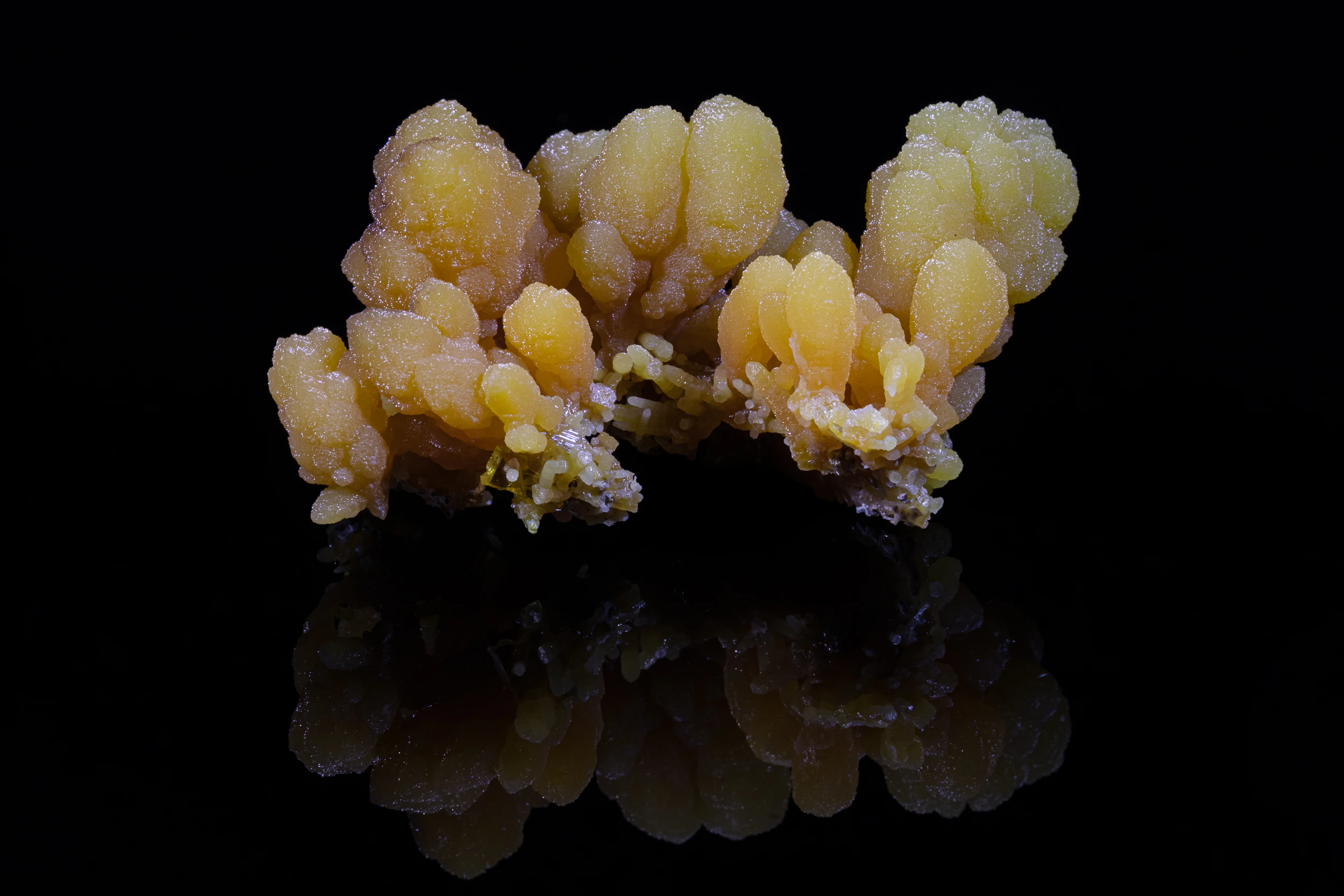
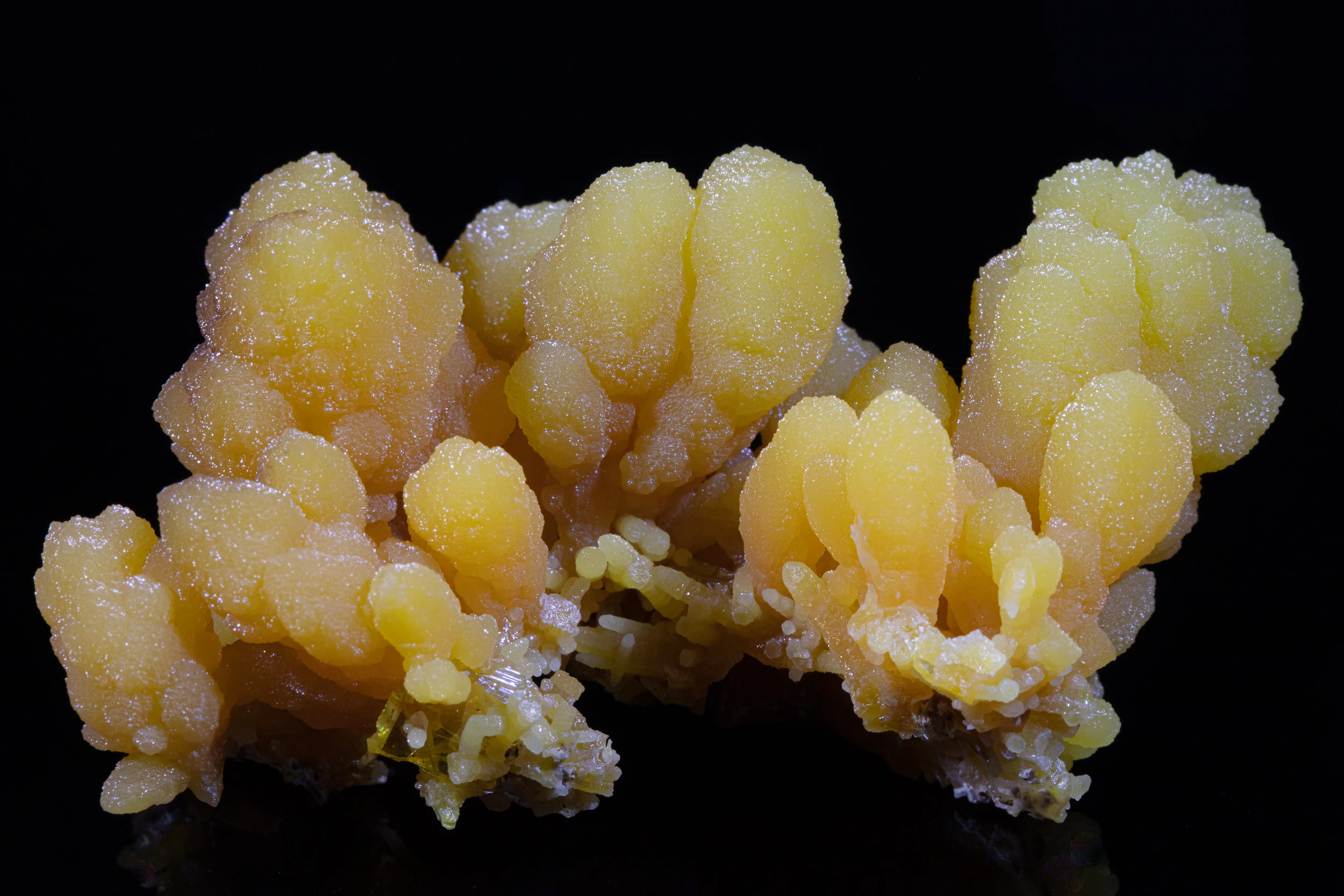
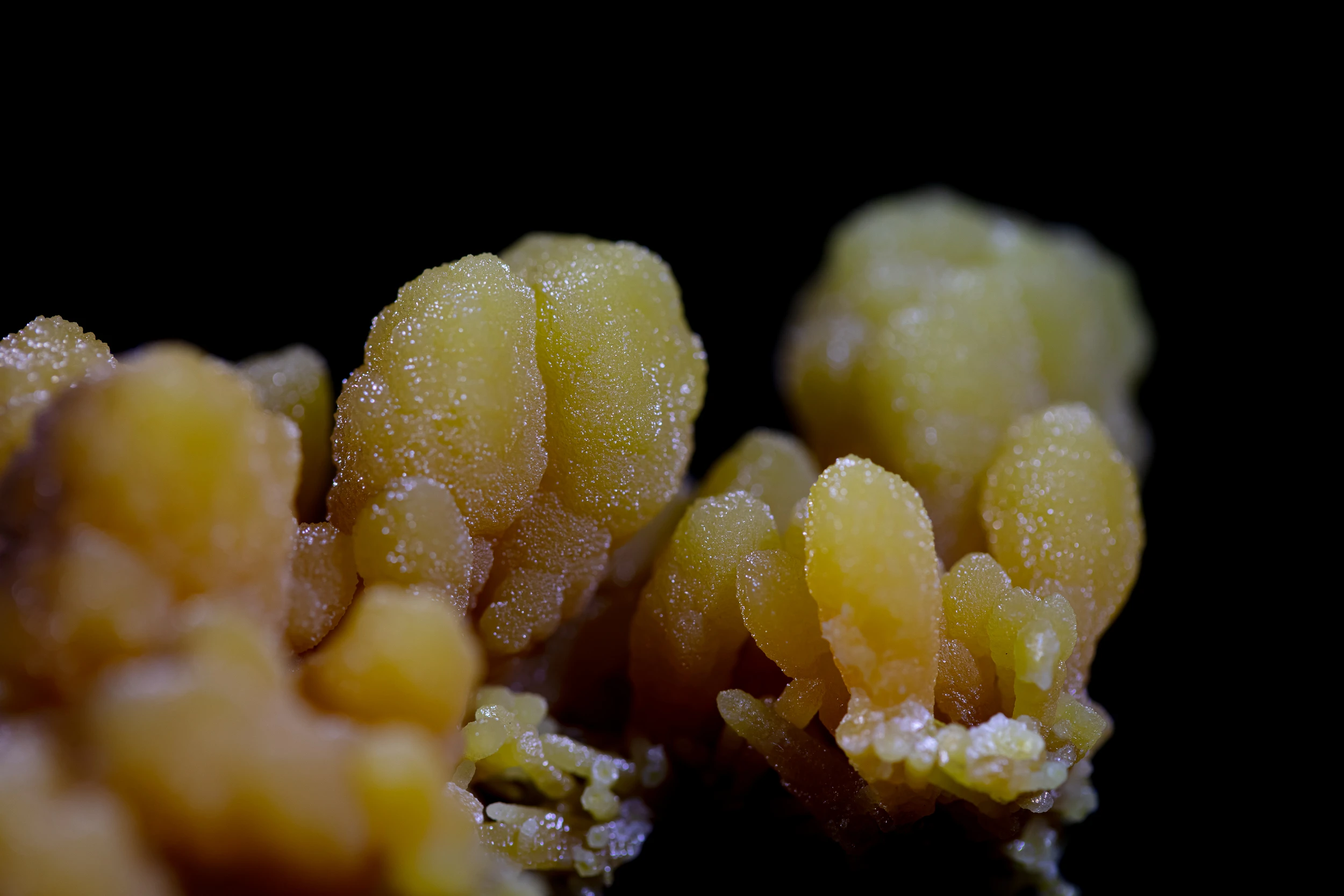
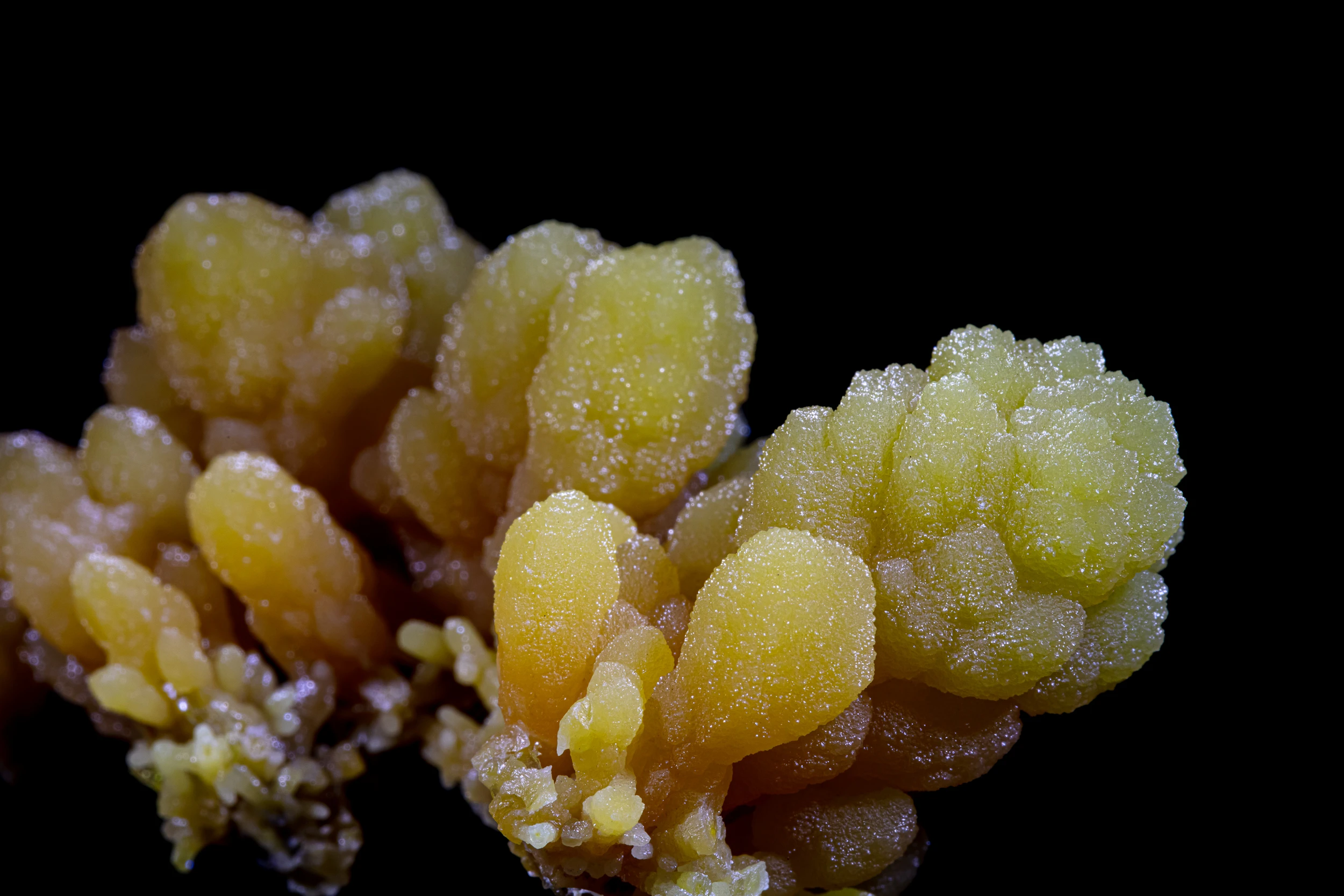
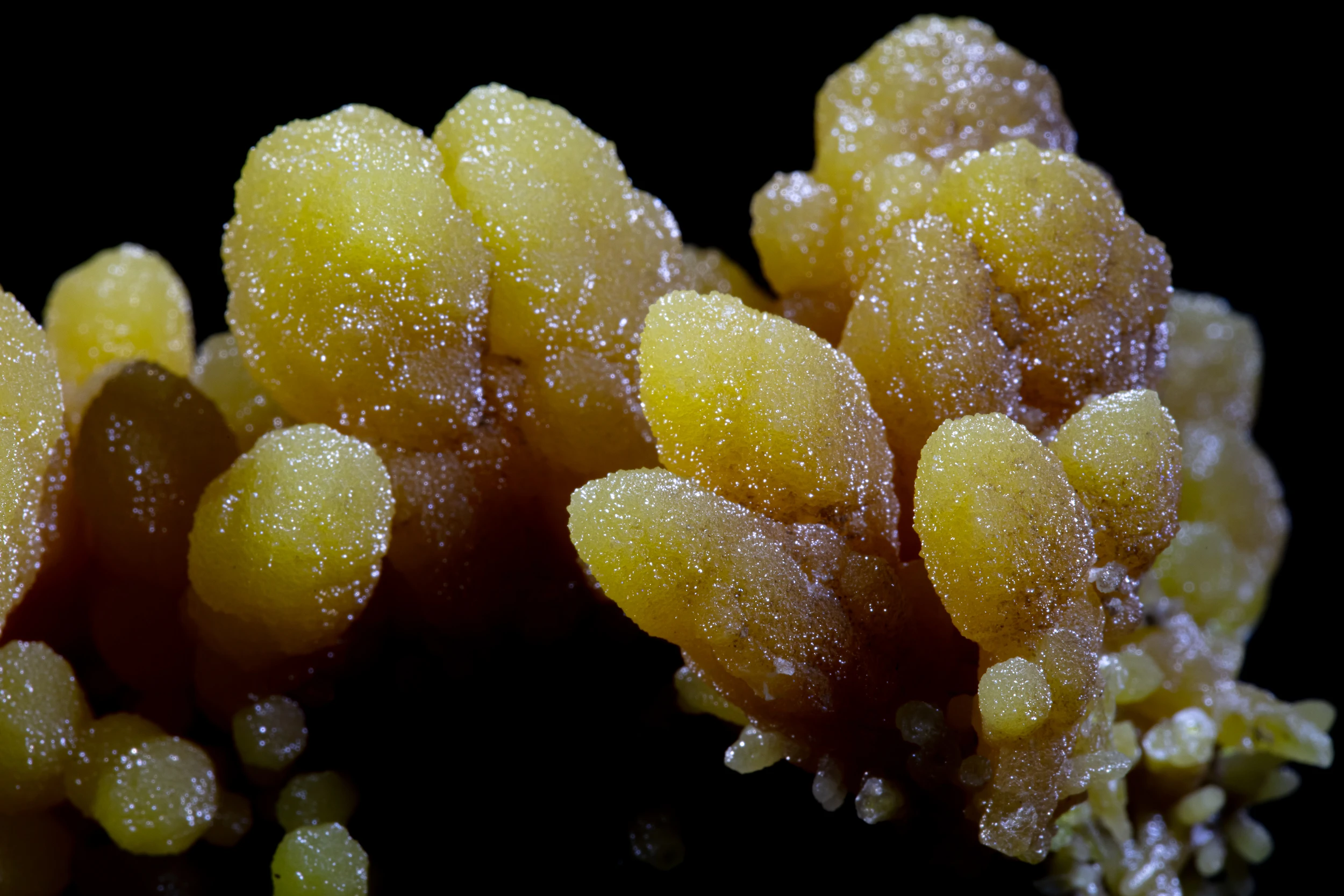
This specimen comes from the Ojuela Mine, above the old mining town of Mapimí in the desert of Durango, northern Mexico. Spanish prospectors found the deposit in 1598, the mine flourished in the 18th century, and the Peñoles company bought it in 1891 and worked it hard in the late 1800s. The ore formed where hot fluids replaced limestone with lead, zinc and silver sulfides. Later, water and air broke those sulfides down, and the lead from galena combined with arsenic released from other minerals to grow mimetite in open cavities. Ojuela is known worldwide for these oxidized-zone minerals, alongside adamite, legrandite and wulfenite. Here, rich yellow mimetite forms elongated, rounded groups with a resinous luster, somewhere between a narrow prism and a ball. The groups stand apart from each other and build a three-dimensional piece with no matrix, the largest about 2.3 cm long. According to the dealer, a tiny gemmy yellow wulfenite crystal sits on the base.

Mineral Species

Did you know?

Mimetite is named from the Greek for imitator, after how closely it copies pyromorphite. Its cheerful orange and yellow crystals hide a grim makeup, an ore of toxic lead and arsenic.