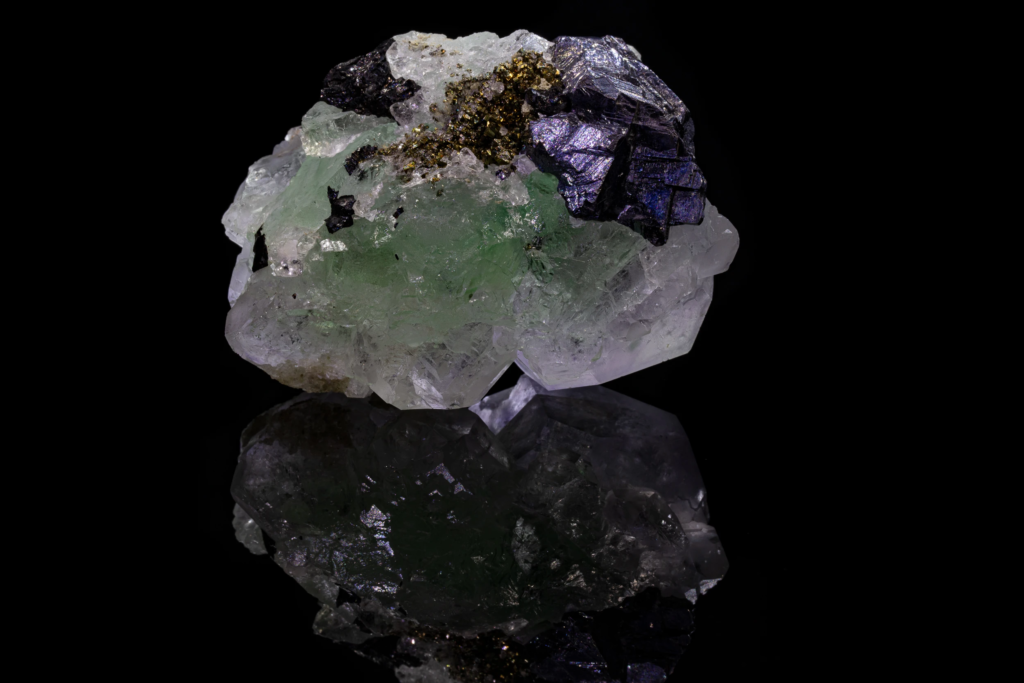
Zippeite with Johannite
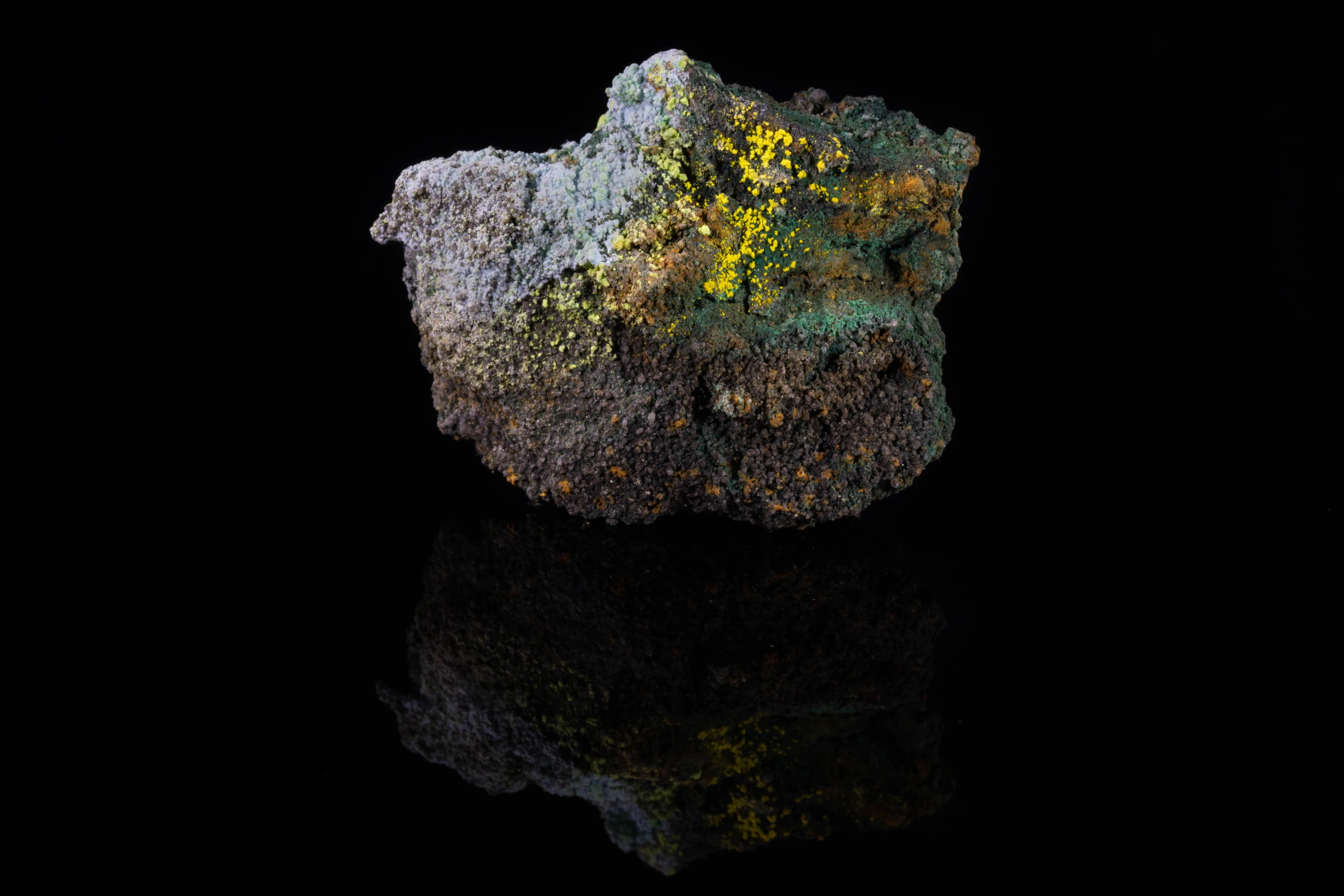
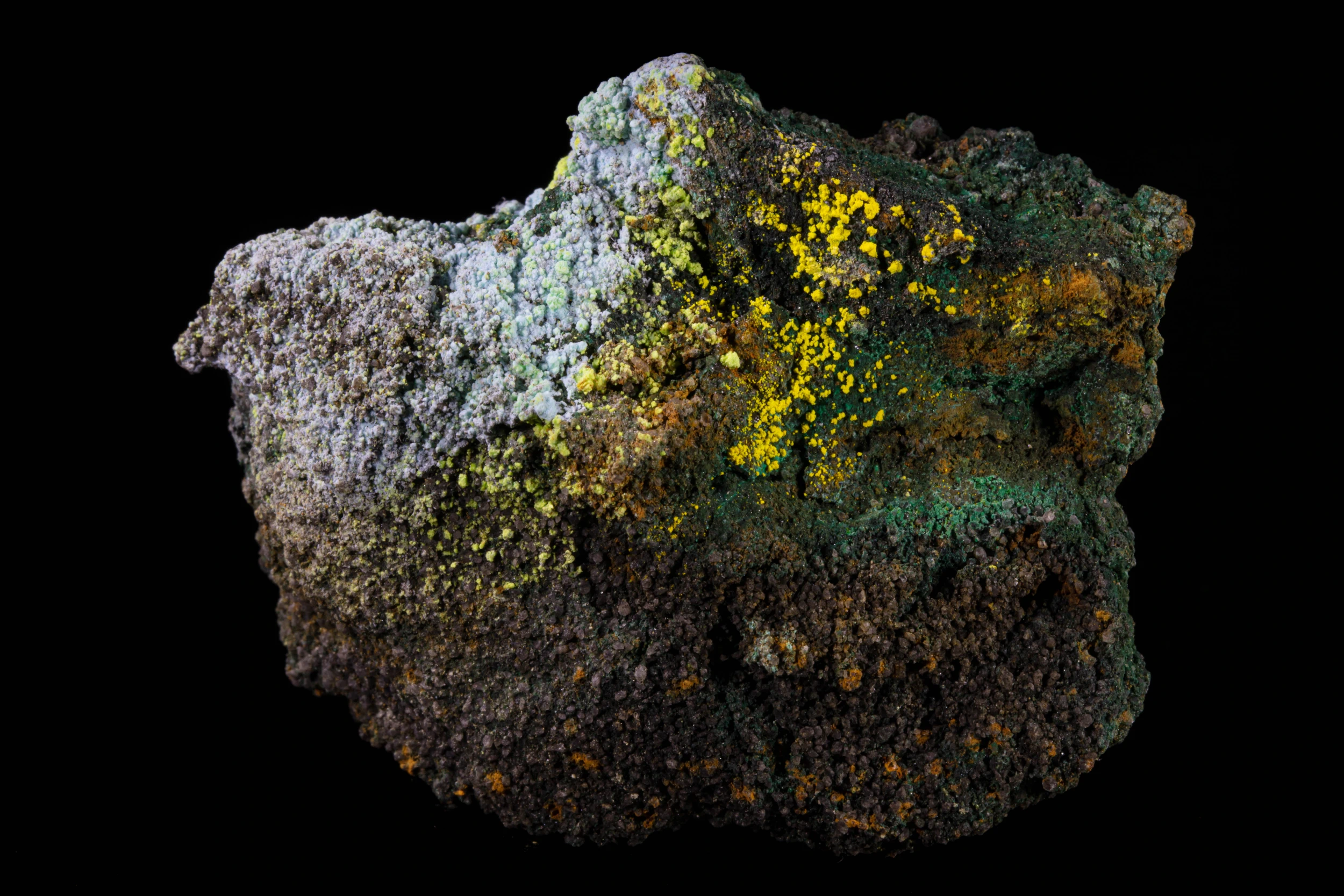
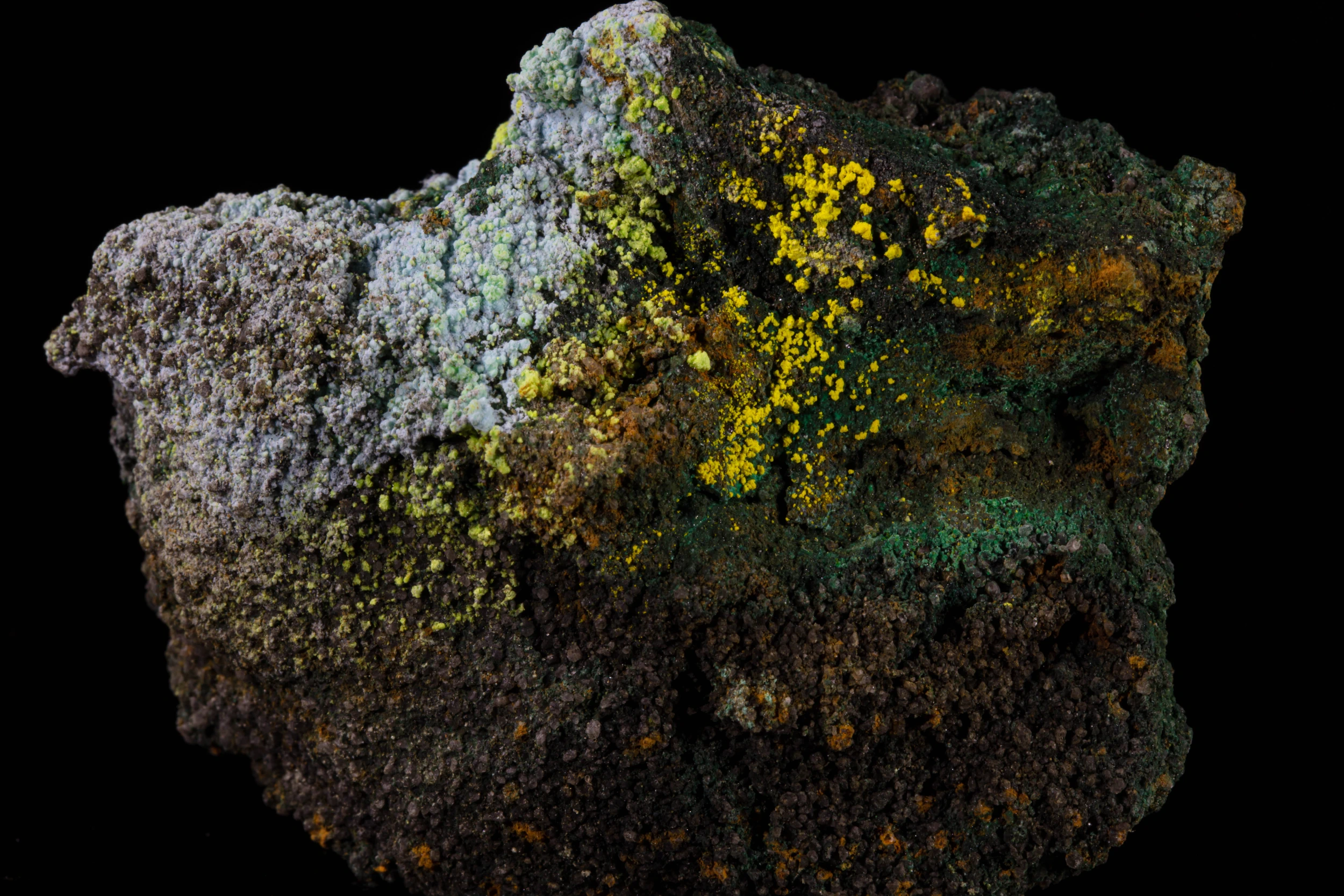
The Specimen
Notes
Mineral Species
Did you know?
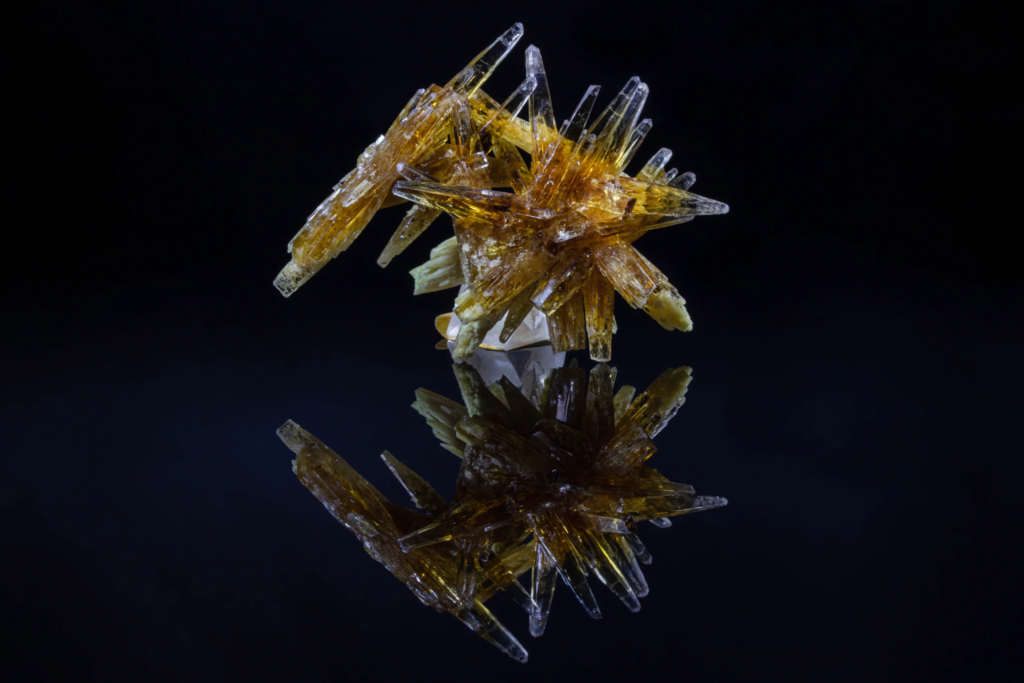
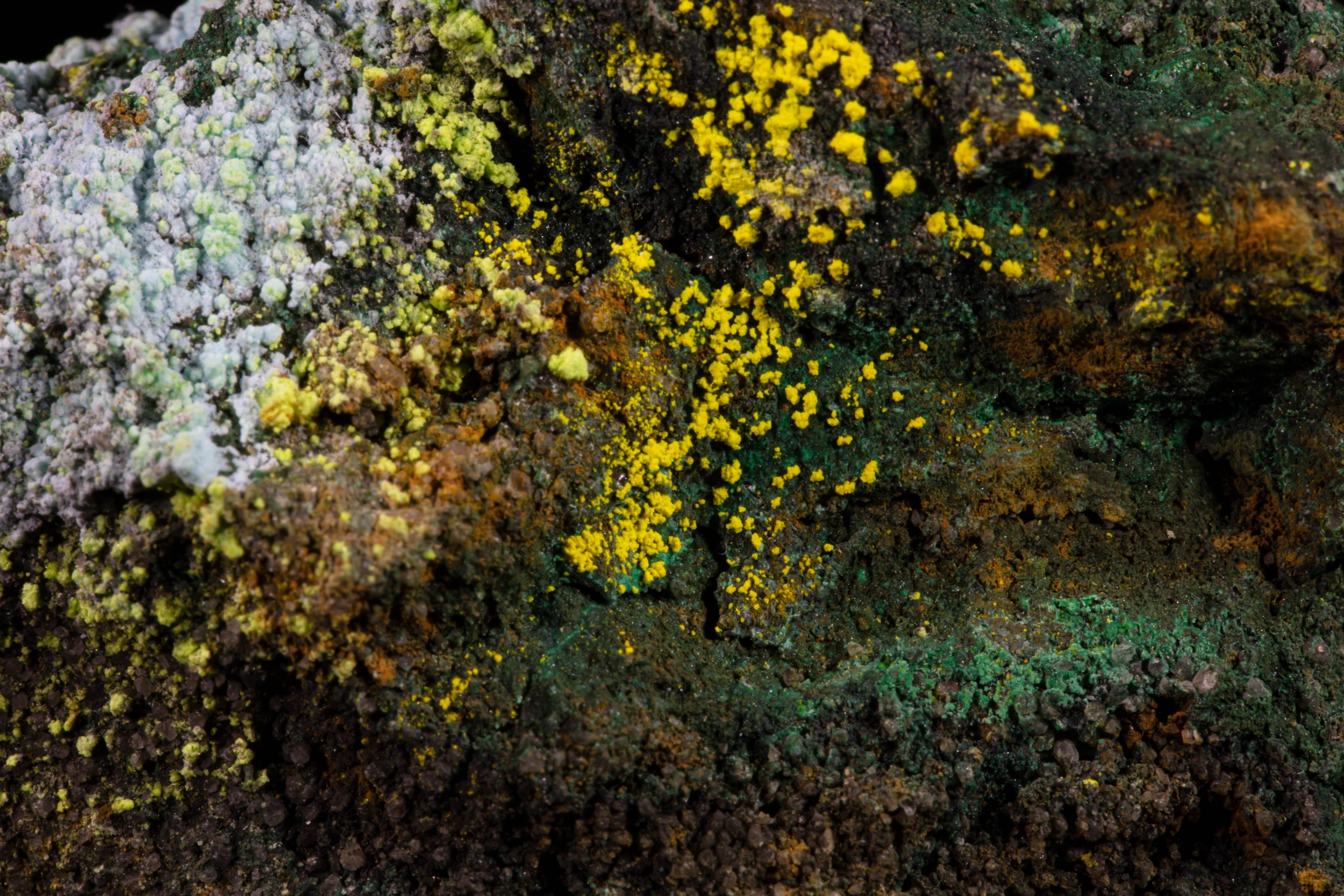
ZippeiteZippeite often grows as a yellow crust on the walls of old uranium mines, long after the miners have left. In abandoned tunnels of Utah and the Czech Republic, the humid, still air lets these crusts keep forming, and the past decade of searching there has turned up more than 30 new uranium sulfate minerals.
JohanniteJohannite was first noticed in 1819 in an old, reopened gallery at Joachimsthal, in Bohemia. In 1830 Wilhelm Haidinger named it after his patron, Archduke Johann of Austria, founder of the Joanneum museum in Graz, which still displays a small specimen that probably dates from those first finds.
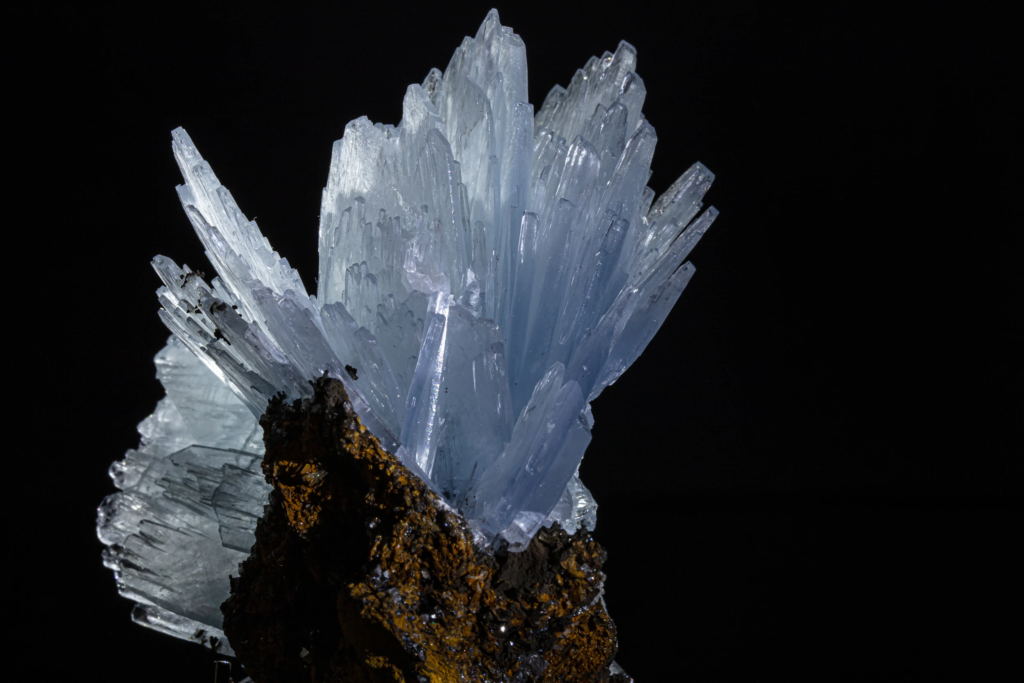
ChalcanthiteChalcanthite has the same chemistry as the blue copper sulfate that French winegrowers mixed with lime to make Bordeaux mixture. In 1885, botanist Alexis Millardet announced it as a cure for downy mildew, after noticing that roadside vines painted with it to scare off grape thieves stayed healthy.