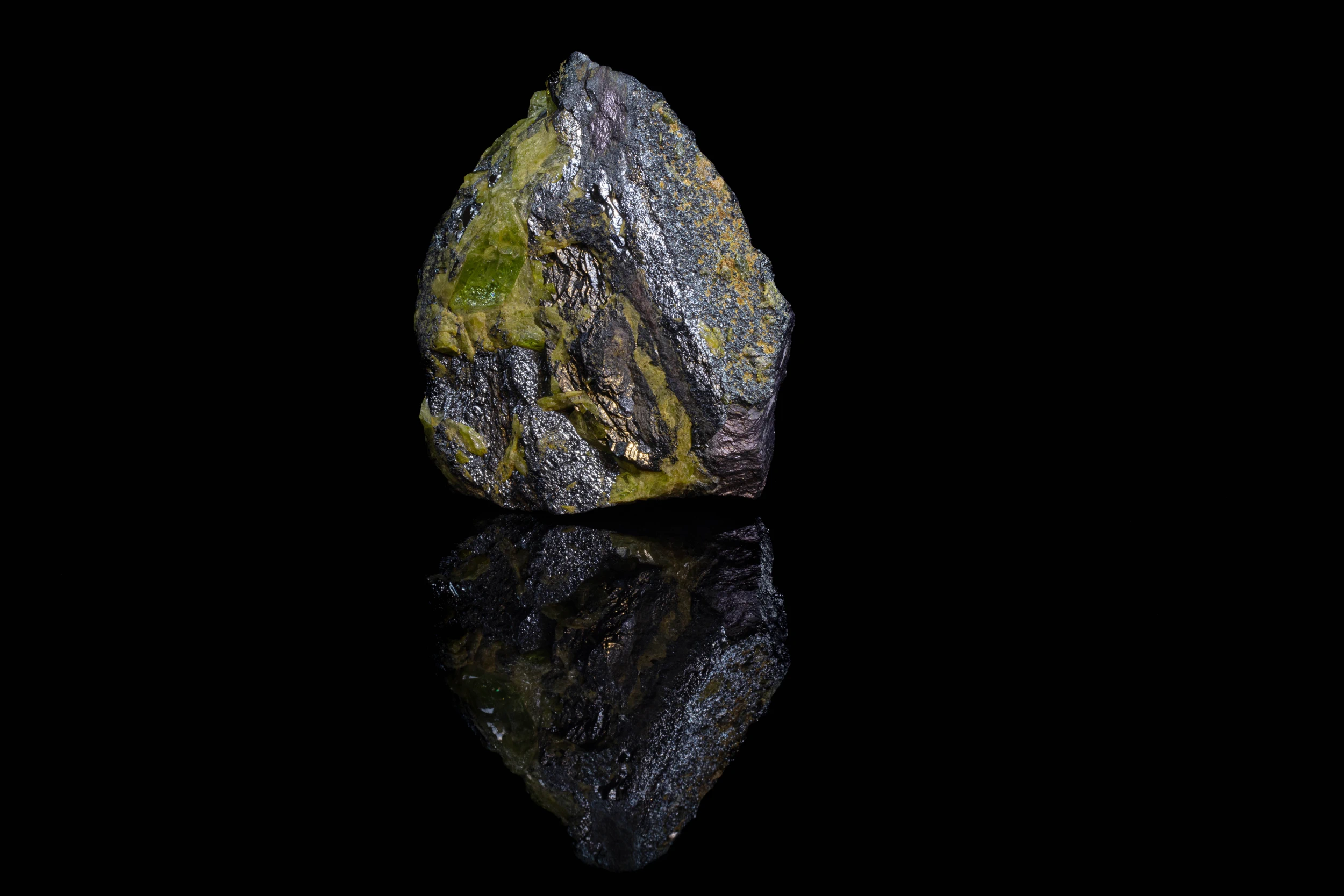
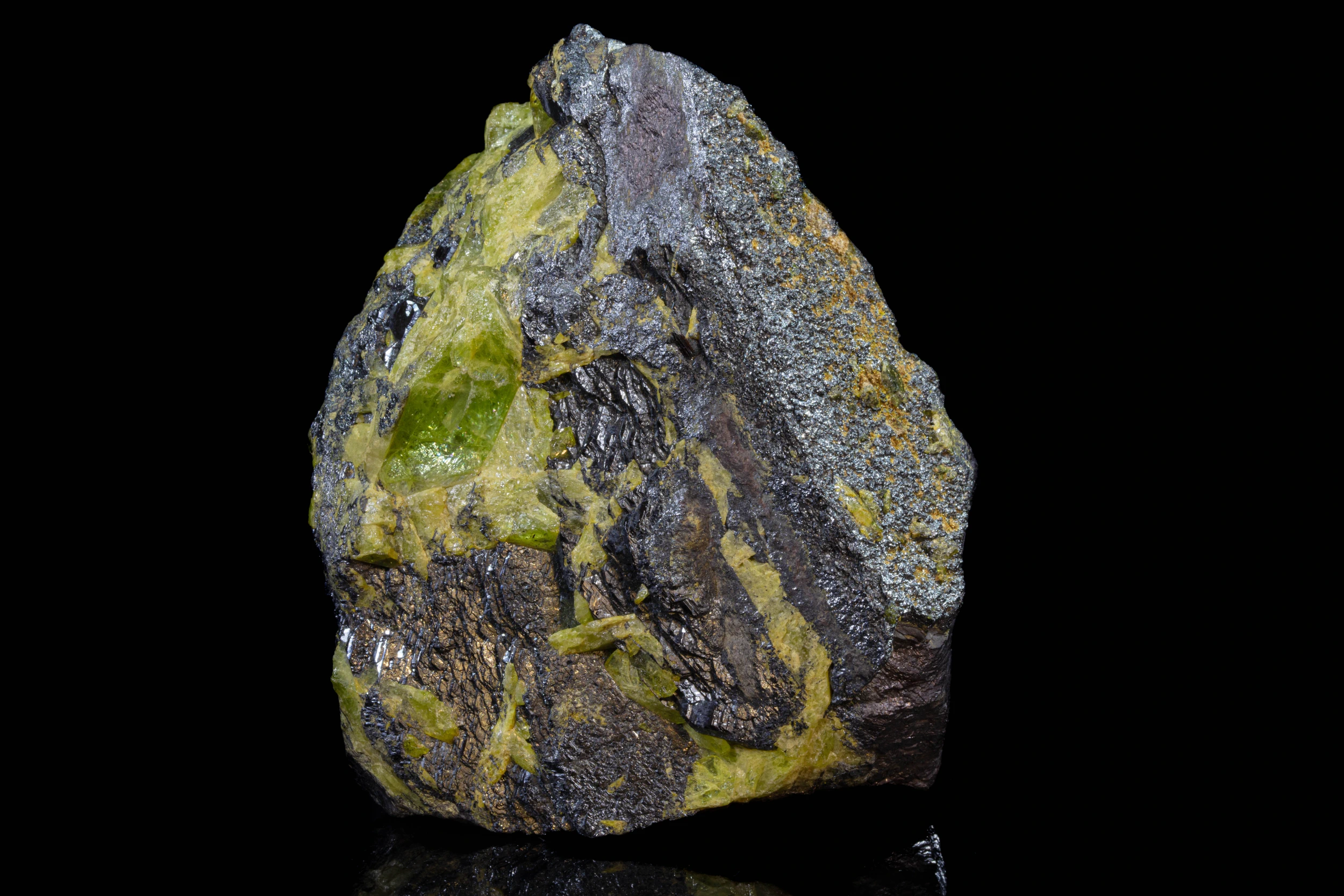
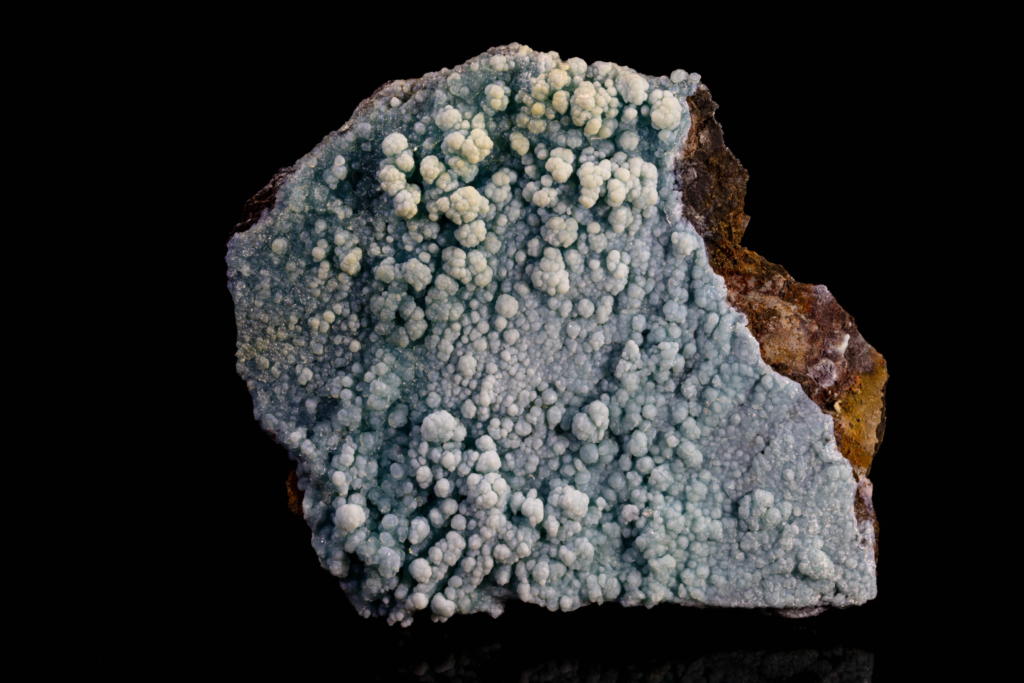
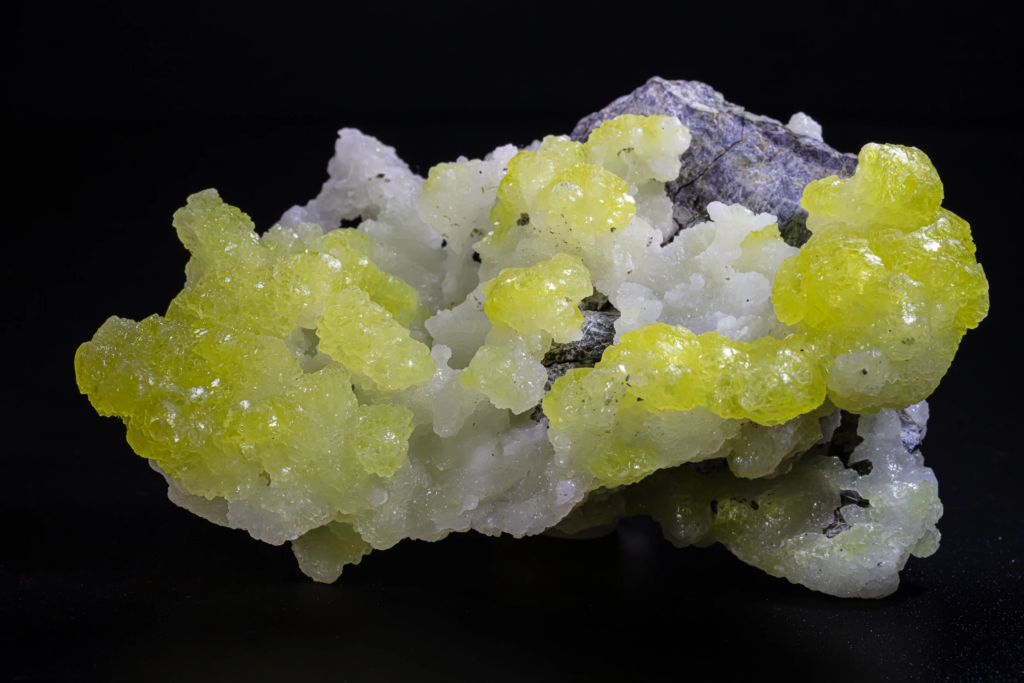
Ilmenite with Titanite

The Specimen

Cabinet: Cabinet (7 - 10 cm) – Size: 9.0 x 7.5 x 3.0 cm Origin: Campo do Boa Mine, Capelinha, Minas Gerais – Brazil History: Ex Paulo Matioli Collection

Notes

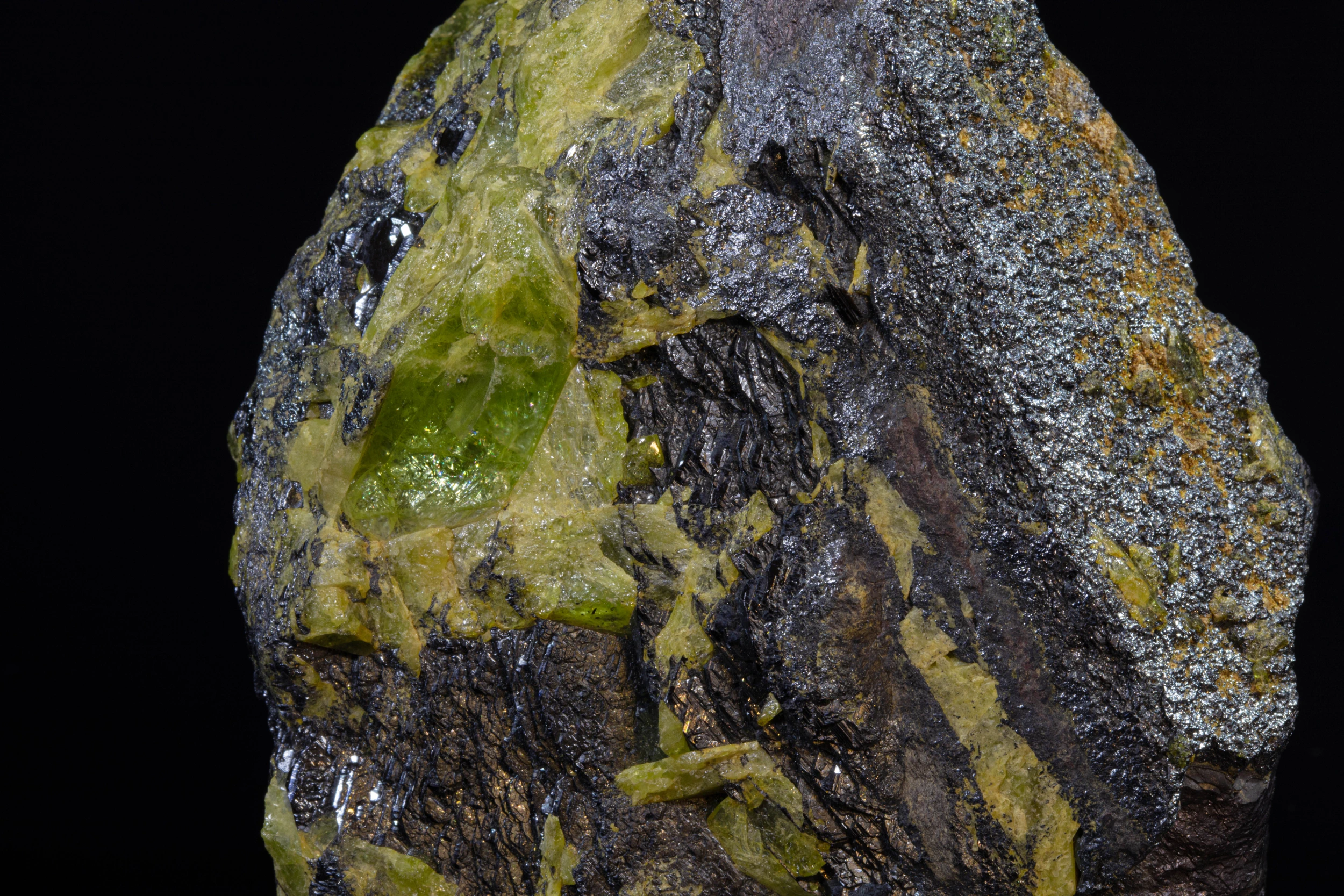
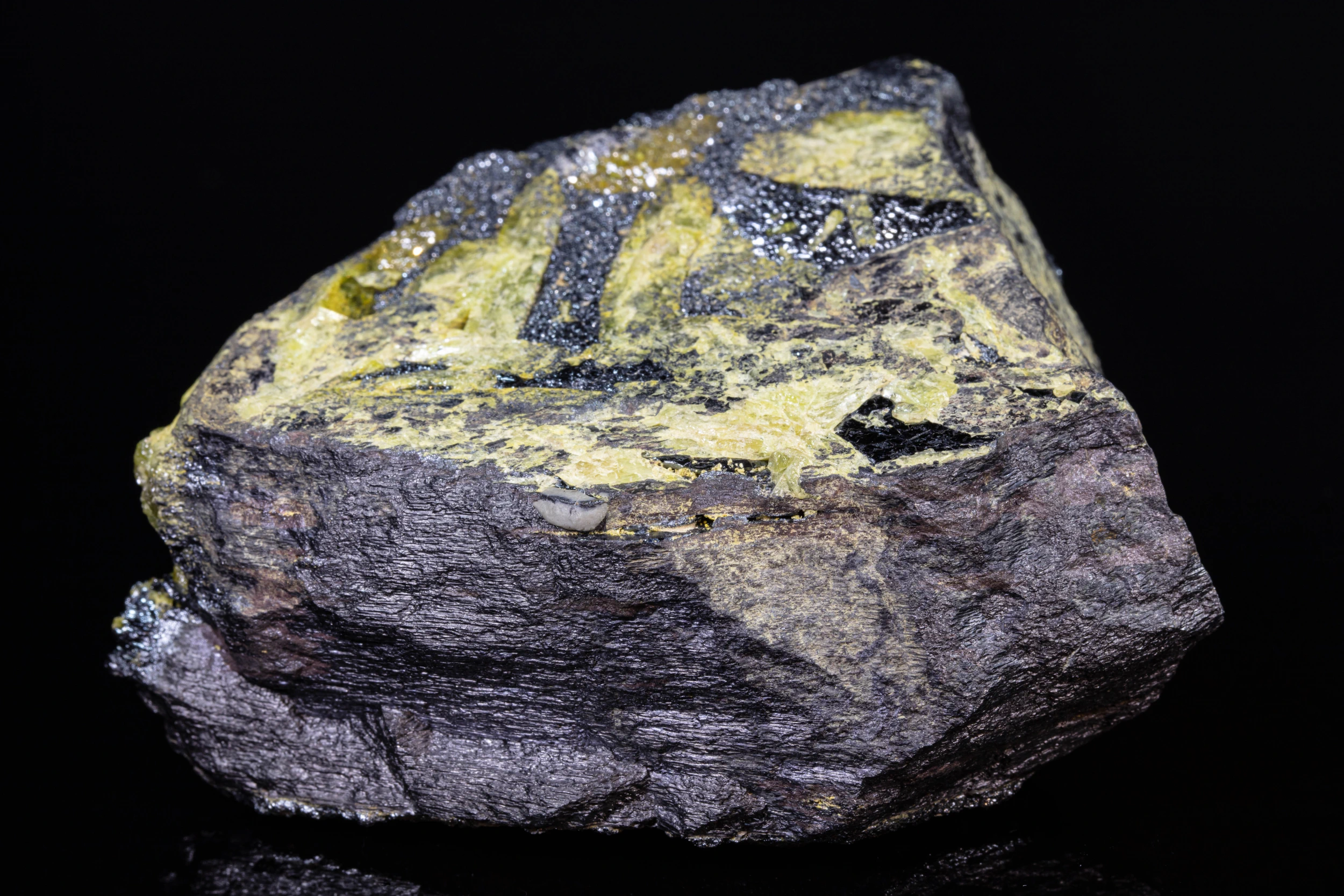
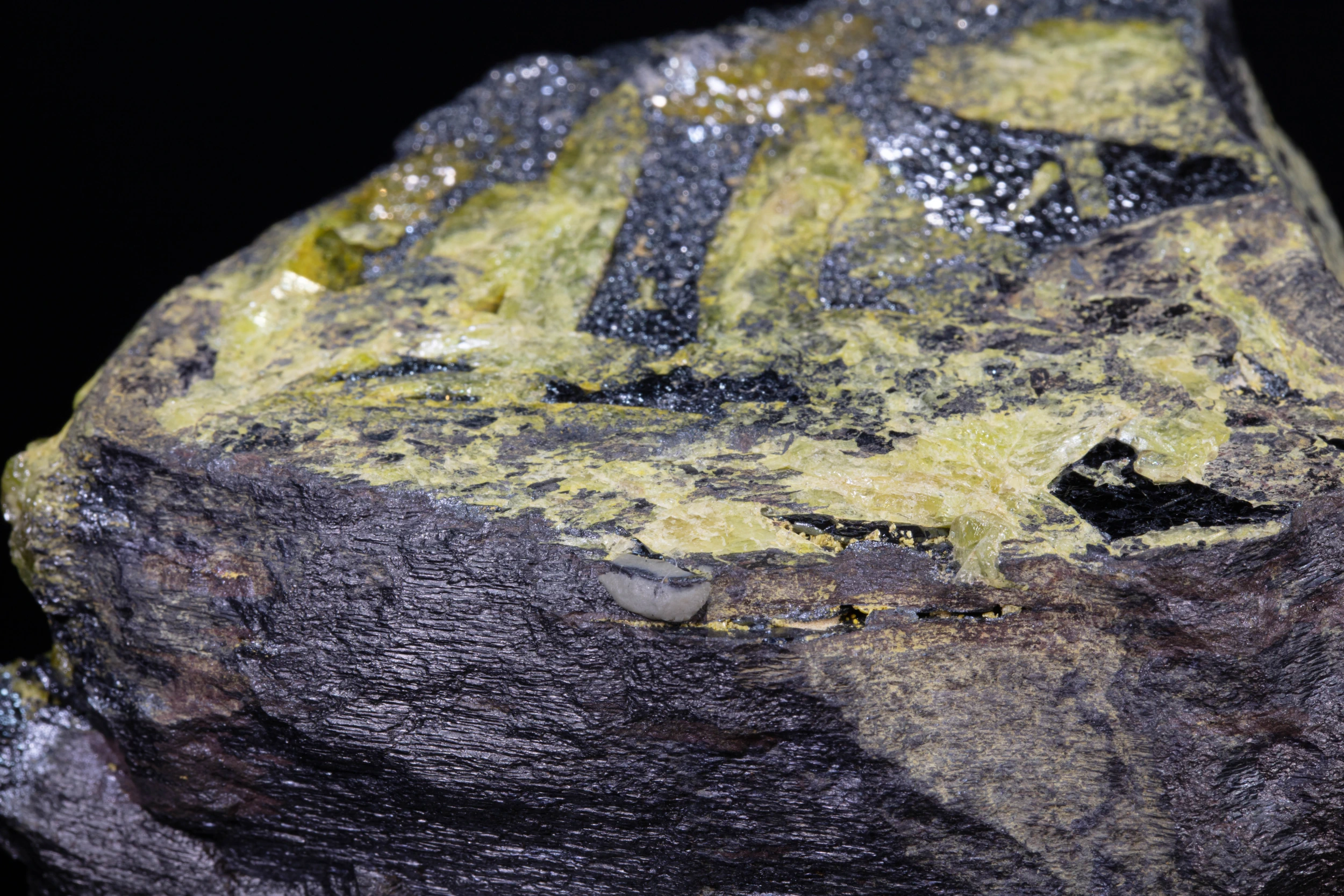
This specimen comes from the Campo do Boa mine, about 19 km northwest of Capelinha in Minas Gerais, Brazil. Around Capelinha, titanite and epidote occur in veins and pockets of feldspar, rich in albite or adularia, within Neoproterozoic metavolcanic rocks. These deposits have been known since the late 1960s and were first found at Campo do Boa. Here, gemmy, translucent lime-green titanite crystals and a pale yellow-green titanite crust rest on a large, silvery-gray crystal of ilmenite, an iron-titanium oxide, and thin black plates are set into the crust. The dealer first took the gray mineral for hematite. Dr. Ricardo Scholz of the Federal University of Ouro Preto later reported finding ilmenite with titanite in a similar-looking sample from the same locality. The piece comes from the collection of Paulo Matioli, a Brazilian collector and museum curator honored by the mineral matioliite, and according to the dealer it may have been self-collected.

Mineral Species

Did you know?

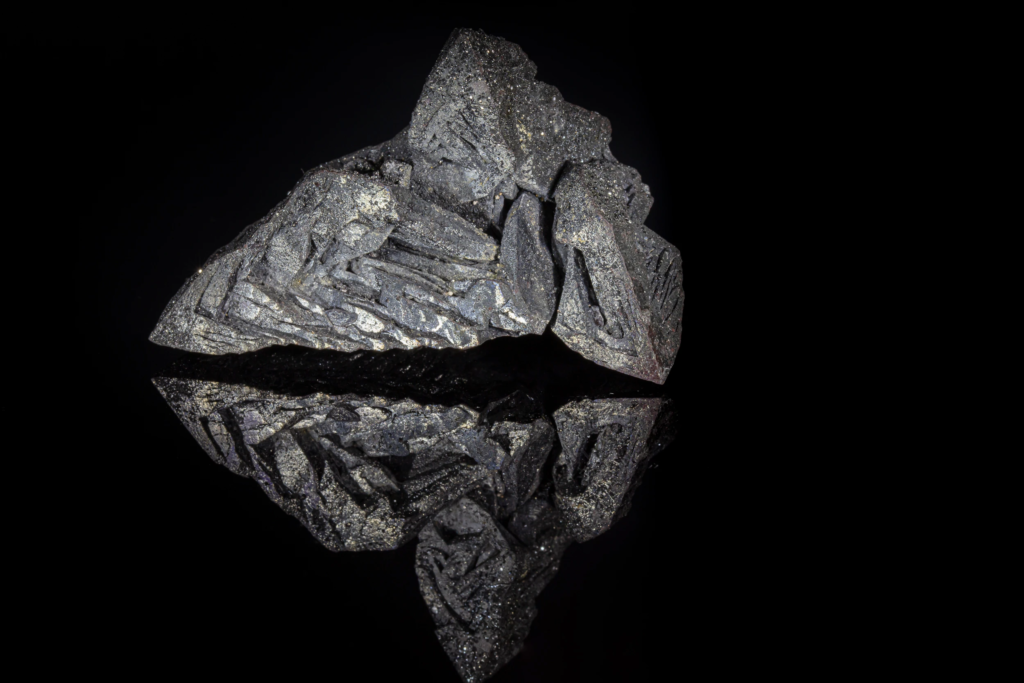
IlmeniteIlmenite is jet black, yet it is the source of the whitest white we know. Refined into titanium dioxide, it becomes the bright pigment in most white paint, and in paper, plastic, sunscreen, and toothpaste. The black stone in your hand is what puts the white in half the objects around you.

TitaniteTitanite breaks light into color better than diamond does. Its dispersion, the measure of that fire, is 0.051 against the 0.044 of diamond. Cut well, it flashes rainbows a diamond cannot match. It is almost never worn, because at hardness 5.5 with easy cleavage it would not survive a week on a hand.